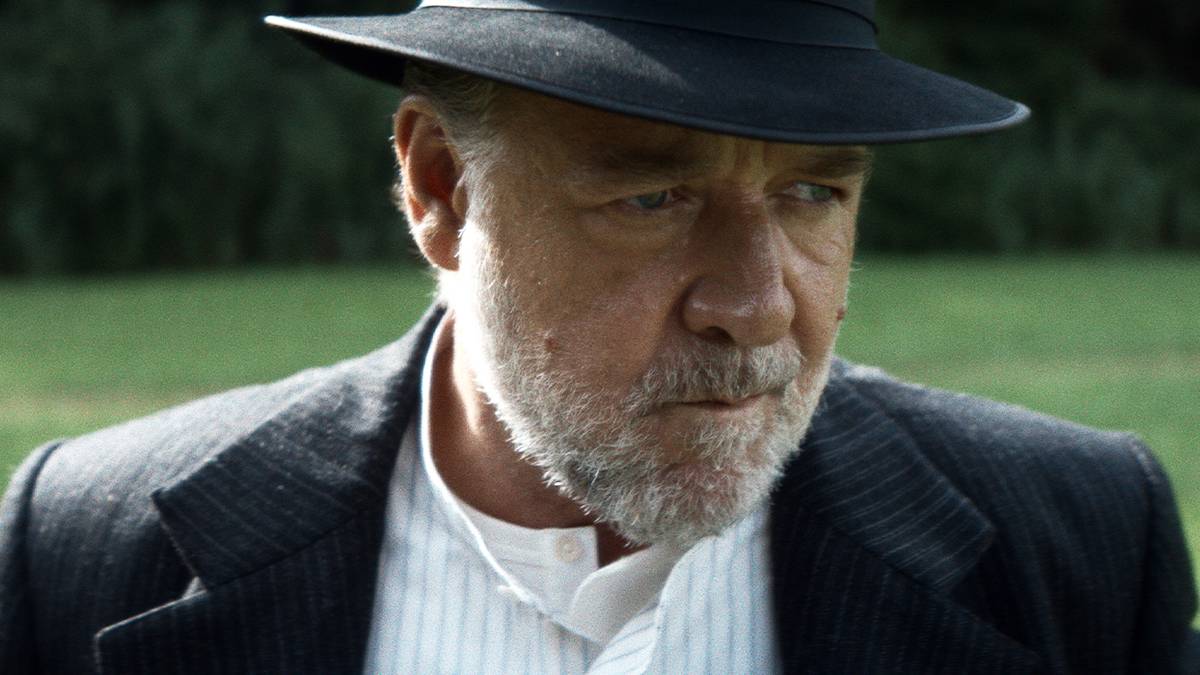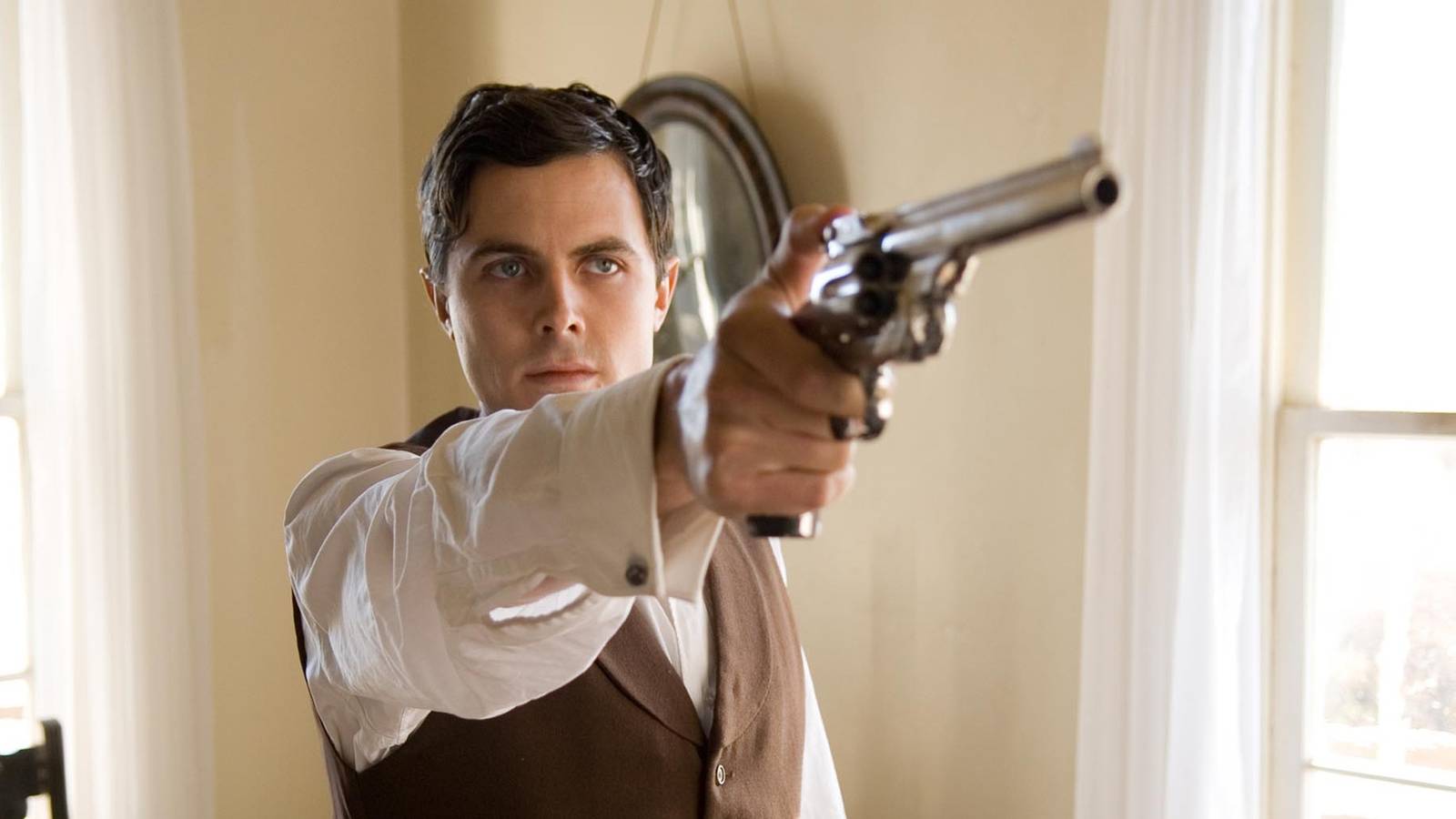
Westerns often get reduced to the same handful of classics, but the genre hides quieter, harsher, stranger films that deserve equal devotion. The R rating allows these five to explore territory cleaner Westerns avoid: family bloodshed, political hatred, sexual danger, revenge, humiliation, and men who cannot escape the violence they helped create. These aren't just good overlooked picks—they feel complete. Every gunshot, pause, betrayal, landscape, and death belongs exactly to the movie around it. They understand the West without sanding it down, proving that a perfect Western can be grand, intimate, brutal, mournful, or painfully still.
'The Long Riders' (1980)
Walter Hill's Jesse James film has one of those casting ideas so good it should have made the movie permanently famous: real sets of acting brothers playing the outlaw families. The Keachs play Jesse and Frank James, the Carradines play the Youngers, the Quaids play the Millers, and the Guests play the Fords. That choice gives the gang an immediate family tension no amount of exposition could fake. You can feel shared history in the way these men look at each other, argue, ride together, and slowly run out of room.
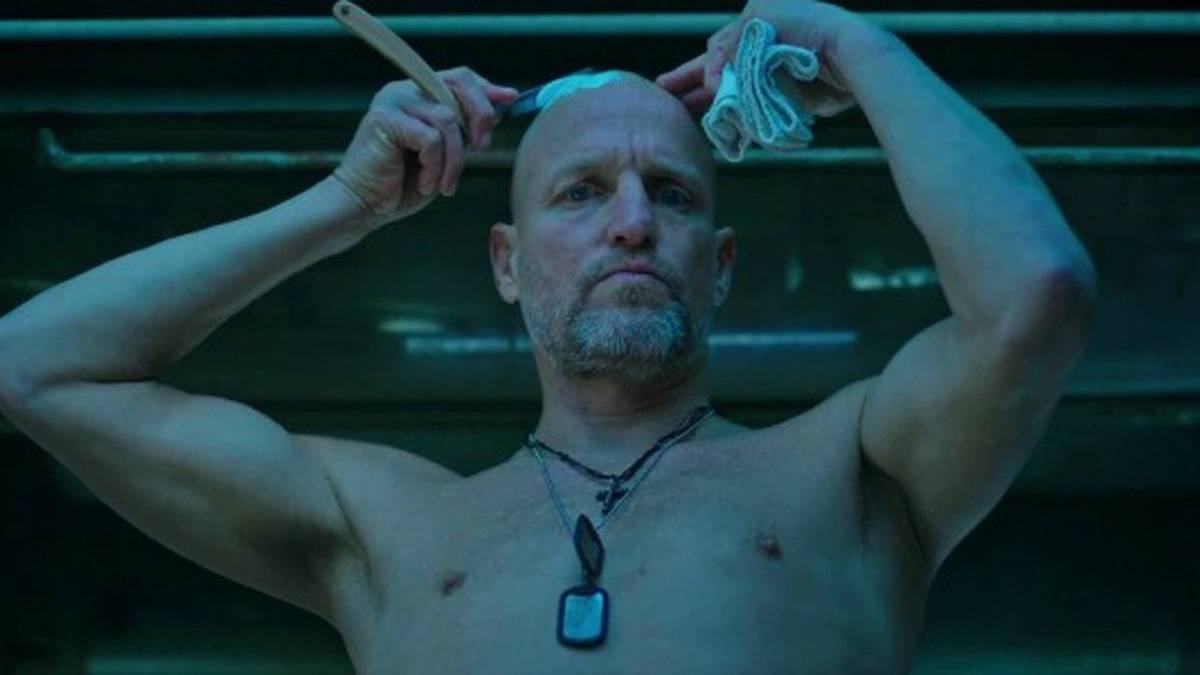
The movie is perfect because it never treats outlaw life as clean legend. The robberies have force, but the costs keep showing up in bodies, marriages, injuries, and fear. The Northfield raid is especially vicious, with the glamour of criminal fame torn away in public. Cole Younger (David Carradine) brings swagger and damage at the same time, while Jesse James (James Keach) keeps a colder danger around him. Ry Cooder's unique music score gives the film a lonely, old American sound without making the violence feel noble. It is lean, beautiful, angry, and still not praised enough.
'Ride with the Devil' (1999)
This is the Ang Lee Western too many people skipped, which is wild because it gives the Civil War border conflict the confusion and emotional weight it deserves. The story follows Jake Roedel (Tobey Maguire), a young Missouri bushwhacker, as he rides with Confederate guerrillas alongside his friend Jack Bull Chiles (Skeet Ulrich) and Daniel Holt (Jeffrey Wright), an enslaved man fighting beside the men connected to his own bondage. That alone gives the film a moral tension most war Westerns would not know how to handle.
The pain of Ride with the Devil comes from how personal the violence feels. Raids are not distant military events; they involve neighbors, families, burned homes, revenge, pride, loyalty, and young men pretending they understand the cause they are killing for. Daniel Holt steadily becomes the film's strongest force. Jake is a confused young man learning that belonging to a side does not mean understanding himself. The movie's patience is the reason it lasts. It lets belief, friendship, racism, grief, and survival sit in the same frame without making any of them easy.
'Slow West' (2015)
A boy crosses the American frontier for love, and the movie understands immediately that this is both romantic and dangerously foolish. Slow West follows Jay Cavendish (Kodi Smit-McPhee) as he travels from Scotland to find Rose Ross (Caren Pistorius), the girl he loves, after she and her father flee to America. He hires Silas Selleck (Michael Fassbender), a bounty hunter who knows far more about the danger surrounding Rose than Jay can handle.
Slow West is short, sharp, and unusually tender. It has gunfights, bounty hunters, sudden deaths, and dry humor, but its real strength is the way innocence keeps colliding with experience. Jay sees the West through feeling. Silas sees it through survival. Payne (Ben Mendelsohn) adds menace without overplaying it, and the final shootout is staged with heartbreaking clarity because every person in that house wants something they cannot safely have. The film never wastes a scene. Its beauty is not decorative and makes the violence feel even more unfair. By the end, Jay's love story has become a lesson he was too young to survive.
'The Proposition' (2005)
Very few Westerns feel this morally exhausted from the first conversation. In the Australian outback, Captain Stanley (Ray Winstone) gives Charlie Burns (Guy Pearce) a brutal choice: kill his older brother Arthur, a wanted outlaw, or watch his younger brother Mikey hang on Christmas Day. That's nuts. Charlie Burns carries a guarded weariness that makes every decision feel heavy from there onward.
Captain Stanley, on the other hand, is trying to impose order, yet his version of order is still built from punishment and force. Martha Stanley (Emily Watson) gives fear, grief, and rage without turning her into a simple victim. Arthur Burns (Danny Huston) is terrifying because he seems beyond ordinary guilt. The film's heat, silence, flies, blood, and sudden cruelty create a Western world where civilization sounds more like a claim than a fact. It is perfect because it never lets anyone escape the moral cost of what they want.
Why These Westerns Matter
These five films prove that the Western genre still hides masterpieces. They are not just good overlooked picks—they feel complete. Every gunshot, pause, betrayal, landscape, and death belongs exactly to the movie around it. They understand the West without sanding it down, and they prove that a perfect Western can be grand, intimate, brutal, mournful, or painfully still. If you're a fan of the genre, you might find this delightful. For more hidden gems, check out our list of Forgotten Time Travel Movies That Are Perfect From Start to Finish or explore Hidden Gems: The Most Underrated Japanese Movies of All Time, Ranked.