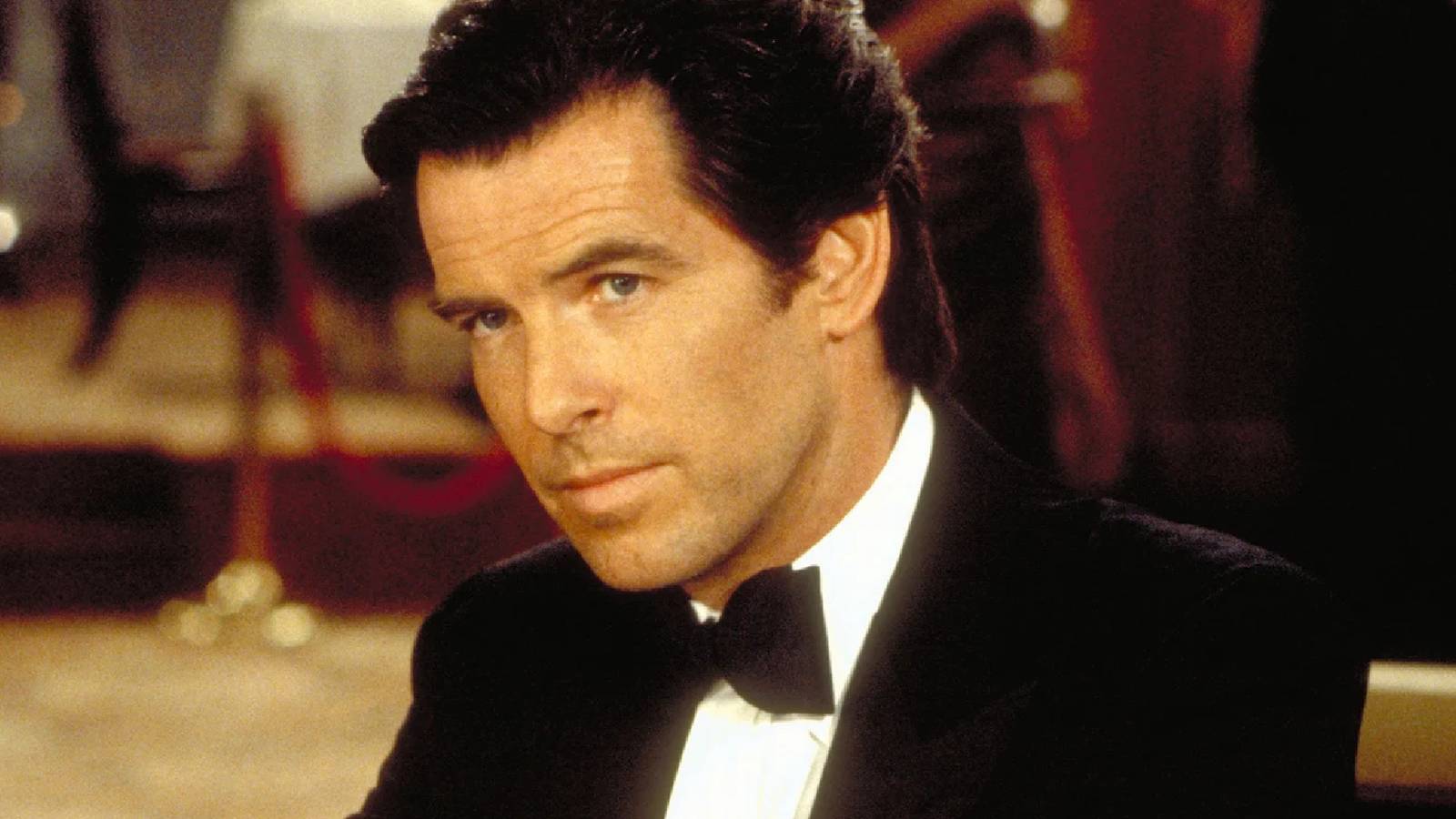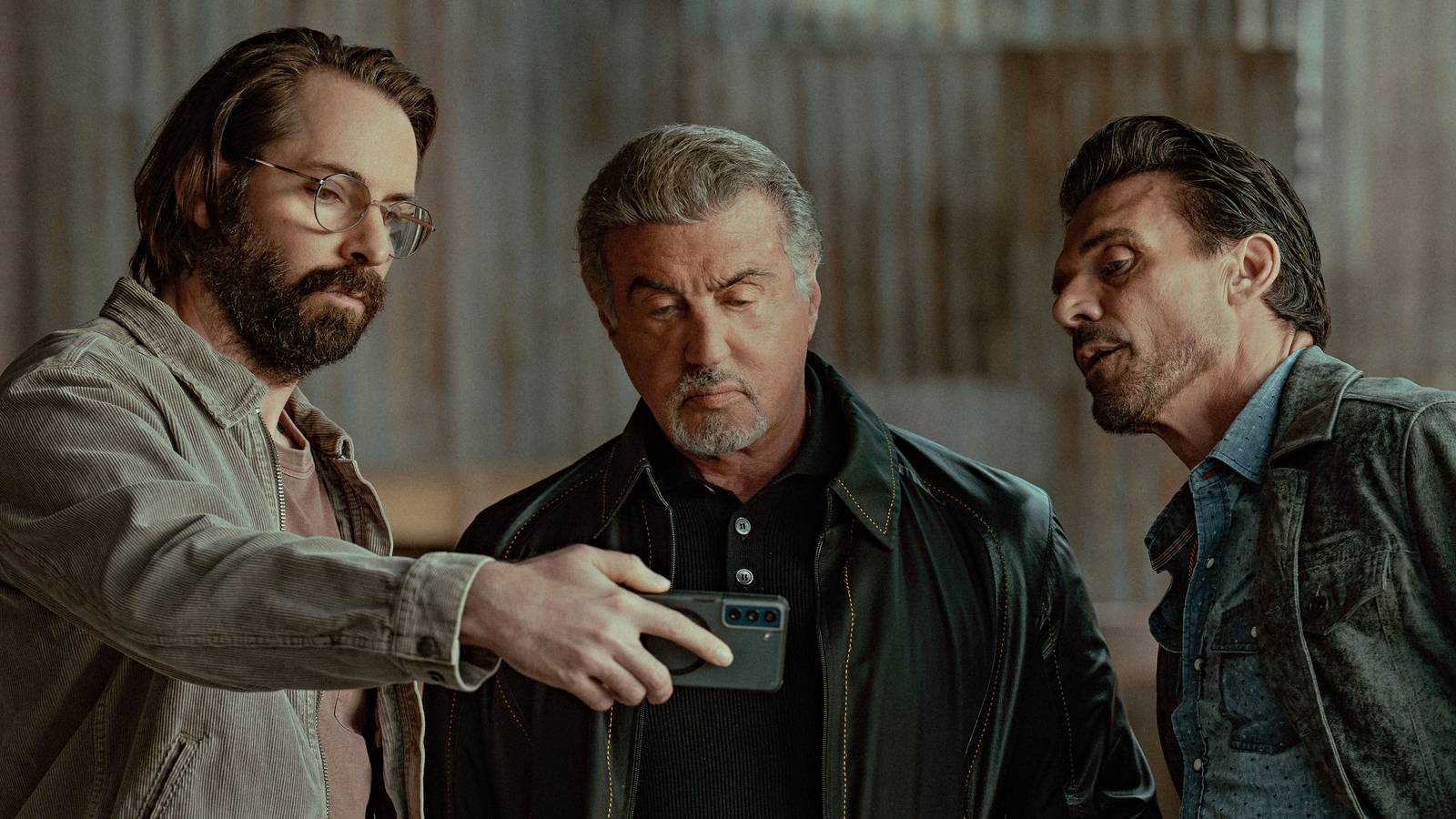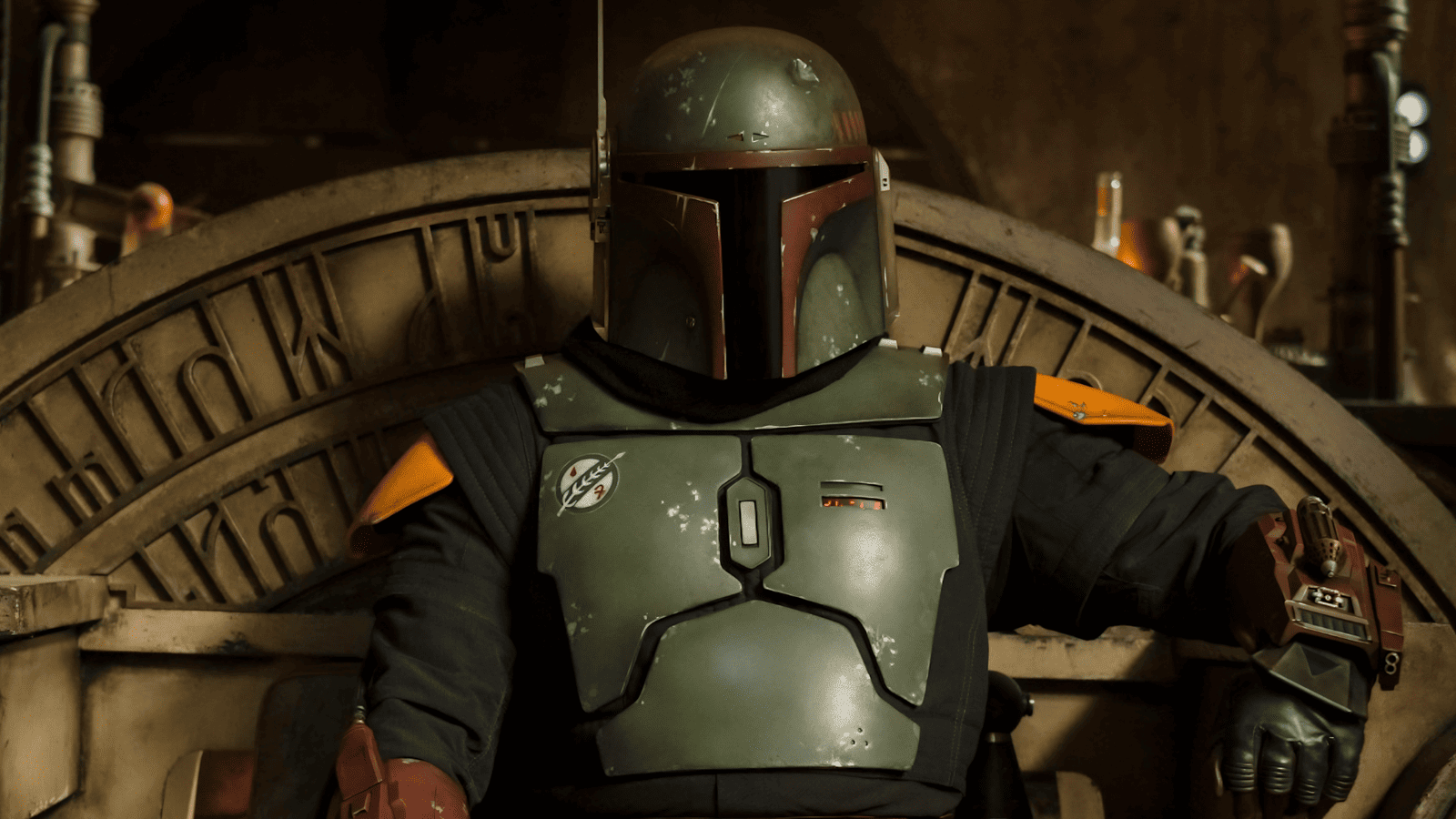
For years, Disney treated streaming as the ultimate destination for blockbuster storytelling. To keep up with the Marvel Cinematic Universe or Star Wars, fans needed more than a movie ticket—they needed a Disney+ subscription, hours of free time, and a willingness to follow an ever-expanding web of interconnected shows. At first, it felt like a revolution. Marvel's biggest characters finally had room to breathe beyond the two-hour movie format, while Star Wars explored corners of its galaxy that had rarely seen live-action. For a while, it worked. But now, that experiment appears to be winding down, and not a moment too soon.
The cancellation of Wonder Man may be the clearest signal yet that Disney is abandoning the strategy that defined both franchises throughout the Disney+ era. Instead of asking audiences to keep up with a constant stream of series, the company is turning its attention back to what built these universes in the first place: the movies. It's a welcome pivot for fans who grew tired of feeling like they were doing homework just to enjoy a blockbuster.
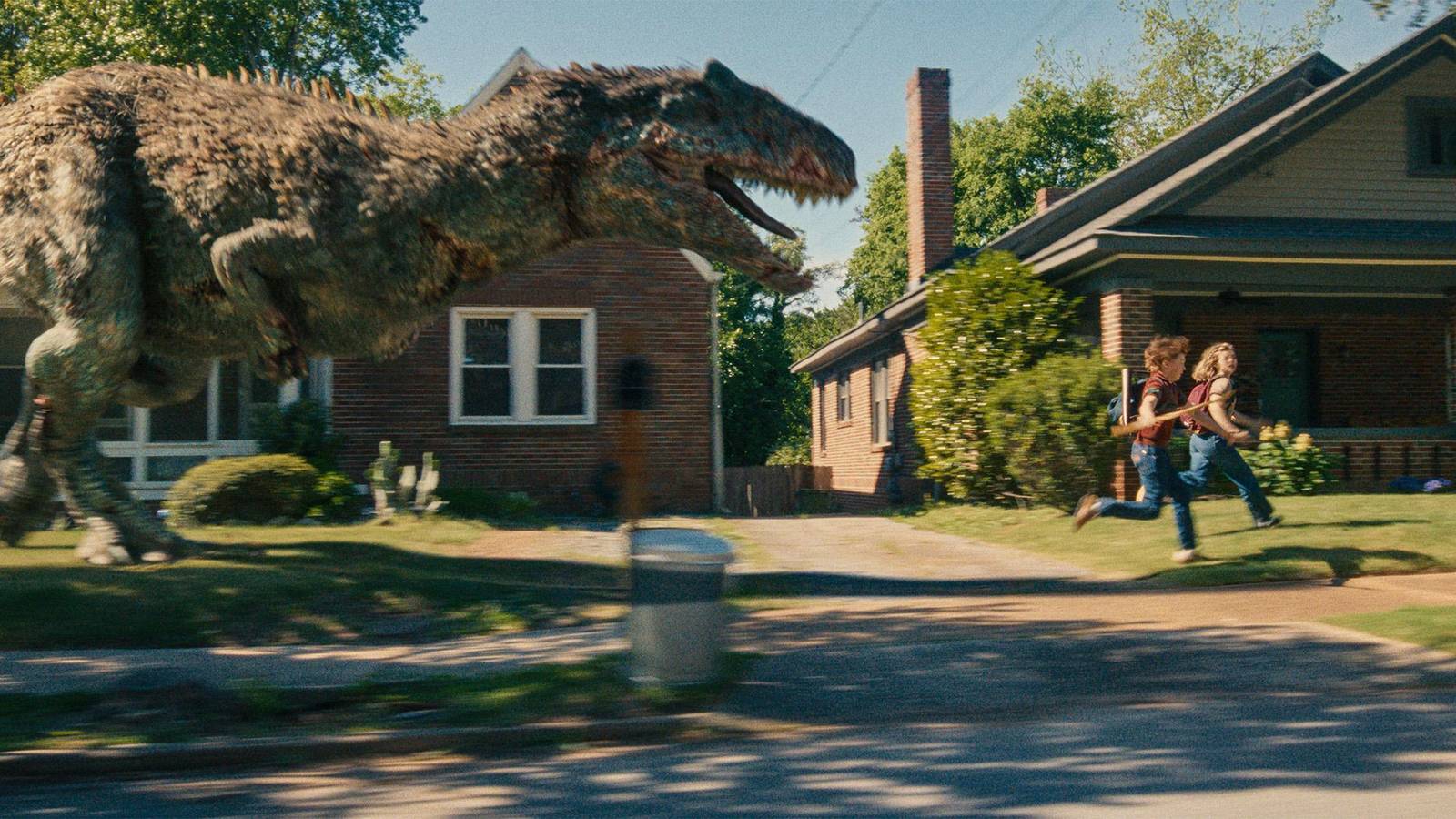
Disney+ Changed Marvel and Star Wars Forever—for Better and Worse
It's easy to forget how exciting Disney+'s launch felt. Marvel kicked things off with WandaVision, a genuinely bold experiment that used sitcom history to explore grief in ways a movie never could. Loki expanded the MCU's mythology and introduced the Multiverse Saga's biggest concepts, while Tom Hiddleston's God of Mischief became richer than he ever was on the big screen. Star Wars had its own transformative moment with The Mandalorian, which turned Din Djarin and Grogu into cultural phenomena overnight. Later, Andor raised the bar even higher, delivering one of the franchise's most mature, politically charged stories to date.
These weren't side adventures—they were some of the strongest projects either franchise had produced in years. The problem wasn't quality; it was quantity. Once Disney committed to feeding its streaming service, Marvel and Star Wars stopped feeling like special events and started feeling like obligations. Every year brought another wave of interconnected series, each introducing new characters, expanding mythology, or laying groundwork for future stories. Marvel alone released The Falcon and the Winter Soldier, Hawkeye, Moon Knight, Ms. Marvel, She-Hulk: Attorney at Law, Secret Invasion, Echo, Agatha All Along, Ironheart, and more in rapid succession. Star Wars followed with The Book of Boba Fett, Obi-Wan Kenobi, Ahsoka, The Acolyte, Skeleton Crew, and additional seasons of existing shows. Some were excellent; some were deeply divisive. Collectively, they created a problem neither franchise had faced before.
The MCU Started Feeling Like Homework
Marvel fans coined that phrase years ago, but it only became more accurate over time. Keeping up with the MCU started to feel like a chore. A character could vanish from theaters for years before reappearing after eight episodes of television. Emotional beats established on Disney+ suddenly mattered in theatrical releases, while new heroes were introduced in shows many casual audiences never watched. For dedicated fans, that interconnected storytelling remained part of the appeal, but for everyone else, it became exhausting. The MCU had always rewarded investment, but it started to demand it.
Star Wars wasn't as interconnected, but it faced a different version of the same problem: Disney+ turned the franchise into a constant presence rather than an event. New series arrived every few months, and while Andor earned widespread acclaim, projects like The Book of Boba Fett and The Acolyte sharply divided audiences. Instead of every release feeling essential, many began competing with one another for attention. Oversaturation became synonymous with both Marvel and Star Wars.
Disney's Future Is Starting to Look Much Simpler
That makes the current slate especially telling. With Wonder Man no longer moving forward, Marvel has remarkably few live-action TV projects still standing. What remains are series that were already in motion before Disney began tightening its spending and restructuring Marvel Television: VisionQuest, Daredevil: Born Again Season 3, and Ahsoka Season 2 on the Star Wars side—all projects that feel like the conclusion of a streaming wave. Meanwhile, Disney's biggest investments are once again theatrical. Marvel's future revolves around Avengers: Doomsday and Avengers: Secret Wars, movies designed to reunite audiences for massive shared cinematic events. Spider-Man continues to anchor the street-level corner of the MCU on the big screen with Spider-Man: Brand New Day, while the X-Men are finally beginning to emerge as Marvel Studios' next major theatrical priority. Star Wars is following the same blueprint. Rather than announcing endless Disney+ expansions, Lucasfilm's attention has shifted toward movies like Star Wars: Starfighter, signaling that theatrical releases are once again expected to define the franchise's future, with several more big-screen projects on the way.
This doesn't mean Disney+ is disappearing from either universe, but television is no longer carrying the weight of both. And honestly, that's probably healthier for everyone involved. Streaming gave Marvel and Star Wars some of their best stories in years and demonstrated that serialized storytelling could reveal sides of these universes movies simply couldn't. But the pendulum had swung too far. By pulling back, Disney is acknowledging that the magic of these franchises lies in the shared experience of the theater—not in the endless scroll of a streaming queue. As the company refocuses on the big screen, fans can look forward to a future where Marvel and Star Wars feel like events again, not obligations.