Epic cinema has a way of commanding attention. When done right, it delivers stories of immense scale and emotional weight that linger long after the credits roll. Classics like Lawrence of Arabia, The Godfather, and Braveheart are often celebrated as the genre's crowning achievements, but they're far from the only ones. Over the decades, many remarkable epics have slipped through the cracks, overshadowed by their more famous peers or simply lost to time.
From sweeping historical dramas to ambitious fantasy sagas, these forgotten gems are perfect from start to finish. They showcase the full range of what epic cinema can achieve—stunning visuals, powerful performances, and stories that resonate across generations. Here are ten such films that deserve a second look.
Children of Paradise (1945)
Set in the theatrical world of 1840s Paris, Children of Paradise is a sweeping romance that follows the beautiful Garance (Arletty) and her tangled relationships with four very different men—a mime, an actor, an aristocrat, and a thief. At nearly three hours, it's a grand exploration of love, ambition, and the compromises we make for survival.
While its pacing may feel dated to modern viewers, the film's technical brilliance and emotional depth are undeniable. Once the story gains momentum, it becomes a poignant meditation on desire and sacrifice. The performances are superb, and the writing is sharp, making it a masterpiece of French cinema that deserves far more recognition.
Excalibur (1981)
John Boorman's Excalibur is a visually stunning retelling of the Arthurian legend, drenched in surreal lighting and set against the lush landscapes of Ireland. It's a bold, stylized take on the myth, focusing on the darker aspects of the hero's journey.
Though it occasionally rushes through the sprawling story, the film's sheer visual and musical power more than compensates. With a cast of future stars, including Liam Neeson and Patrick Stewart, Excalibur remains a breathtaking fantasy epic that looks even more impressive today than it did in 1981.
Reds (1981)
Warren Beatty's Reds is a sweeping romantic drama set against the backdrop of the Russian Revolution. Beatty stars as journalist John Reed, who falls for feminist writer Louise Bryant (Diane Keaton) while both are caught up in the political turmoil of the 1910s.
The film masterfully balances intimate romance with the grand sweep of history, touching on everything from women's suffrage to the rise of communism. Its documentary-style realism and powerful performances make it a unique entry in the epic genre. Despite winning an Oscar, Reds has been largely forgotten, but it remains a stirring and thought-provoking triumph.
The Man Who Would Be King (1975)
Based on Rudyard Kipling's short story, The Man Who Would Be King stars Sean Connery and Michael Caine as two British soldiers in 1880s India who set out to conquer the remote region of Kafiristan. Their plan goes surprisingly well until one of them is worshipped as a god, leading to their downfall.
This film works on multiple levels: it's a thrilling adventure, a sharp critique of imperialism, and a darkly comic tale of hubris. John Huston's direction is impeccable, and the chemistry between Connery and Caine is electric. It's a timeless classic that deserves a place alongside the genre's best.
It's a Mad, Mad, Mad, Mad World (1963)
Epic comedies are rare, but It's a Mad, Mad, Mad, Mad World is a glorious exception. This sprawling, star-studded comedy follows a group of strangers who race across California to find a buried fortune after a dying man tells them about it.
The film is a nonstop barrage of slapstick and witty banter, featuring an ensemble cast that includes Spencer Tracy, Milton Berle, and Sid Caesar. It's a massive undertaking that pays off with relentless laughs and a sense of pure joy. This forgotten gem is a testament to the power of comedy done on a grand scale.
Die Nibelungen (1924)
Fritz Lang's silent epic Die Nibelungen is a two-part saga based on Germanic mythology. It tells the story of Siegfried, a hero who slays a dragon and wins the hand of a princess, only to be betrayed and murdered. The second part follows his widow's quest for revenge.
This film is a monumental achievement of silent cinema, with stunning set designs and groundbreaking special effects that still impress today. It's a dark, operatic tale that influenced countless fantasy films that followed. For those willing to embrace its age, Die Nibelungen is a cinematic treasure.
The Last of the Mohicans (1992)
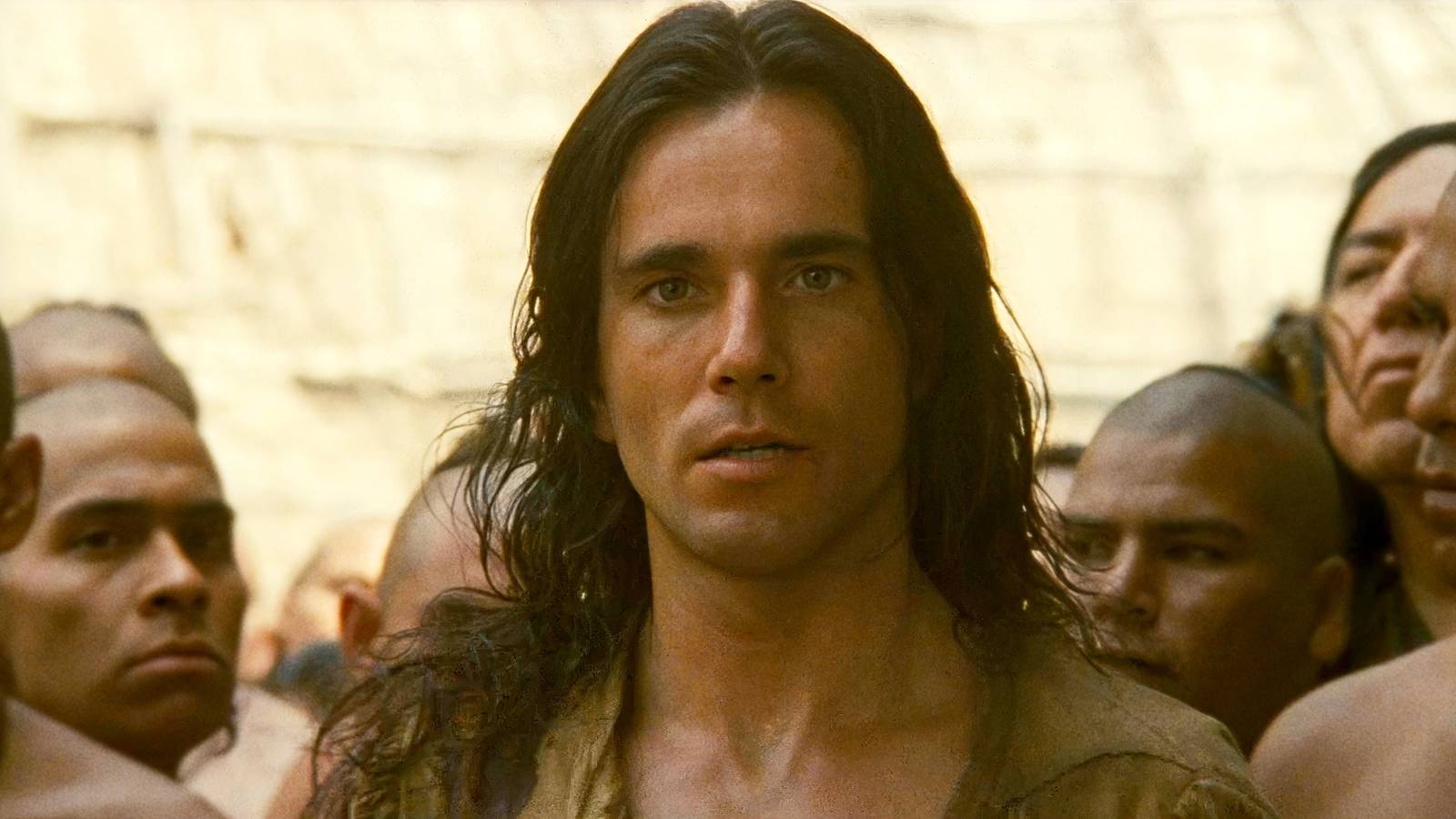
Michael Mann's The Last of the Mohicans is a breathtaking historical epic set during the French and Indian War. Daniel Day-Lewis stars as Hawkeye, a white man raised by Mohicans, who falls in love with a British colonel's daughter (Madeleine Stowe) amidst the chaos of war.
The film is renowned for its stunning cinematography, thrilling action sequences, and a haunting score. It's a perfect blend of romance and adventure, with Day-Lewis delivering a career-defining performance. Despite its critical acclaim, it's often overlooked in discussions of great epics, but it remains a flawless piece of filmmaking.
Heaven's Gate (1980)
Michael Cimino's Heaven's Gate is a notorious box-office flop that has since been reevaluated as a masterpiece. The film is a sprawling Western about the Johnson County War, a conflict between wealthy cattle barons and immigrant settlers in 1890s Wyoming.
With its epic length and meticulous attention to detail, Heaven's Gate is a visually stunning and thematically rich film. It's a somber, elegiac look at the American frontier, featuring powerful performances from Kris Kristofferson and Christopher Walken. Though it nearly destroyed United Artists, it's now considered a flawed but brilliant work of art.
Gone with the Wind (1939)
While not exactly forgotten, Gone with the Wind is often dismissed due to its problematic portrayal of the Civil War-era South. Yet, as a piece of epic filmmaking, it remains a towering achievement. The film follows Scarlett O'Hara (Vivien Leigh) as she navigates love, loss, and survival during the war and Reconstruction.
Its sweeping scope, lavish production, and iconic performances make it a landmark of cinema. Despite its controversies, it's a film that continues to be studied and debated. For those who can separate the art from its flaws, it's an unforgettable epic.
Doctor Zhivago (1965)
David Lean's Doctor Zhivago is a romantic epic set against the Russian Revolution. Omar Sharif stars as the titular doctor and poet, who becomes entangled in a love triangle while the world around him crumbles.
The film is a visual feast, with stunning winter landscapes and a memorable score. It's a sweeping, tragic tale of love and survival that captures the turmoil of an era. Though it's often overshadowed by Lean's other masterpiece, Lawrence of Arabia, Doctor Zhivago is a magnificent film in its own right.
These forgotten epics prove that the genre is far richer than its most famous examples. Each one offers a unique vision and a flawless execution that deserves to be rediscovered. So, the next time you're looking for a cinematic journey, consider one of these hidden gems.