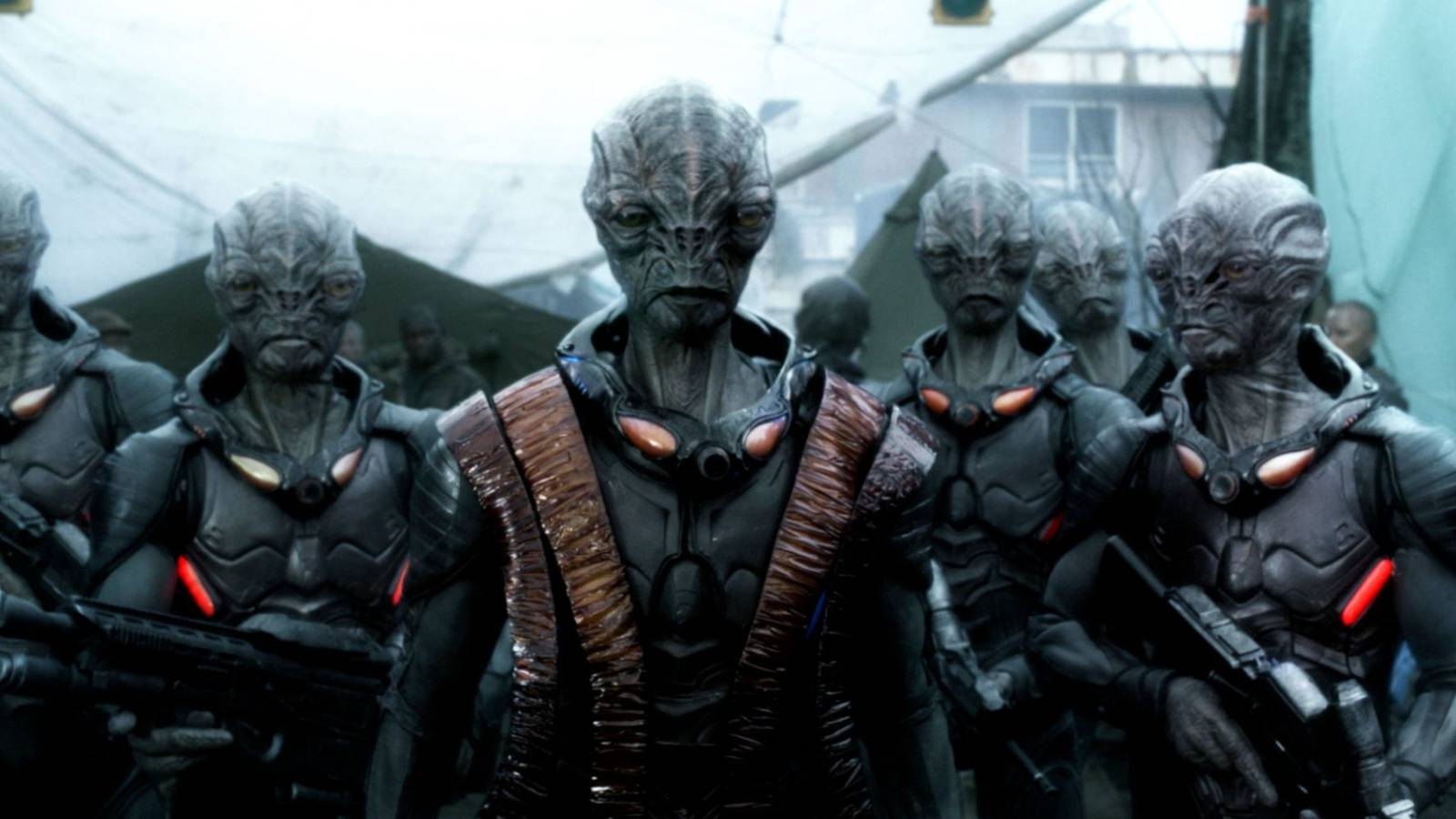
In the summer of 2011, a cable television event captured the attention of nearly 6 million viewers on its opening night. That show was Falling Skies, a post-apocalyptic sci-fi drama executive produced by Steven Spielberg and created by Robert Rodat. Despite that massive debut, the series often gets overlooked in conversations about defining science fiction of the last decade. It's time to revisit this ambitious alien invasion story that told a complete tale from beginning to end.
What Is Falling Skies About?
The series begins after the worst has already happened. Earth has been conquered by a mysterious alien force, civilization has collapsed, and most of humanity has been wiped out. We follow Tom Mason (Noah Wyle), a former history professor who now leads a ragtag civilian militia known as the 2nd Massachusetts. Unlike typical action heroes, Tom's greatest weapon isn't brute strength or advanced firepower—it's his knowledge of history and strategy, which he must desperately apply to a war with no rulebook.
The show excels at depicting the grueling day-to-day reality of survival. Scavenging for food and supplies, navigating internal conflicts over leadership, and carrying the emotional weight of constant loss are as central to the narrative as the alien threat itself. That threat takes a particularly chilling form: the invaders capture human children and attach biomechanical harnesses to them, turning the young into puppets of the enemy.
Why It Found Its Stride
While the first season establishes a familiar post-apocalyptic landscape, Falling Skies truly finds its voice as it expands its universe. The scope of the story widens significantly, revealing that the aliens on Earth are part of a much larger intergalactic conflict and hierarchy. New factions emerge, alliances prove fragile, and the stakes escalate in a way that feels organic rather than forced.
Noah Wyle's grounded performance is the anchor. He portrays Tom as a perpetually exhausted but determined leader, making his authority feel earned through struggle rather than bestowed by plot necessity. The show maintains a compelling balance between the immediate fight for survival and the unraveling mystery of why the invasion happened in the first place.
A Satisfying Conclusion in an Era of Overextension
Many genre series struggle to stick the landing, but Falling Skies delivers a focused and purposeful final season. The narrative converges on a direct confrontation with the true power behind the invasion, avoiding the common pitfall of stretching a story beyond its natural lifespan. The resolution is built on sacrifice and consequence, staying true to the show's gritty, hard-won tone from the start. In a poignant final character beat, Tom Mason is offered a role in rebuilding the world—and turns it down, a quiet, powerful choice that feels authentic after years of relentless warfare.
That initial audience of 6 million viewers is even more impressive in retrospect, marking one of cable's biggest launches that year. The series benefited from a weekly release model, allowing storylines and characters to breathe and develop. Its five-season run now feels like a virtue—a complete story arc without unnecessary filler, unlike many contemporary shows that overstay their welcome. For fans of tightly plotted narratives, it shares the satisfying completeness of series featured in our list of TV shows that perfected the single-season format.
Why You Should Watch It Now
Today, Falling Skies is more accessible than ever, available for a convenient binge on major streaming platforms. The pacing is consistent, and once the show hits its stride in later seasons, it moves with clear intention. It successfully blends large-scale sci-fi elements—alien designs, galactic politics, evolving mythology—with a strong, character-driven human story about resilience and leadership under impossible pressure.
In an age where great sci-fi is always in demand, this Spielberg-produced series stands as a compelling, finished chapter. It’s the perfect watch for those who appreciate a story that knows where it's going and delivers a definitive ending. If you're looking for another gripping, binge-ready drama after this, consider the corporate thriller Lessons in Chemistry on Apple TV+. For more flawless genre storytelling, explore our ranking of HBO's most perfect shows of the decade. Falling Skies told its full story and ended on its own terms, making it a hidden gem that's arguably more impressive now than during its original run.