MGM+'s epic Western series Billy the Kid has concluded its three-season run, leaving fans with a dramatic, fictionalized finale far removed from the historical record. While creator Michael Hirst is known for blending fact with compelling drama, the show made significant alterations to the life of Henry McCarty, better known as Billy the Kid. For history buffs and casual viewers alike, here’s a breakdown of the most notable changes the series made to the true story of the American frontier's most infamous gunslinger.
Billy's Family Saga Was Reimagined
The series opens with a tragic origin story: young Billy's father commits suicide on the trail west, his mother remarries a cruel man, and his brother Joe dies young, all shaping Billy's path to outlawry. In reality, the McCarty family's journey was different. Billy's mother, Catherine (not Kathleen), did remarry William Antrim after moving west, but she died of tuberculosis, after which Antrim largely abandoned the boys. Contrary to the show's heartbreaking narrative, Billy's brother Joe actually outlived him by decades, passing away in 1930.

Fictional Foes and Altered Alliances
One of the show's central antagonists, Thomas Catron, and his fictional daughter Emily Walz, provided a powerful narrative engine. While Catron was a real political force opposed to Billy's faction during the Lincoln County War, there's no evidence he and the Kid ever directly interacted, and he certainly didn't have a daughter named Emily. The character was an invention, though the Walz surname was borrowed from Catron's real-life wife.
The series also took liberties with Billy's allies. English rancher John Tunstall, whose murder sparks the war, is portrayed as an older man. In truth, Tunstall was only in his mid-20s when he was killed. Furthermore, while the show positions Billy as the leader of the Regulators—the posse formed to avenge Tunstall—the real group was initially led by foreman Dick Brewer. Leadership later passed to others who don't even appear in the series, like Frank McNabb and Doc Scurlock.
Dramatic License for a Better Story
These changes highlight a common practice in historical drama: streamlining and inventing characters to heighten conflict and emotional stakes. Creating a personal vendetta with a powerful figure like Catron gives Billy a clear, ongoing nemesis. Consolidating the Regulators' leadership under Billy simplifies the narrative for viewers, making him the undeniable central figure of the conflict. It’s a tactic seen in other binge-worthy series that prioritize gripping storytelling over strict accuracy.
This approach to blending fact and fiction isn't unique to the Western genre. From the musical embellishments in concept albums that mastered storytelling to the heightened drama of historical films, creators often reshape reality to connect with a modern audience. The goal is to capture the spirit of the era and the essence of the characters, even if the specific details get a Hollywood makeover.
Why the Changes Matter
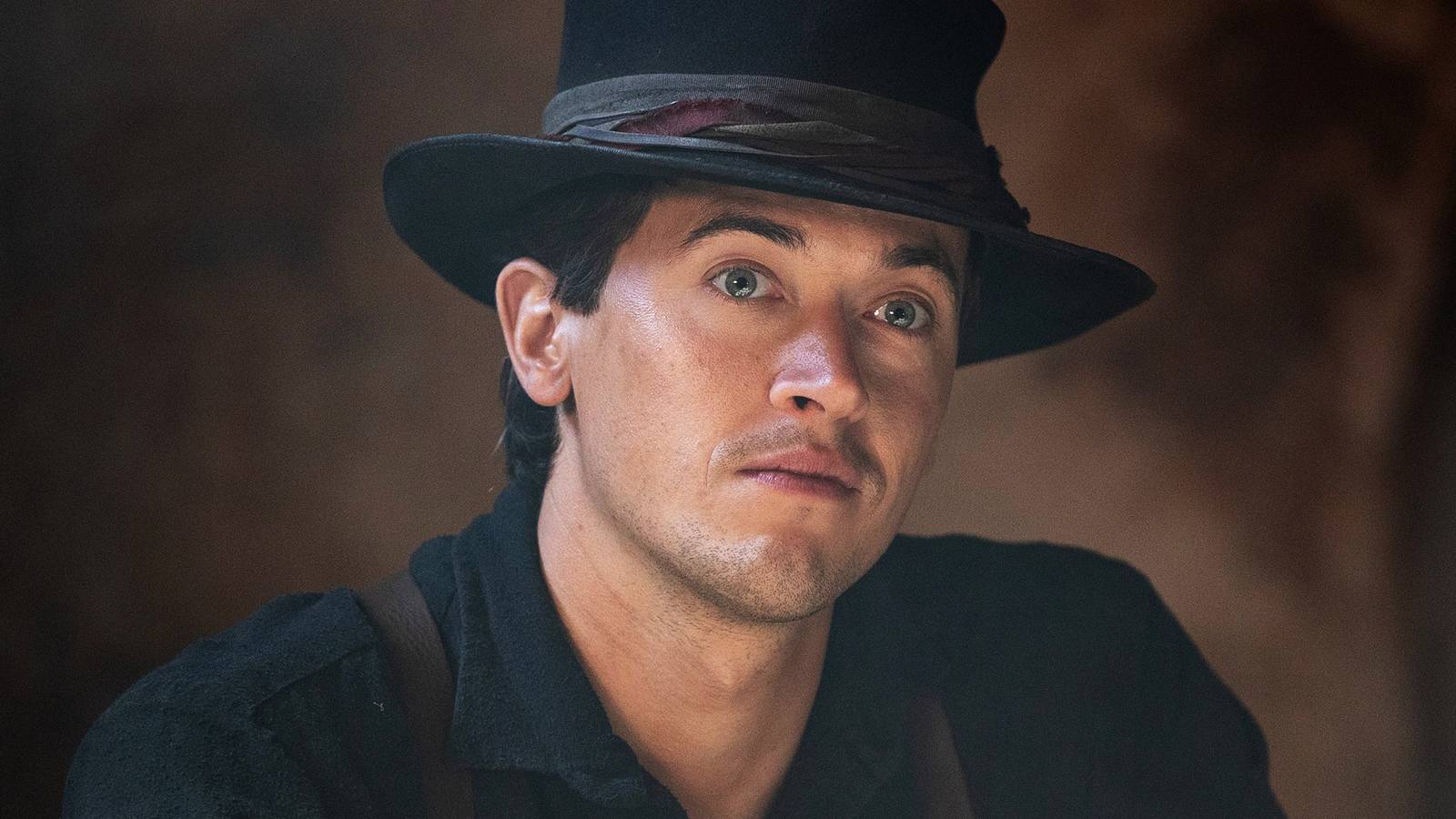
Understanding these divergences enriches the viewing experience. It allows us to appreciate Tom Blyth's compelling performance as a dramatic character inspired by history, while separately valuing the complex, often murky true story of the American West. Shows like Billy the Kid serve as a gateway, sparking interest in the real figures and events that shaped a nation. They remind us that sometimes, the most heart-pounding stories are those rooted in the unpredictable chaos of real life, even if they need a little narrative polish for the screen.
Ultimately, MGM+'s series stands as a testament to the enduring legend of Billy the Kid, a figure whose myth has always been larger than life. The show's creative choices, from reinvented relationships to consolidated conflicts, ensure his story continues to captivate audiences, proving that a good tale—whether entirely true or expertly embellished—is always in demand.