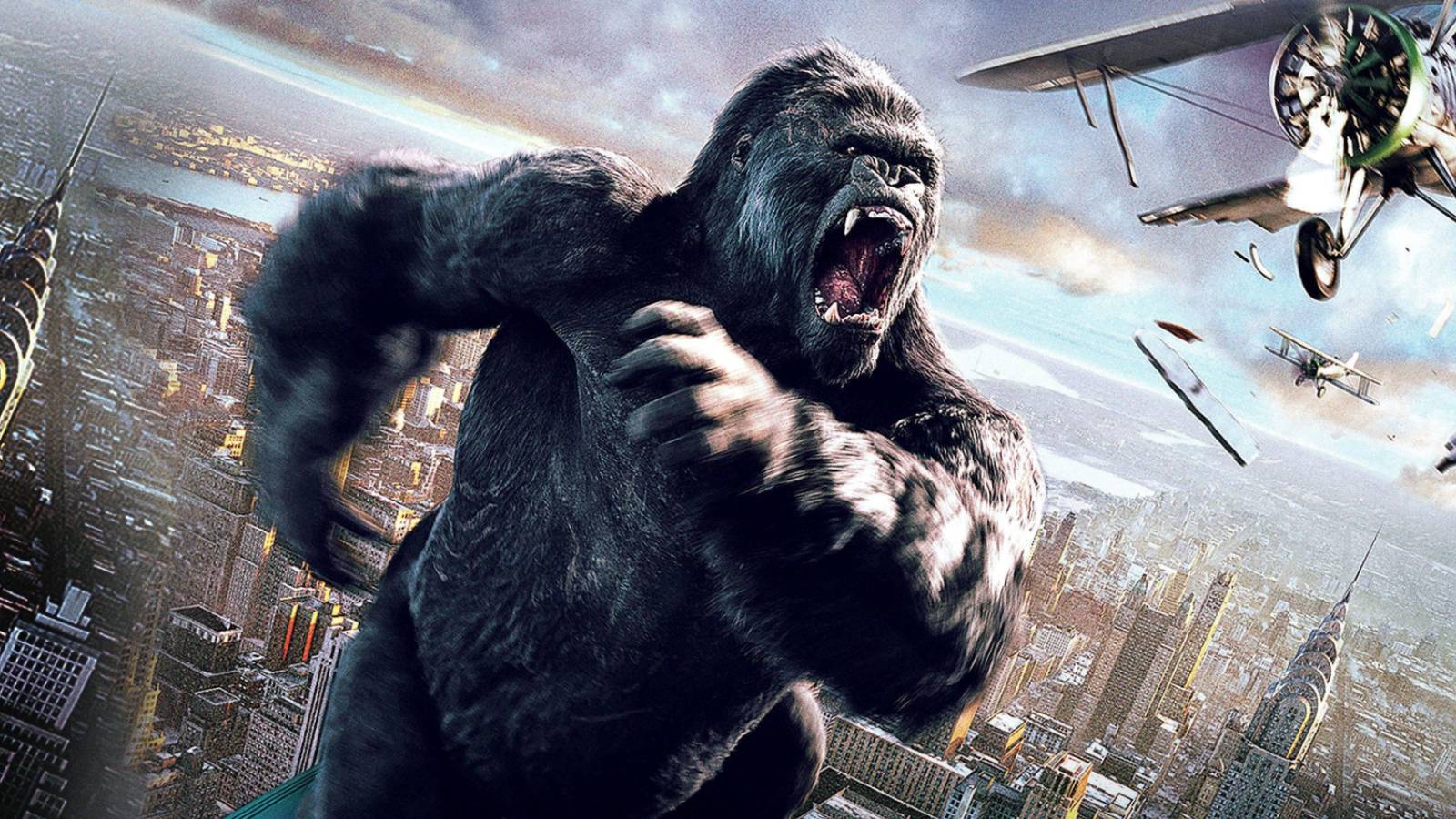
King Kong has been stomping through cinema for over 90 years, outlasting even James Bond and Godzilla in terms of longevity. While Bond and Godzilla have more films, Kong's original 1933 outing still holds up remarkably well. Since then, two other movies have shared the simple title King Kong—both remakes, but with distinct settings and techniques. The 1976 version updated the story to then-modern New York, while Peter Jackson's 2005 epic returned to the 1930s period. These three films share the same basic premise: a giant ape discovered on a mysterious island, his bond with a young woman, and his tragic rampage through the city. But each stands apart due to its era and the technology used to bring Kong to life—stop-motion, a man in a suit, or CGI.
Ranking them is surprisingly straightforward, with a clear winner and an obvious loser. Unlike the messy Mummy franchise, these three Kongs offer a clean hierarchy. And thankfully, none are as disastrous as 1998's Godzilla—faint praise, but worth noting.
3. King Kong (1976)
The 1976 King Kong is the weakest of the trio. Directed by John Guillermin, this version used a man in a gorilla suit stomping through miniatures, a technique that feels dated even by 1970s standards. The plot follows the familiar beats: explorers discover Kong on a remote island, he becomes infatuated with a young woman (Jessica Lange in her film debut), and he's brought to New York, where he climbs the World Trade Center instead of the Empire State Building. That finale, set against the newly completed Twin Towers, now carries an unintentional eerie weight for post-2001 viewers.
The cast includes Jeff Bridges in an early role, but neither he nor Lange deliver career-best performances. The characters are broad and the monster mayhem is goofy rather than thrilling. If you're craving cheesy 1970s creature features, you could do worse, but this is the least essential of the three King Kong movies.
2. King Kong (2005)
After conquering Middle-earth with The Lord of the Rings, Peter Jackson set his sights on a passion project: a lavish, three-hour remake of King Kong. This version returns to the 1930s setting, but expands the story to an epic 187-minute runtime—nearly double the original. The length is both its greatest ambition and its biggest flaw. The first act drags with extended character setup, the Skull Island sequences are packed with dinosaur battles and giant insects, and the final New York rampage feels drawn out. Somewhere inside this behemoth is a tighter 2-to-2.5-hour movie struggling to get out.
Yet the spectacle is undeniable. Jackson's use of CGI and motion-capture (with Andy Serkis as Kong) brings the ape to life with unprecedented emotion and detail. The film foreshadows the bloat of Jackson's later Hobbit trilogy, but it's still a far better monster movie than many. For fans of epic fantasy and underrated fantasy films, this Kong offers plenty of awe—if you have the patience.
1. King Kong (1933)
The original King Kong remains the undisputed king. Released in 1933, this groundbreaking film used stop-motion animation by Willis O'Brien to create a Kong that feels surprisingly alive and expressive. The story is lean and efficient: a film crew travels to Skull Island, captures Kong, and brings him to New York, where he escapes and climbs the Empire State Building. At just 100 minutes, it wastes no time, delivering thrills, tragedy, and iconic imagery that has influenced generations of monster movies.
The special effects may look dated by modern standards, but the film's pacing, atmosphere, and emotional core still resonate. Kong's final stand against biplanes on the skyscraper is one of cinema's most enduring moments. For those new to the franchise, this is the essential starting point—a masterclass in how to make a monster movie that feels both epic and intimate. If you're looking for tightly-paced horror or classic sci-fi, the 1933 King Kong delivers.
While the 1976 and 2005 versions have their merits, none can match the original's impact. It's the film that defined the giant ape for generations, and it remains the best of the three movies called King Kong.