In the world of horror, runtime isn't just a number—it's a promise. While some films luxuriate in slow-burn dread for over two hours, the best horror movies know that sometimes less is more. A tight 90-minute runtime forces filmmakers to cut the fat, delivering scares that hit hard and leave a lasting impression. Here are the horror masterpieces that prove perfection comes in a compact package.
Silent Screams and Gothic Shadows
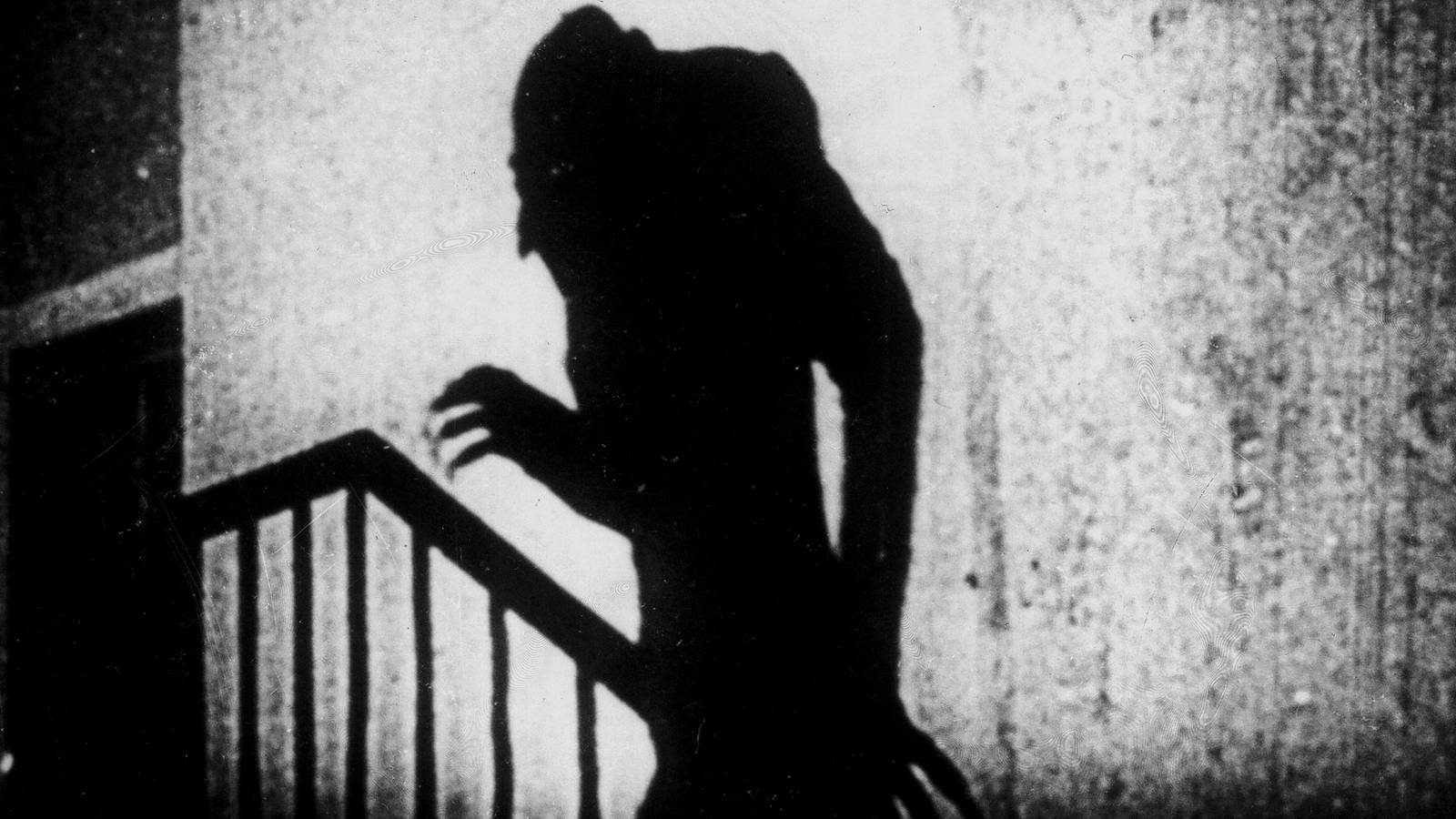
Long before CGI and jump scares, F.W. Murnau's Nosferatu: A Symphony of Horror (1922) proved that atmosphere alone could terrify. This unauthorized adaptation of Bram Stoker's Dracula nearly didn't survive—Stoker's widow sued, and a court ordered all copies destroyed. Thankfully, a few prints endured, and today it stands as a foundational vampire film. Max Schreck's gaunt, rat-like Count Orlok remains one of cinema's most haunting images, and the film's expressionistic visuals have influenced everything from Tim Burton to modern sci-fi horror. Clocking in at 65–94 minutes depending on the restoration, it's a masterclass in economical storytelling.
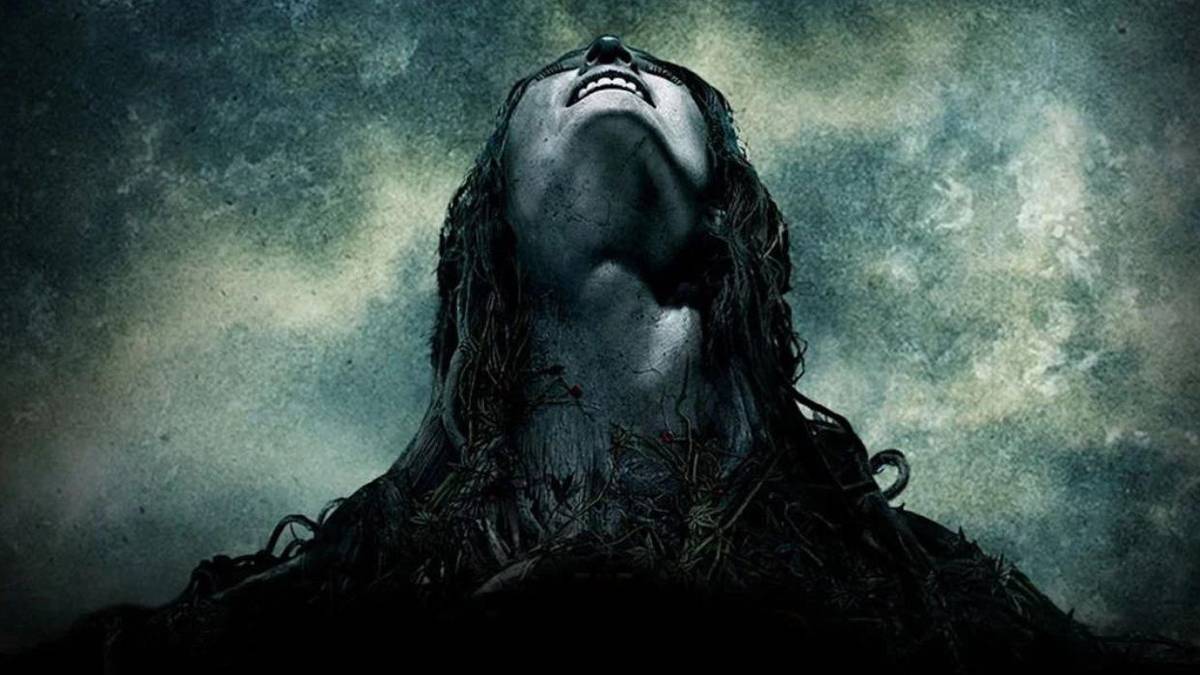
Charles Laughton's sole directorial effort, The Night of the Hunter (1955), is a Southern Gothic nightmare that bombed on release but is now revered as a masterpiece. Robert Mitchum delivers one of cinema's most chilling performances as the murderous preacher Harry Powell, who stalks a widow and her children for hidden cash. The film's dreamlike visuals—think silhouettes against moonlit rivers—owe a debt to German expressionism, and its 92-minute runtime is packed with tension that builds to a harrowing climax. It's a must-watch for any horror fan.
Indie Revolution: Zombies and Chainsaws
George A. Romero's Night of the Living Dead (1968) didn't just invent the modern zombie—it redefined independent horror. Shot on a shoestring budget in Pennsylvania, this 96-minute siege thriller follows a group of strangers barricaded in a farmhouse as the dead rise. The film's gore was shocking for its time, but its real power lies in its social commentary, amplified by the casting of Duane Jones as the lead. Released the year of Martin Luther King Jr.'s assassination, it remains a potent allegory for racial and societal division. Without it, there'd be no The Walking Dead or modern YouTube horror.
Tobe Hooper's The Texas Chain Saw Massacre (1974) is even more brutal—and more restrained. Despite its notorious reputation, the film shows surprisingly little gore. Instead, it relies on oppressive heat, grinding machinery, and the sheer menace of Leatherface to create an atmosphere of pure dread. At just 83 minutes, it's a relentless assault on the senses that never lets up. The film's influence on slashers and found-footage horror is immeasurable, and it remains a benchmark for indie terror.
Modern Masterpieces of Efficiency
More recent entries prove the 90-minute format is timeless. Robert Eggers' The Witch (2015) is a slow-burn period piece that feels both ancient and fresh. Set in 1630s New England, it follows a Puritan family unraveling after a baby vanishes. The film's 92-minute runtime is deceptive—every frame is loaded with dread, from the eerie forest to the unsettling goat Black Phillip. It's a masterclass in building tension without cheap scares.
For fans of body horror, David Cronenberg's The Fly (1986) is a tragic love story wrapped in a nightmare. Jeff Goldblum plays a scientist whose teleportation experiment goes horribly wrong, leading to a gruesome transformation. At 96 minutes, it balances character development with visceral horror, culminating in one of cinema's most heartbreaking endings. It's a reminder that the best horror movies make you care before they make you scream.
Whether you're revisiting classics or discovering new favorites, these films prove that 90 minutes is the perfect length for a horror movie. They respect your time while delivering maximum terror—and that's a rare gift.