Psychological thrillers have a unique power: they burrow into your mind, twist your expectations, and leave you breathless. The best ones don't just have a great opening or a killer ending—they maintain that grip from the very first scene to the final credits. Here are ten masterpieces that achieve perfection throughout their runtime.
'Prisoners' (2013)
Denis Villeneuve, now celebrated for sci-fi epics like Dune, delivered one of the 2010s' most intense thrillers with Prisoners. When two young girls vanish in a small town, their father Keller Dover (Hugh Jackman) descends into a desperate, rage-fueled search. Meanwhile, Detective Loki (Jake Gyllenhaal) races to find the truth before Dover crosses a line. The film's dual narrative—following both a grieving parent and a methodical investigator—keeps the tension unbearable. Every clue, red herring, and revelation lands with precision, making it a must-watch for fans of the best psychological thrillers of 2026 so far.

'Black Swan' (2010)
Darren Aronofsky's Black Swan is a haunting exploration of perfectionism and madness. Natalie Portman stars as Nina, a ballerina who lands the lead in Swan Lake—only to lose her grip on reality as the pressure mounts. The film blends stunning choreography with psychological horror, creating an experience that is both beautiful and deeply unsettling. Portman's Oscar-winning performance, alongside Mila Kunis, makes every scene feel like a tightrope walk over insanity.
'Whiplash' (2014)
Few films capture the agony of artistic ambition like Whiplash. Miles Teller plays Andrew, a jazz drummer determined to be great, but his teacher Terence Fletcher (J.K. Simmons) pushes him to the brink of abuse. The film is a relentless assault of verbal and physical torment, set to a pulse-pounding jazz score. It's a perfect example of how binge-worthy thrillers can sustain tension without a single wasted moment.
'Rosemary's Baby' (1968)
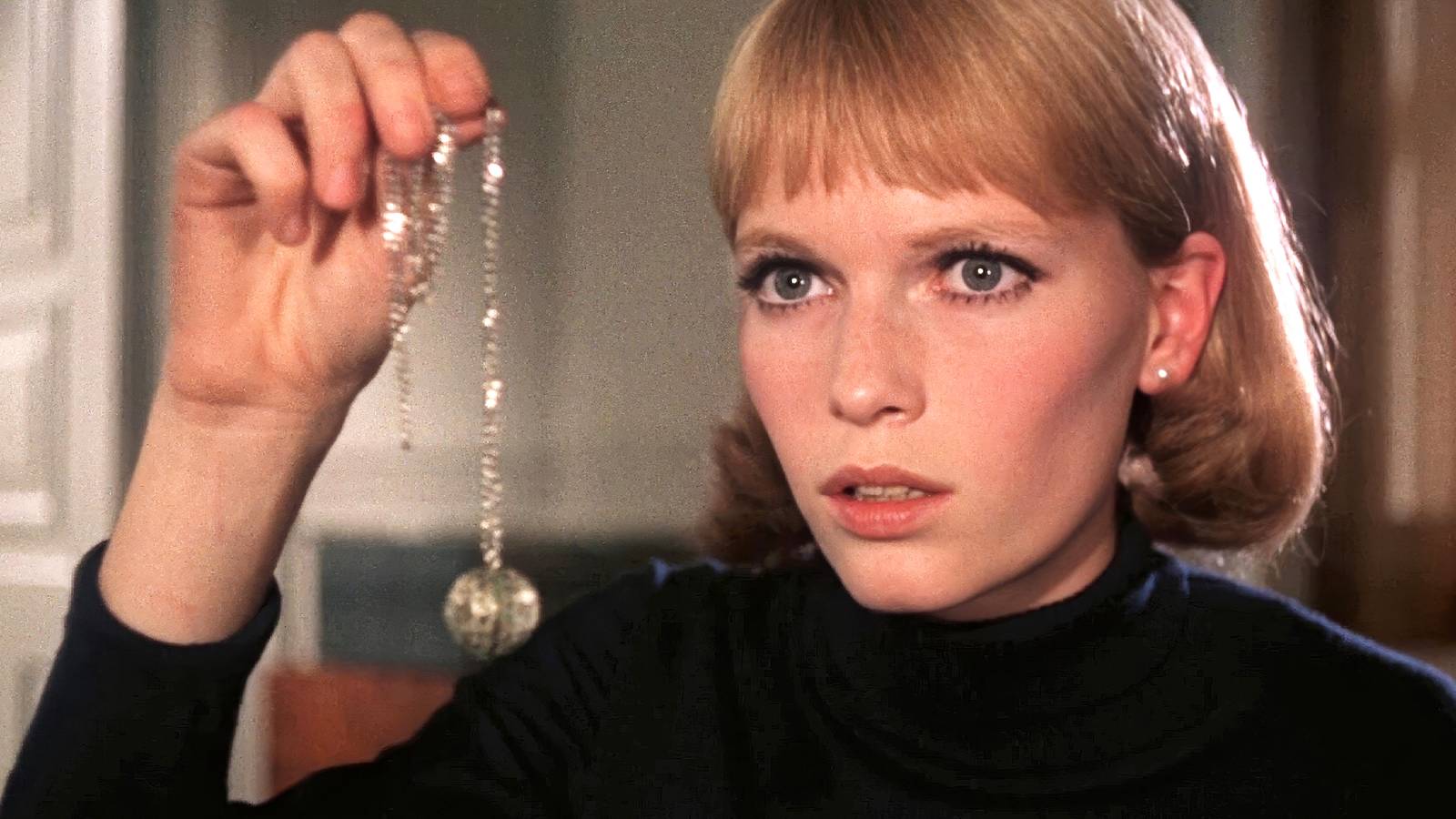
Roman Polanski's classic remains a gold standard for psychological horror. Mia Farrow plays Rosemary, a pregnant woman who grows paranoid that her neighbors have sinister plans for her unborn child. The film's slow-burn dread, feminist undertones, and critique of religious institutions make it as relevant today as it was in the '60s. It's a masterclass in building unease from the first scene to the last.
'Mulholland Drive' (2001)
David Lynch's surreal masterpiece defies easy description. A woman with amnesia (Laura Harring) and a hopeful actress (Naomi Watts) navigate a dreamlike Los Angeles filled with mystery and menace. The film's nonlinear narrative and haunting imagery reward repeated viewings. It's a perfect example of how cinematic masterpieces where every frame is a work of art can also be deeply unsettling.
'Rear Window' (1954)
Alfred Hitchcock's Rear Window is the ultimate voyeuristic thriller. Confined to his apartment with a broken leg, photographer L.B. Jefferies (James Stewart) spies on his neighbors and becomes convinced one of them has committed murder. The film's single-set location and masterful pacing create an airtight sense of suspense. It's a testament to Hitchcock's genius that every glance out the window feels like a life-or-death gamble.
'Oldboy' (2003)
Park Chan-wook's Oldboy is a brutal, unforgettable revenge story. After being imprisoned for 15 years, Oh Dae-su is released and given five days to find his captor. The film's iconic hallway fight scene is just one highlight in a narrative that twists and turns with shocking violence and emotional depth. It's a psychological thriller that never lets up.
'The Silence of the Lambs' (1991)
Jonathan Demme's Oscar-winning film pairs FBI trainee Clarice Starling (Jodie Foster) with the brilliant but monstrous Hannibal Lecter (Anthony Hopkins) to catch a serial killer. The cat-and-mouse dialogue between them is electrifying, and the film's atmosphere of dread is unrelenting. Every scene builds toward a climax that is both satisfying and terrifying.
'Se7en' (1995)
David Fincher's Se7en follows two detectives (Brad Pitt and Morgan Freeman) hunting a killer who uses the seven deadly sins as his blueprint. The film's grim, rain-soaked aesthetic and shocking ending have made it a touchstone of the genre. It's a perfect example of how a thriller can be both intellectually engaging and viscerally disturbing.
'The Sixth Sense' (1999)
M. Night Shyamalan's breakthrough film is a masterclass in misdirection. Bruce Willis plays a child psychologist trying to help a boy (Haley Joel Osment) who sees dead people. The film's famous twist recontextualizes every scene, proving that a great psychological thriller can be both heartbreaking and clever. It's a perfect ending to a perfect film.