There's a special kind of cinematic heartbreak reserved for fantasy films that promise epic adventure but deliver hollow spectacle. You settle in, hoping to be transported to a richly imagined world like Peter Jackson's Middle-earth, only to find yourself watching a pale imitation that never finds its footing. What makes these disappointments particularly frustrating is that they often possess all the right ingredients—strong concepts, talented casts, and visual ambition—yet somehow miss the mark entirely.
5. Seventh Son (2014)
On paper, Seventh Son checks every fantasy box: a chosen hero, a wise mentor, a terrifying villainess, and a world teeming with supernatural threats. Ben Barnes stars as Tom Ward, apprenticed to Jeff Bridges' Master Gregory to battle Julianne Moore's witch queen Mother Malkin. Yet the film races through its mythology so frantically that nothing resonates. Scenes flash by without emotional weight, character development gets sacrificed for plot progression, and the elaborate world-building feels like expensive wallpaper rather than a living realm. Unlike The Lord of the Rings, where every landscape and encounter deepens the journey, this film feels like someone hastily assembled fantasy tropes without understanding why they matter.
4. Eragon (2006)
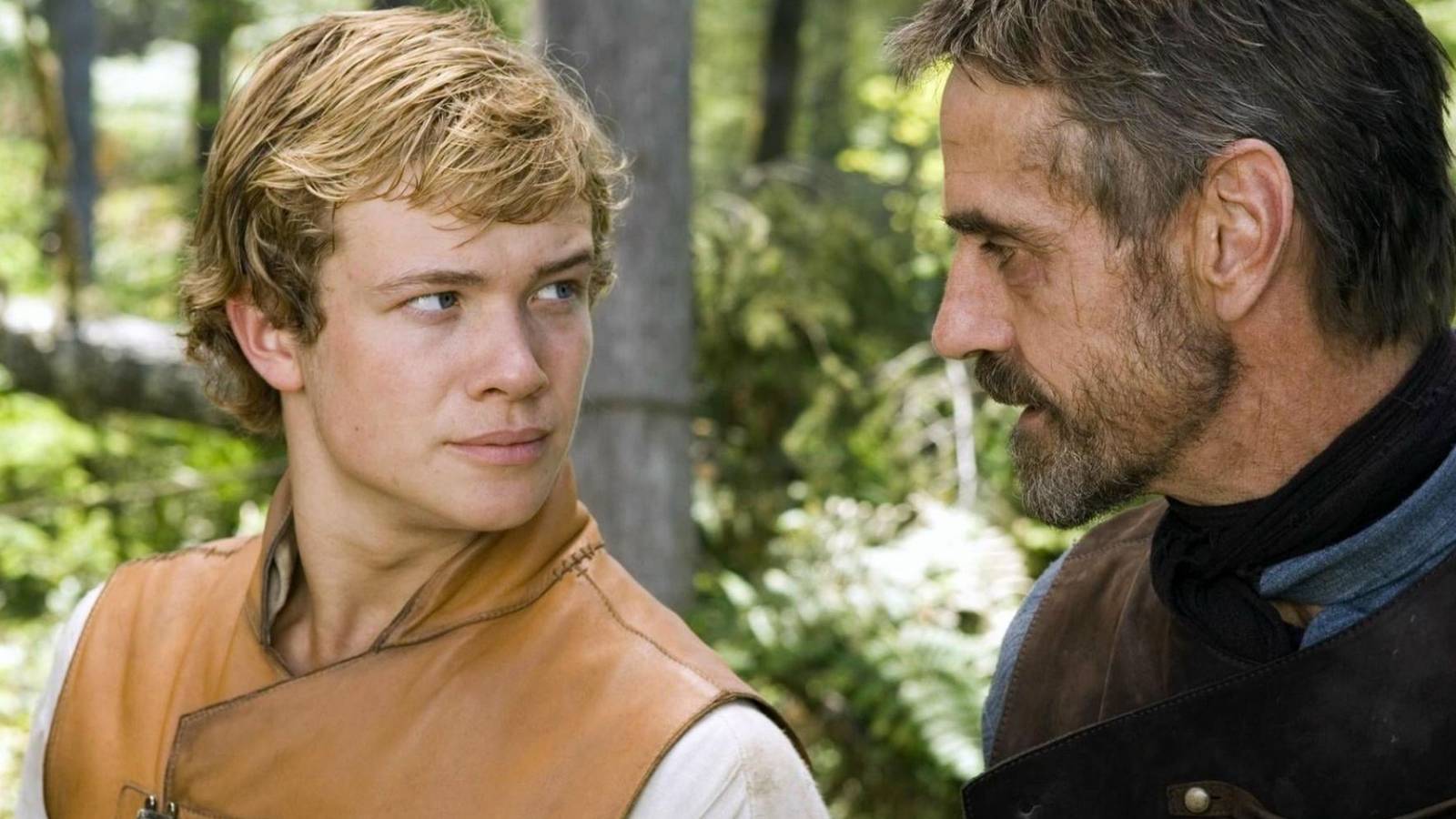
Based on Christopher Paolini's bestselling novel, Eragon follows the classic hero's journey: farm boy discovers dragon egg, becomes destined savior, and trains under a grizzled mentor (Jeremy Irons). The foundation for something special was there, but the execution feels like a highlight reel of someone else's adventure. Ed Speleers' Eragon bonds with dragon Saphira and confronts John Malkovich's Galbatorix at breakneck speed, leaving no room for the gradual transformation that makes such stories compelling. Where The Fellowship of the Ring patiently built its world and relationships, this film seems desperate to reach epic scale without doing the necessary narrative work to earn it.
3. The Golden Compass (2007)
Visually stunning and conceptually rich, The Golden Compass adapts Philip Pullman's beloved novel with obvious reverence—and unfortunate haste. Dakota Blue Richards makes a spirited Lyra Belacqua, navigating a steampunk-inspired world of armored bears, soul-linked animal companions, and sinister authorities played by Nicole Kidman and Daniel Craig. The problem isn't the imagination on display but the breakneck pacing that never allows viewers to inhabit this universe. Major revelations and character motivations get glossed over as the plot hops between locations, making it difficult to invest emotionally. It's a beautiful map of a story without the journey that gives maps meaning.
2. The Last Airbender (2010)
M. Night Shyamalan's adaptation of the acclaimed animated series demonstrates how compressing rich mythology into a two-hour runtime can drain all magic from the source material. Noah Ringer's Aang, the last Airbender who must master all four elements to restore balance, moves through his destiny with robotic efficiency. His relationships with Katara (Nicola Peltz) and Sokka (Jackson Rathbone) lack warmth, while the conflict with Dev Patel's Prince Zuko feels explained rather than experienced. The film rushes through spiritual concepts and cultural details that made the original series resonate, resulting in a flat, checklist approach to fantasy storytelling. For those craving better fantasy execution, The Magicians on Prime Video demonstrates how to balance mythology with character depth.
1. Warcraft (2016)
Perhaps the most ambitious—and overloaded—entry on this list, Warcraft attempts to translate decades of game lore into a single film and buckles under the weight. Director Duncan Jones clearly loves the source material, crafting detailed orc cultures and human kingdoms with impressive visual effects. Travis Fimmel's Anduin Lothar and Toby Kebbell's Durotan offer sympathetic perspectives on both sides of the conflict. Yet the film introduces so many factions, characters, and magical systems simultaneously that nothing gets proper development. Unlike The Lord of the Rings, which carefully established its stakes and relationships, Warcraft feels like being dropped into the third volume of a series without having read the first two. The result is visually impressive but emotionally distant fantasy.
What these films collectively demonstrate is that epic fantasy requires more than grand visuals and familiar tropes—it needs the patience to let worlds breathe and characters grow. While they aimed for Lord of the Rings grandeur, they missed the deliberate pacing and emotional foundation that made Middle-earth feel real. For viewers seeking fantasy that gets it right, streaming services offer better alternatives. Prime Video's hidden gems include completed fantasy stories, while Henry Cavill's Stardust on Pluto TV proves that lighter fantasy can charm audiences without requiring Tolkien-esque scale.