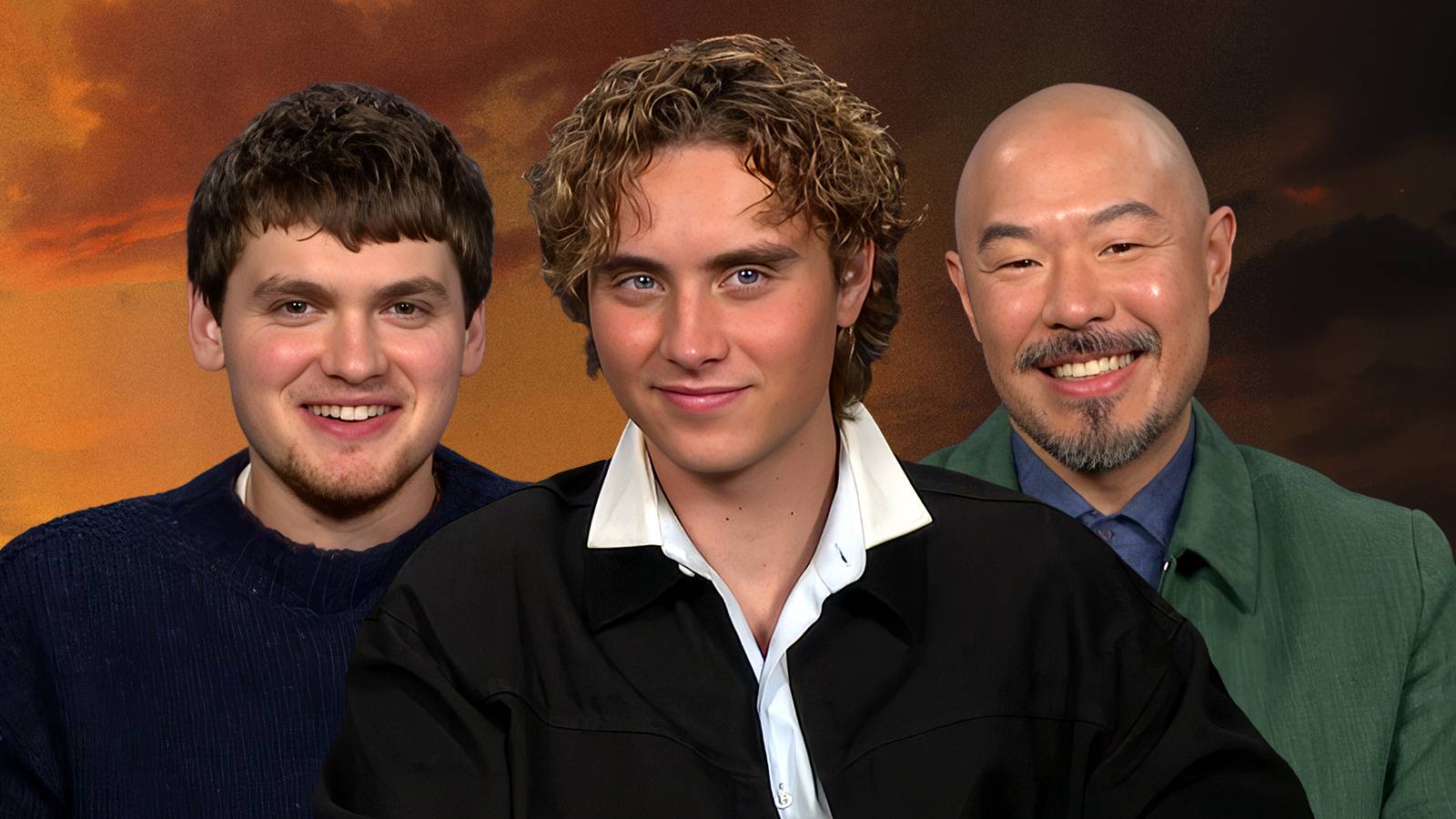
Bringing John Steinbeck's East of Eden to Netflix is no small feat—especially when the story has lived in classrooms and cultural memory for generations. For stars Hoon Lee, Joseph Zada, and Joe Anders, the key to making it feel fresh for 2026 lies in the raw, authentic relationships at the heart of the Trask family.
Zada and Anders step into the shoes of Cal and Aron, the second-generation brothers whose complicated bond mirrors the fraught dynamic between their father Adam (Christopher Abbott) and uncle Charles (Mike Faist). Meanwhile, Hoon Lee plays Lee, the Trask family's devoted housekeeper who becomes an anchor of light in the show's dark world—despite having no blood tie to the family. In a recent conversation with Collider, the trio opened up about how their on-screen chemistry was shaped by real-life connections and shared anxieties.
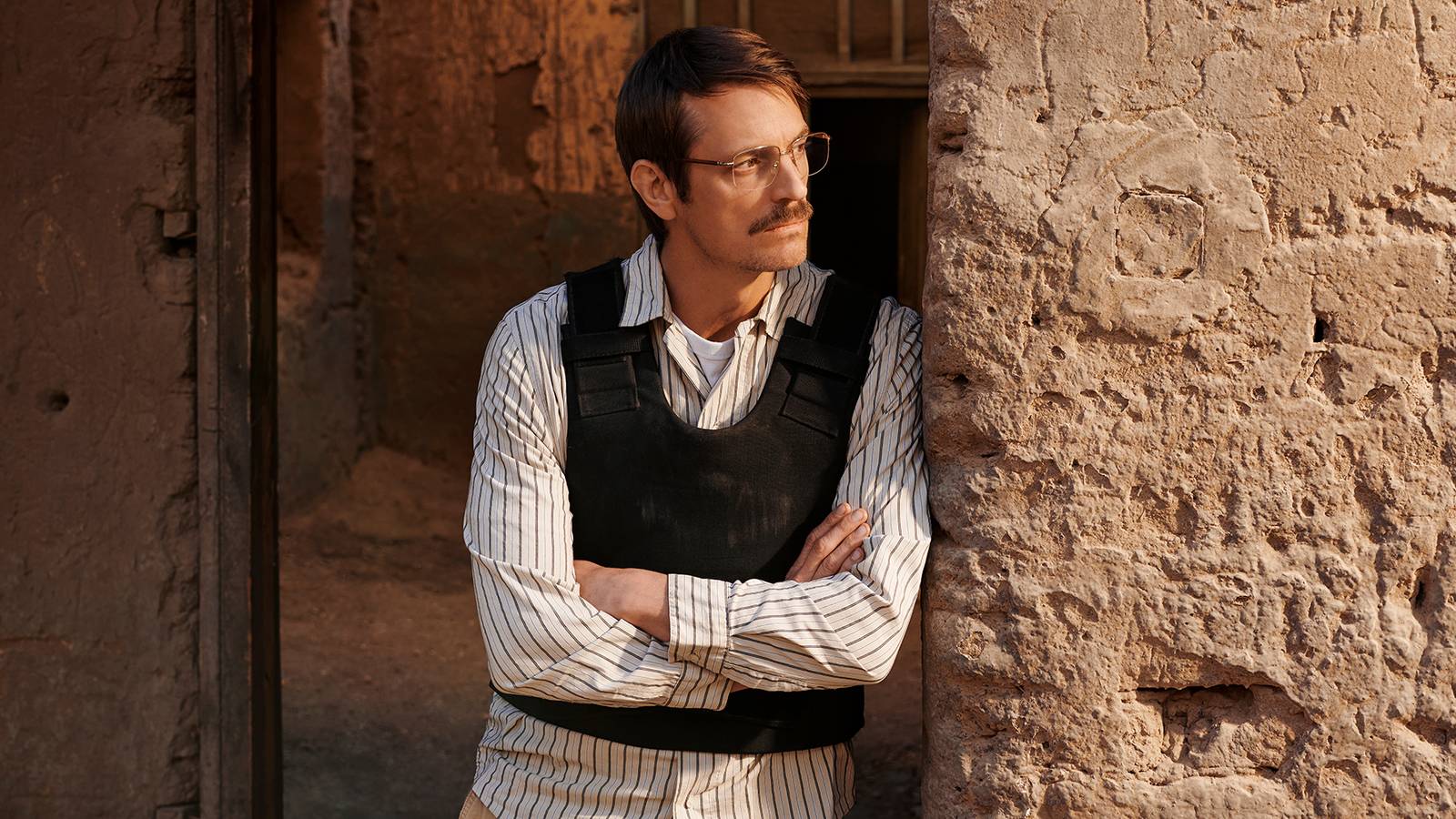
Hoon Lee on Why Lee Could Never Walk Away
Lee's role in the Trask household grows increasingly vital as the story unfolds. He witnesses Adam's unwavering devotion to the selfish Cathy (Florence Pugh), and when she abandons the family, Lee steps in as a father figure to the twin boys. He stays for decades, offering guidance, emotional support, and love. For Hoon Lee, the character's loyalty stems from a simple but profound truth: once you've invested your heart in someone's life, walking away becomes nearly impossible.
“When you're allowed to put your stamp on a situation and dedicate a portion of your heart and soul to it, it's inevitable that you feel tied to it, bound to it,” Lee explains. He notes that Lee was “present for the birth of these boys,” which creates an unbreakable kinship. Even when Adam tries to relieve him of his duties after the family moves to town, Lee returns—unable to abandon the children he adores. As Lee puts it, stepping away would mean “abandoning these babies into the wilderness.”
That sense of responsibility defines Lee's approach to fatherhood. He doesn't see his role as a formal title but as a response to the boys' needs, wanting to “provide succor and comfort to people that need it.” One of his most poignant lines in the series captures his philosophy: “The greatest fear that a child has is that he won't be loved. Rejection is the hell that he fears.” Lee refuses to subject Cal and Aron to that hell, and as Hoon Lee concludes, “That says a lot about his humanity.”
Brotherly Rivalry Born from Instant Friendship
The authenticity of Cal and Aron's fraught relationship comes from the fact that Zada and Anders didn't have to fake their chemistry. When asked how they made the rivalry feel so natural, they joked, “Just deep-seated hatred of each other!” Zada added with a laugh, “Just wanting to be better than Joe every day and proving it in every scene.” But beneath the humor, there's a real bond.
“We were really close off the rip,” Zada says, with Anders agreeing that they had “a really natural relationship when we first met each other.” That instant connection gave them an intuitive understanding of how to play off one another—essential for two characters whose relationship swings between brotherly love and fierce competition.
They also shared the weight of adapting such an iconic story. Both admitted to being “terrified” of getting it wrong, leading to “extensive conversations and freak-outs” about doing the material justice. They worried about making fools of themselves or even ending their careers. But that shared fear brought them closer and aligned their vision for Cal and Aron's dynamic.
The result is a rivalry that feels genuine because it's built on real friendship, healthy competition, and a mutual respect for Steinbeck's legacy. As Zada and Anders discovered, sometimes the best performances come from embracing the terror together—and turning it into something unforgettable.