While Denis Villeneuve's cinematic Dune trilogy has captured the world's imagination, a brilliant and often overlooked chapter of the saga is unfolding on the small screen. HBO's Dune: Prophecy is a masterclass in hard sci-fi world-building, serving as a secret origin story for the entire $355 million franchise. Set a staggering 10,000 years before the events of the films, this six-part series is a must-watch for fans and newcomers alike, especially with a second season already confirmed.
The Ancient Foundation of a Galactic Empire
Dune: Prophecy transports viewers to a pivotal, formative era. Humanity has just survived the cataclysmic Butlerian Jihad, a war against sentient machines that nearly caused extinction. In the aftermath, the political landscape is being carved: House Corrino leads the new Imperium, House Atreides enjoys a powerful position for its wartime role, and House Harkonnen simmers in disgrace. This is where their legendary feud ignites. More importantly, it's the dawn of the universe's most influential institutions, primarily the Bene Gesserit, who at this time are known simply as the Sisterhood.
The series centers on the Sisterhood's nascent "Grand Plan"—a millennia-spanning conspiracy to genetically engineer the Kwisatz Haderach, a superbeing meant to guide humanity to enlightenment. This very plan will, thousands of years later, culminate in the birth of Paul Atreides. Prophecy shows the first, fragile steps of this scheme as the Sisterhood works to consolidate its shadowy influence over the Great Houses of the Imperium.
A Cast of Schemers and Wild Cards
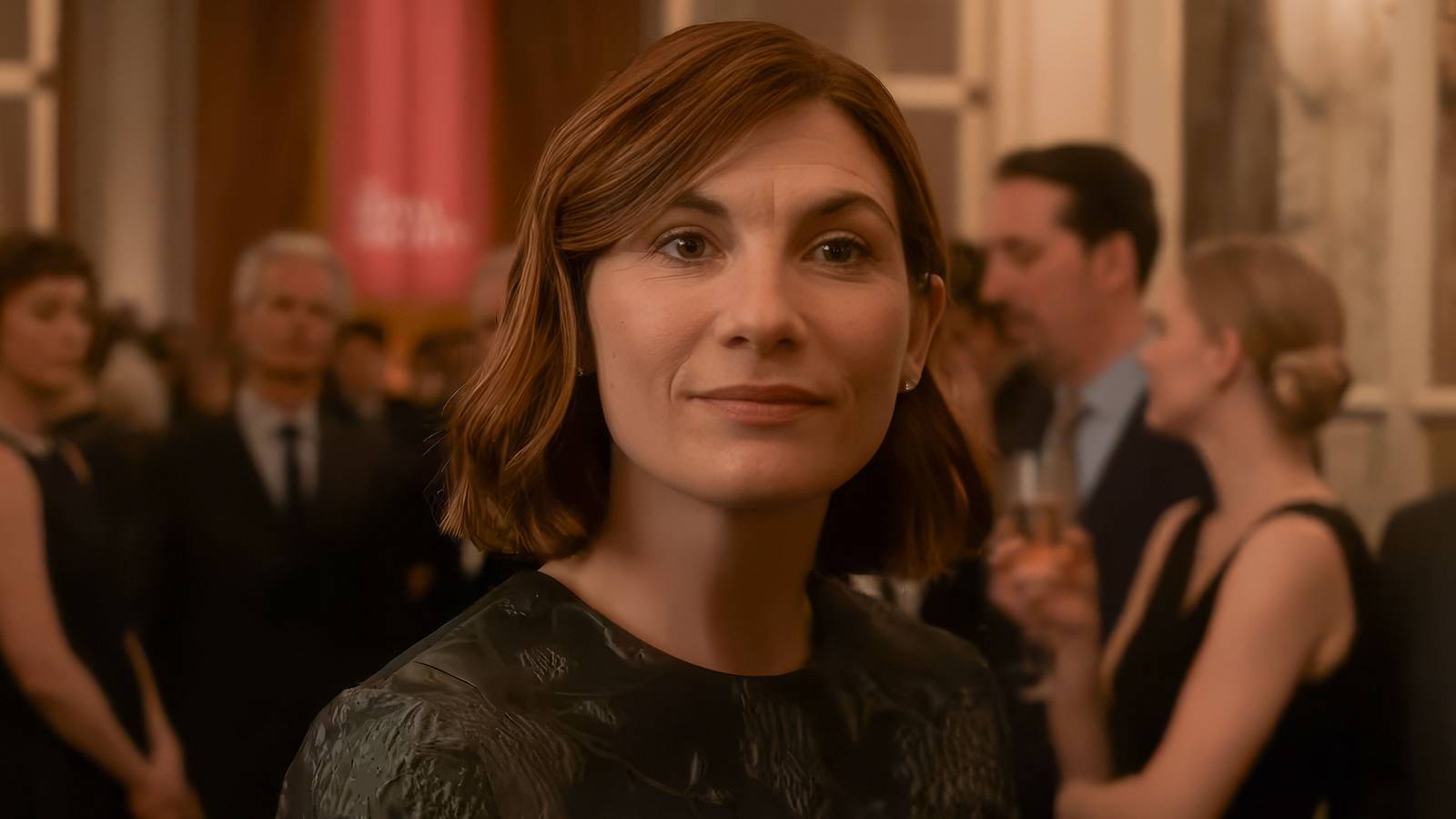
The heart of the series lies in its complex characters, who rank among the franchise's best. Emily Watson delivers a powerhouse performance as Valya Harkonnen, the formidable Mother Superior of the Sisterhood. Driven by a deep-seated grudge against House Atreides, Valya is the ultimate architect, weaving "plans within plans" to secure her order's future and satisfy her personal vendetta.
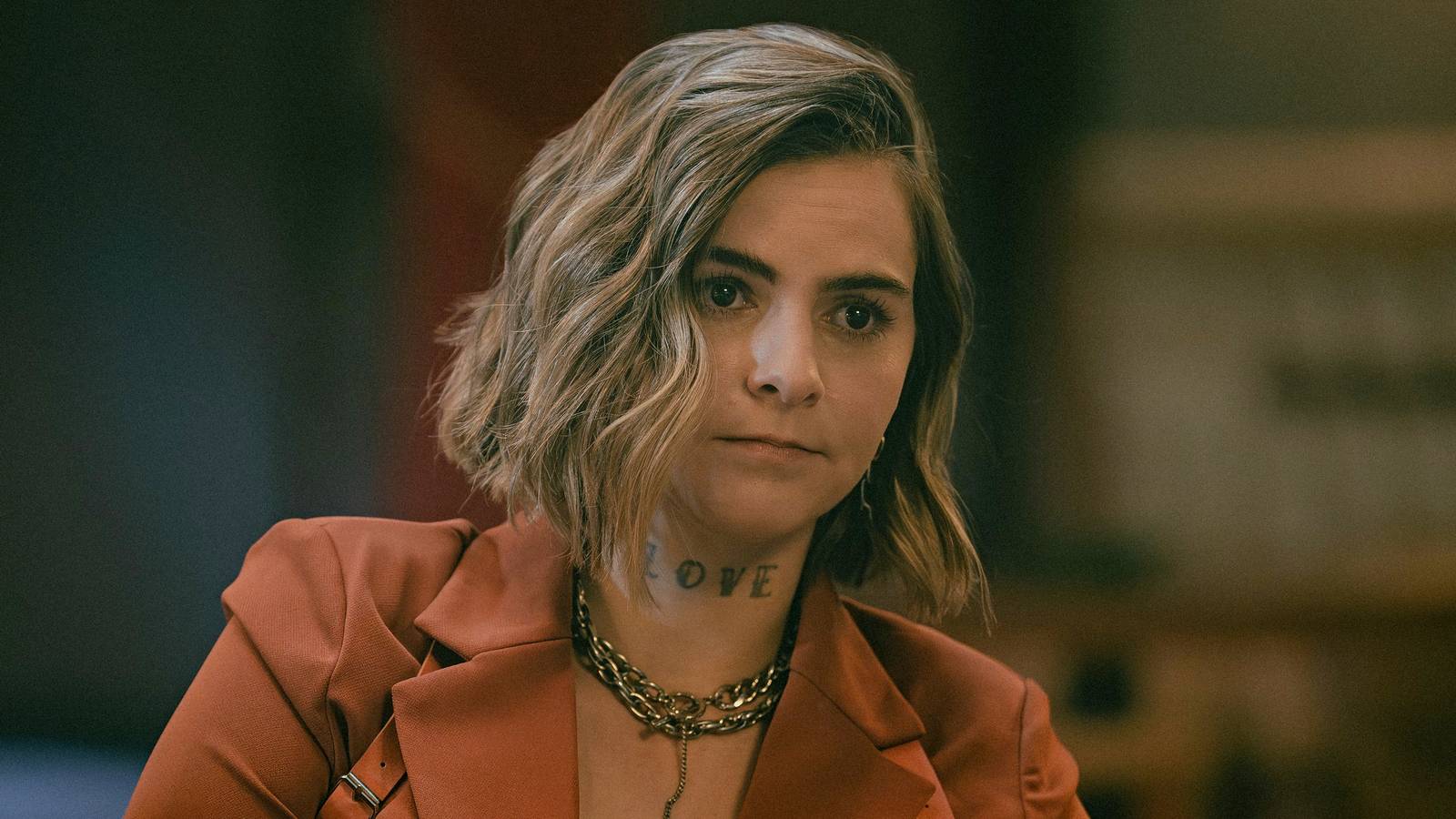
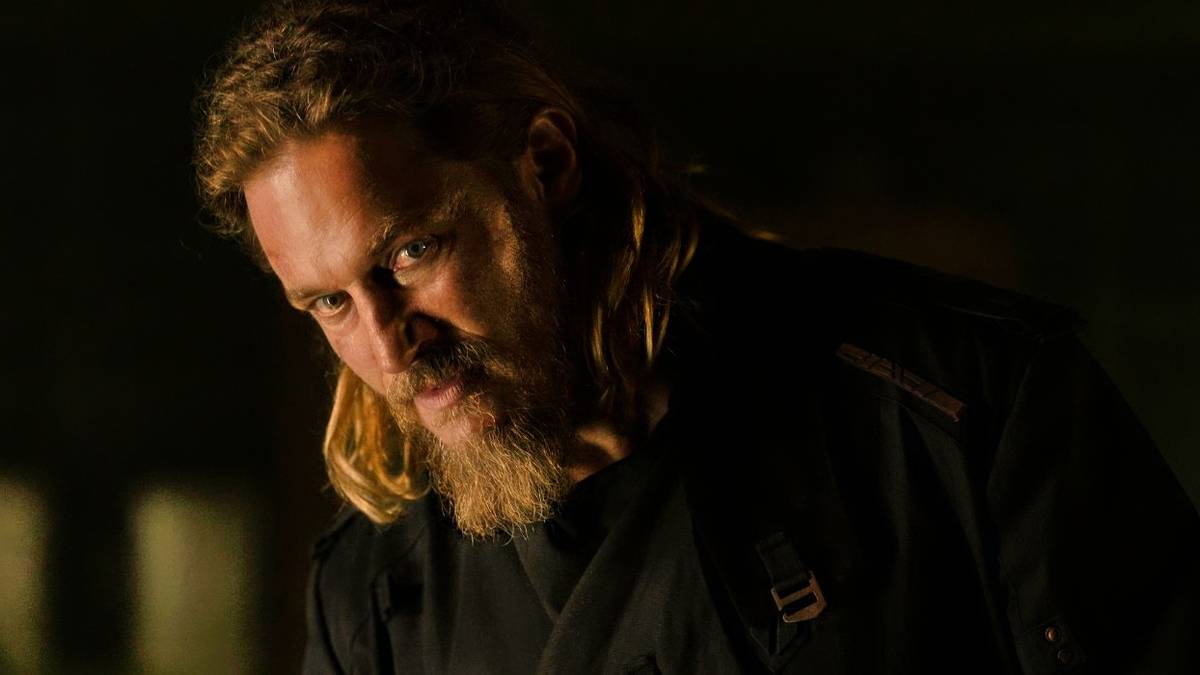
Her most dangerous obstacle is Desmond Hart, played by Travis Fimmel. A mysterious soldier with unexplained abilities unrelated to the spice melange, Desmond holds a powerful animosity toward the Sisterhood. His influence with Emperor Javicco Corrino (Mark Strong) threatens to unravel all of Valya's carefully laid schemes, putting the very existence of the Sisterhood in jeopardy. This dynamic conflict, supported by strong performances from Olivia Williams and Jessica Barden, creates a gripping political and personal drama.
Expanding the Literary Universe
While Villeneuve's films adapt Frank Herbert's classic novels, Dune: Prophecy draws from the expanded literary universe co-authored by Herbert's son, Brian, and Kevin J. Anderson. The series continues the story from the "Great Schools of Dune" book trilogy, offering a fresh narrative corner of the saga for television. This allows the show to explore new themes while maintaining the philosophical depth and intricate plotting that define Dune.
Though its budget can't match the epic scale of the films, the series excels in intimate storytelling and cerebral intrigue. It poses profound questions about power, destiny, and stagnation. The galactic stagnation Paul Atreides is destined to break? This series shows it beginning, asking whether institutions like the Sisterhood are humanity's guardians or its cage. For fans of intricate world-building, it's a hidden gem that richly rewards deep engagement.
Dune: Prophecy proves that a franchise can expand in thrilling new directions without losing its soul. It's a testament to the enduring power of Dune's universe, much like how 'Gen V' proved 'The Boys' universe has limitless potential beyond its core story. As we await both Dune: Part Three and the next season of Prophecy, this HBO series stands as a compelling, essential piece of the puzzle—the ancient key to understanding everything that follows.