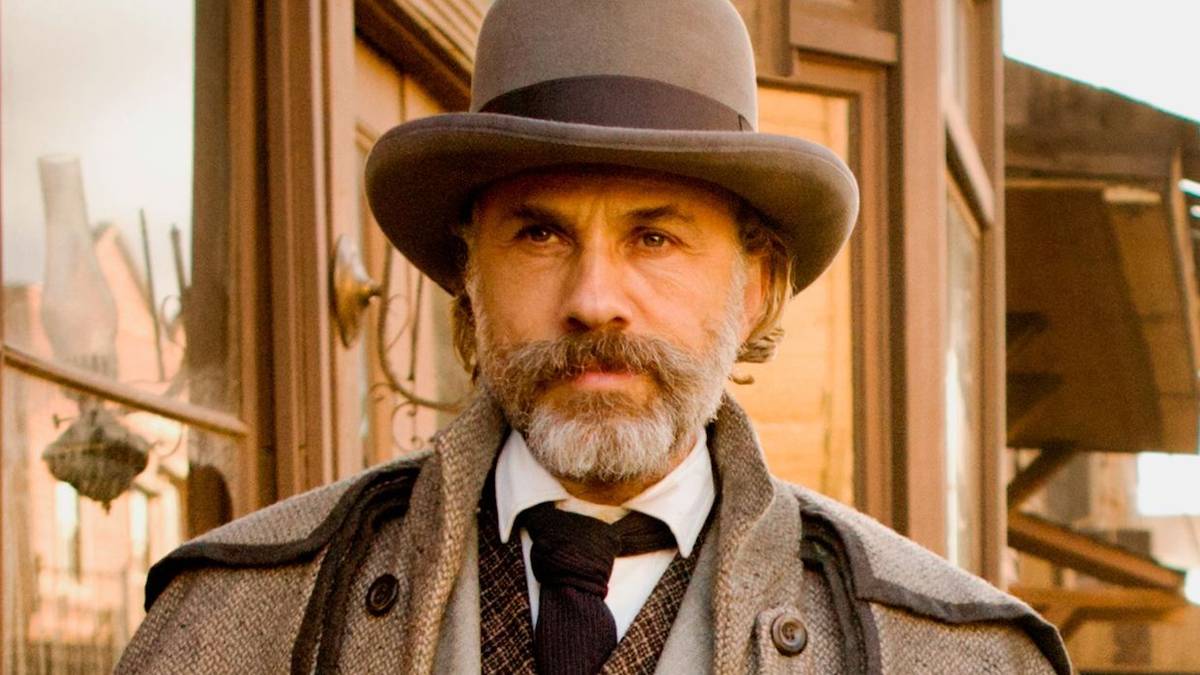
Quentin Tarantino has never been known for writing characters with unblemished moral compasses. His films are populated by anti-heroes, villains, and morally gray figures who make violence look cool. But in Django Unchained, one character breaks the mold: Dr. King Schultz, portrayed by Christoph Waltz. He's not just a bounty hunter with a code; he's the closest thing to a pure "good guy" Tarantino has ever created.
Schultz, a German dentist turned bounty hunter, enters the story as a man of principle. He's polite, articulate, and genuinely kind—even to his enemies. Unlike the typical Tarantino protagonist, who might crack a joke before pulling the trigger, Schultz avoids violence whenever possible. He prefers negotiation and wit over bloodshed, a stark contrast to the film's brutal world of slavery and revenge.
Waltz's performance earned him a second Oscar, but the role almost didn't happen. He initially turned it down, fearing typecasting as a villain after his chilling turn in Inglourious Basterds. Tarantino, persistent as ever, convinced him by promising Schultz would be a pure, non-malicious character. That promise shaped one of cinema's most memorable heroes.
Schultz's goodness is evident in his actions. He only kills in self-defense or to collect bounties, and even then, he does so without malice. When faced with conflict, he tries to talk his way out, explaining his profession and reasoning. This is a far cry from the casual violence of Pulp Fiction's Jules and Vincent, who accidentally kill a coworker and worry more about the mess than the moral weight.
The film's climax highlights Schultz's moral code. When he finally kills Calvin Candie, it's not for pleasure but out of righteous anger after witnessing the brutal murder of a slave. Even then, he accepts his fate, refusing to defend himself and apologizing to Django for his moment of weakness. It's a death that underscores his integrity.
Schultz's impact extends beyond his own story. He's a mentor to Django, teaching him the bounty hunting trade and helping him rescue his wife. His influence is felt in Django's transformation from slave to free man. In a genre filled with morally ambiguous figures, Schultz stands as a beacon of decency.
Tarantino's other films offer few such characters. The Bride in Kill Bill is driven by revenge, and the Hateful Eight are all despicable in their own ways. Even Jules Winnfield, who quotes scripture, is a hitman. Schultz, however, is a man who uses his skills for good, even if his methods are unconventional.
For fans of Tarantino's work, Schultz is a refreshing anomaly. He proves that the director can write a hero without sacrificing edge or entertainment. His story is a reminder that even in the darkest narratives, there can be a light—a character who, despite the chaos, remains honorable to the end.
If you're looking to revisit Tarantino's filmography, check out a fan's ranking of his movies or explore where to stream Jackie Brown. And for more on Tarantino's influences, see his favorite WWII film.