Science fiction has a unique power: it can craft entire worlds that mirror our own in unsettling ways, using the distance of the future to probe timeless questions about freedom, happiness, and what it means to be human. From the chilling corridors of The Handmaid's Tale to the mind-bending episodes of Black Mirror, the genre thrives on pushing boundaries. If you're hunting for your next binge, look no further than Peacock's Brave New World, a nine-episode miniseries that delivers a thought-provoking and visually stunning ride.
Based on Aldous Huxley's classic 1932 novel, this adaptation plunges us into a future split between the gleaming, controlled utopia of New London and the rugged, untamed Savage Lands. In New London, citizens live without privacy, monogamy, or even biological birth—children are grown in labs and assigned social ranks from Alpha to Epsilon. Happiness is mandated through drugs and social pressure, and any hint of individual desire is seen as a threat. Meanwhile, the Savage Lands are a desolate wasteland, where remnants of the old world cling to life, complete with monogamy and a raw, unfiltered existence.
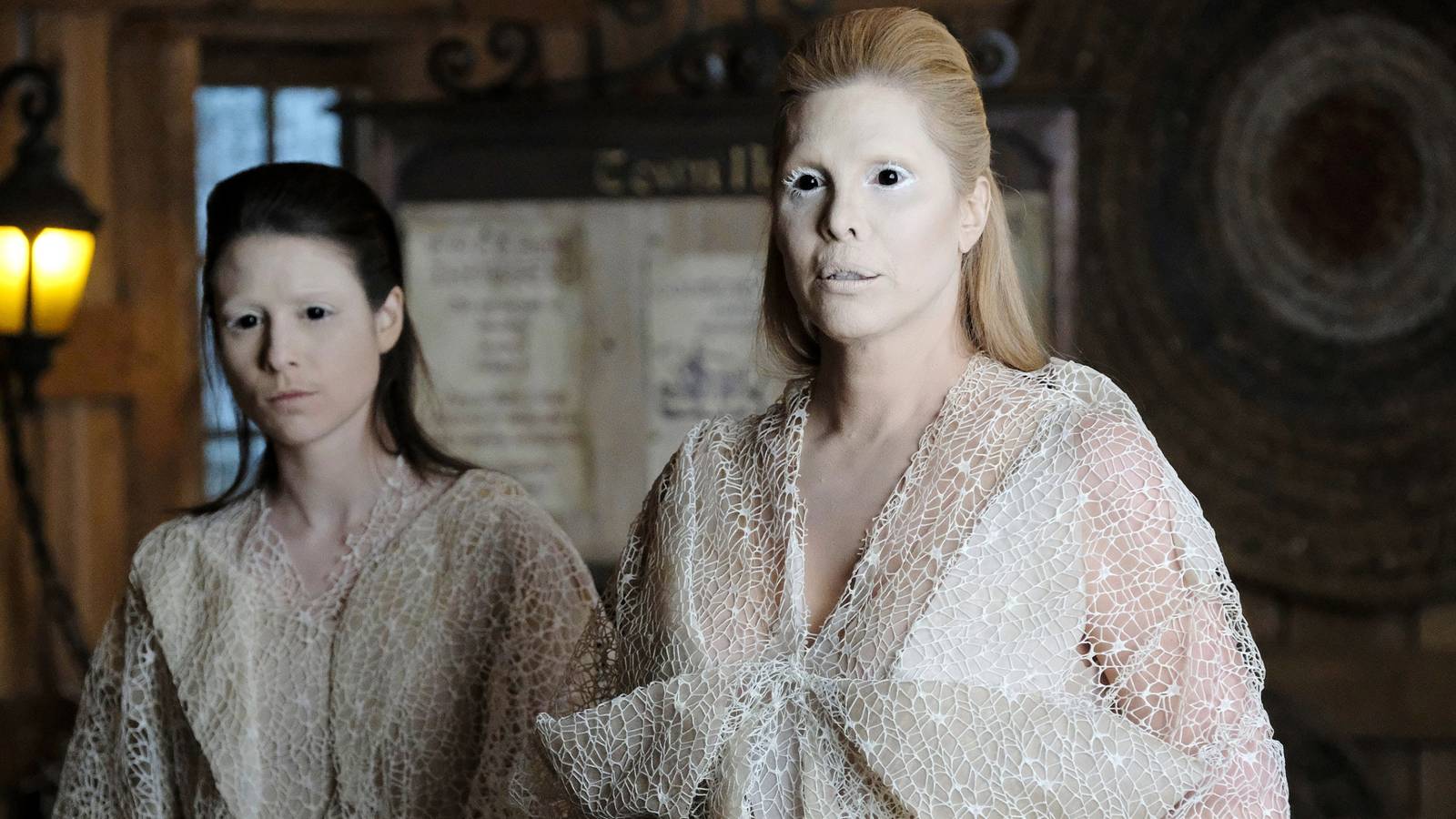
The show's worldbuilding is nothing short of spectacular. New London's citizens wear ocular implants that record every moment, projecting digital menus and emojis into their field of vision. This isn't just a gimmick—it's a constant reminder that privacy is a relic of the past. The stark contrast between the sterile, pastel-hued corridors of New London and the sun-scorched, dusty expanses of the Savage Lands visually reinforces the ideological chasm between the two societies. It's a world that feels fully realized, a testament to Huxley's original vision and the creative team's execution.
At the heart of the drama is a rebellion brewing in the Savage Lands, threatening to tear down the carefully constructed order of New London. As tensions rise, characters on both sides begin to question the very foundations of their lives. The show doesn't shy away from exploring the complexities of love, lust, and connection in a world where intimacy is commodified and controlled. The numerous orgy scenes aren't just for shock value—they're a deliberate examination of whether hedonism can truly lead to happiness, or if it's just a hollow substitute for genuine emotional bonds.
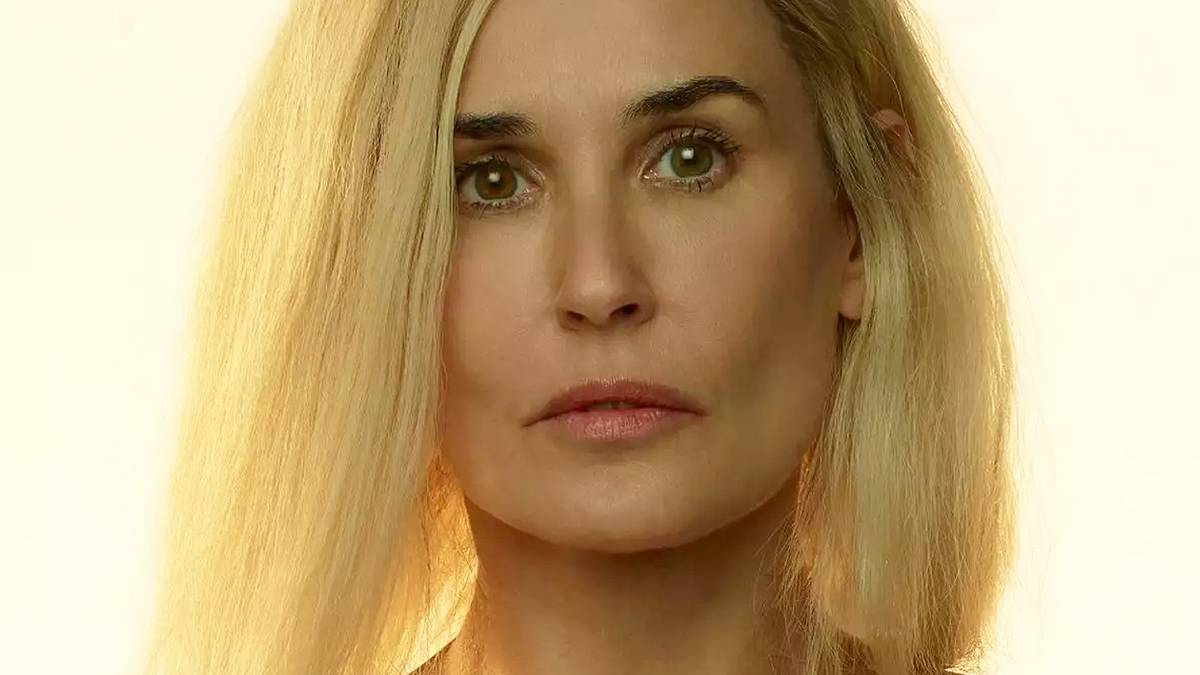
The cast is a major highlight. Jessica Brown Findlay and Harry Lloyd shine as Lenina and Bernard, New Londoners who start to doubt the system they've been raised in. Their patronizing attitudes toward the Savage Lands make them complex, flawed protagonists. But it's Demi Moore who steals the show as Linda, a former New Londoner now trapped in the Savage Lands. Moore described her character as a "bridge between the two worlds," and her portrayal is layered with desperation, regret, and a fierce, if misguided, love for her son John, played by Alden Ehrenreich. John, caught between his mother's dreams and the harsh reality of his surroundings, becomes the emotional core of the series.
One of the most intriguing subplots involves the mysterious suicide of an Epsilon, a genetically engineered worker. Bernard's investigation into this death, using the very technology that oppresses them, adds a detective-thriller layer to the narrative. It's a clever way to integrate the sci-fi elements into the story itself, rather than just having them as window dressing. This kind of thoughtful storytelling is what elevates Brave New World beyond a simple dystopian drama.
While the series only ran for one season, it left a lasting impression on viewers and critics alike. It's a prime example of how to adapt a literary classic for the screen, making it accessible to modern audiences without losing the original's philosophical depth. For fans of dystopian tales, it's a must-watch, and it pairs well with other genre standouts like these dystopian shows that outshine The Hunger Games. If you're looking for more miniseries gems, check out our ranking of the best miniseries of the streaming era.
In a landscape crowded with dystopian narratives, Brave New World stands out for its bold vision and stellar performances. It's a show that doesn't just entertain—it makes you think. And in a world that often feels like it's teetering on the edge of its own brave new reality, that's a rare and valuable thing.