David Lynch stands as one of the most singular artists in cinematic history, a filmmaker whose name alone evokes a genre of its own. While surrealism had existed before him, Lynch's unique blend of painterly visuals, visceral horror, absurdist comedy, and haunting beauty created works that feel like dreams—or nightmares—brought to life. He never catered to Hollywood conventions, even when working with A-list stars and earning industry acclaim. Instead, he trusted audiences to find their own meaning, a choice that has made his films timeless puzzles rather than solved equations.
Lynch's career spans film, television, painting, and even music videos, with a track record remarkably free of missteps. He could appear as John Ford in Spielberg's The Fabelmans or voice a character in The Cleveland Show, proving his versatility. But it's his directorial work that cements his legacy. Here, we rank his five greatest masterpieces, each a testament to his unyielding vision.

5. The Elephant Man (1980)
Lynch's second feature is his most straightforward, a classical biopic that trades overt surrealism for raw emotional power—though a single nightmare sequence hints at his darker tendencies. The film tells the heartbreaking true story of Joseph Merrick, a man with severe facial deformities who is rescued from a life as a circus attraction by a compassionate doctor (Anthony Hopkins). Mel Brooks, known for comedy, produced the film and hired Lynch after being blown away by Eraserhead, wisely keeping his own name off the project to preserve its seriousness.
The Elephant Man is a tender, respectful drama, elevated by John Hurt's transformative performance and groundbreaking makeup effects that were so impressive they inspired the Academy to create the Best Makeup Oscar. It's a film about dignity in the face of cruelty, a theme that resonates throughout Lynch's work.
4. Eraserhead (1977)
Lynch's debut is a midnight-movie legend, a startling and formally daring exploration of fatherhood anxiety. Set in a bleak industrial landscape, it follows Henry Spencer (Jack Nance) as he copes with his wife's monstrous, alien-like baby. The film is often disturbing, but it's also surprisingly funny, blending body horror with absurdist comedy in a way that feels uniquely Lynchian.
Eraserhead is more accessible than some of Lynch's later work, offering a direct look at the fears of parenthood, informed by Lynch's own experiences. Its influence on cinema is immeasurable, and it remains a perfect entry point for newcomers to his strange world.
3. Blue Velvet (1986)
After the commercial disappointment of Dune, Lynch returned with a vengeance, crafting a suburban gothic masterpiece that peels back the veneer of American idealism. The film opens with a shot of white picket fences and roses, only to reveal the writhing insects beneath—a metaphor for the darkness lurking under the surface of small-town life. Jeffrey Beaumont (Kyle MacLachlan) is drawn into a world of crime and seduction when he discovers a severed ear, leading him to the enigmatic Dorothy Vallens (Isabella Rossellini) and the terrifying Frank Booth (Dennis Hopper).
Hopper's performance as the oxygen-mask-wearing, rage-fueled villain is one of cinema's most unforgettable, and the film's use of Roy Orbison's "In Dreams" is iconic. Blue Velvet is a paranoid, dreamlike odyssey that solidified Lynch as a master of the surreal.
2. Mulholland Drive (2001)
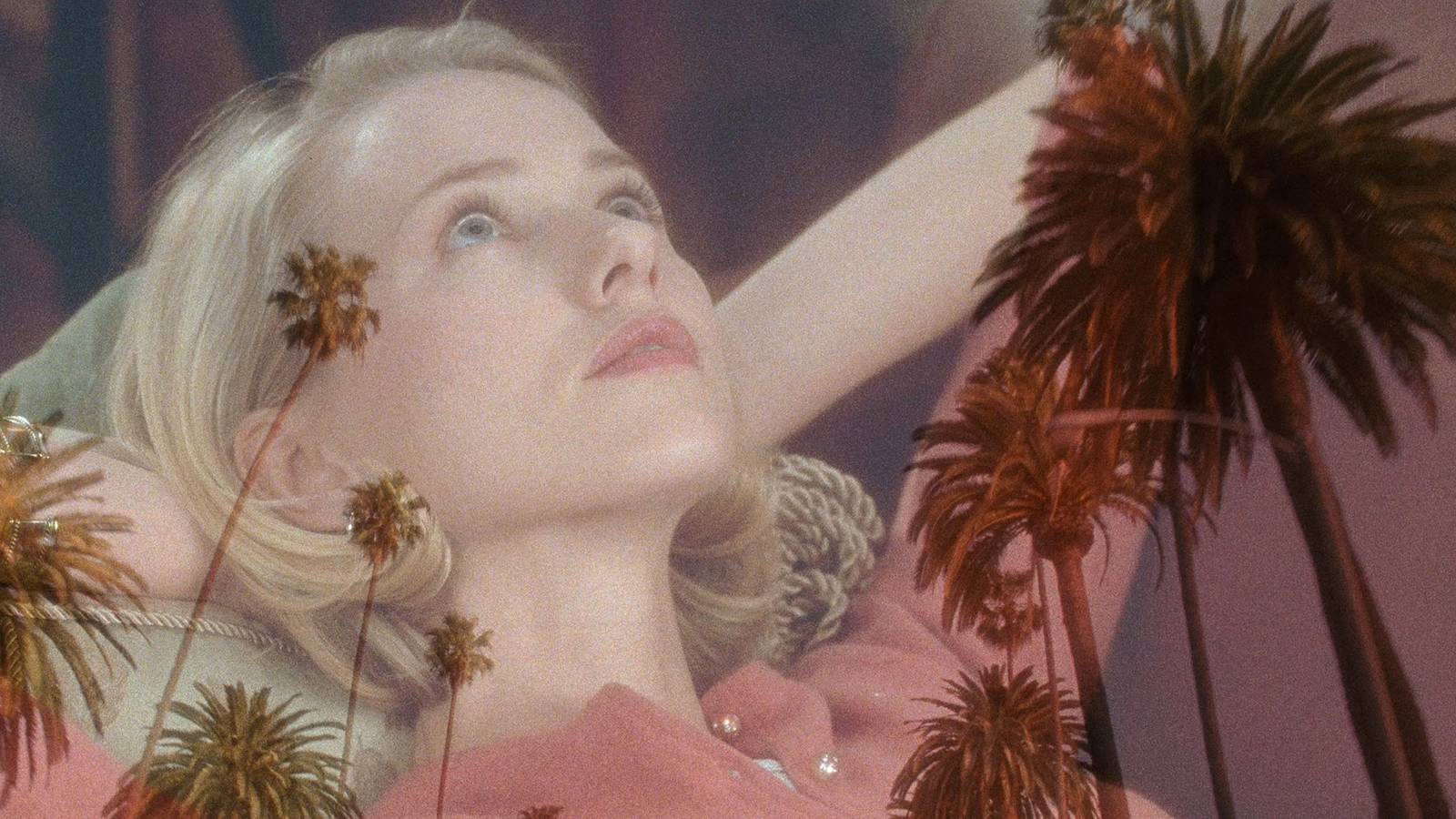
Often hailed as Lynch's magnum opus, Mulholland Drive is a dizzying, nonlinear puzzle that defies easy interpretation. Originally conceived as a TV pilot, it was expanded into a feature that follows an aspiring actress (Naomi Watts) and an amnesiac woman (Laura Harring) as they navigate a mysterious Hollywood landscape. The film shifts from a neo-noir mystery to a surreal nightmare, with a famous diner scene that remains one of the most terrifying moments in cinema.
Lynch's love letter to Los Angeles is both a critique of the industry and a meditation on identity and desire. Its ambiguity has sparked endless debate, but its power lies in its emotional resonance, not its answers. It's a film that rewards repeated viewing, each time revealing new layers of meaning.
1. Twin Peaks: Fire Walk with Me (1992)
While some might argue this is a TV movie, it's essential Lynch. The prequel to the iconic series Twin Peaks is a harrowing, deeply disturbing look at the last days of Laura Palmer. It abandons the show's quirky charm for a raw, nightmarish descent into abuse and supernatural evil. Sheryl Lee's performance is devastating, and the film's final act is a gut-punch that recontextualizes the entire series.
Initially dismissed, Fire Walk with Me has been reevaluated as a masterpiece, a bold and uncompromising vision that Lynch himself considers his most personal work. It's a film that demands emotional stamina but offers profound rewards, cementing Lynch's status as a true artist.
For more on cinematic genius, check out our ranking of Spielberg's action masterpieces or explore hard sci-fi films that redefined the genre. And if you're in the mood for something lighter, our list of the most fun books ever might be just the ticket.