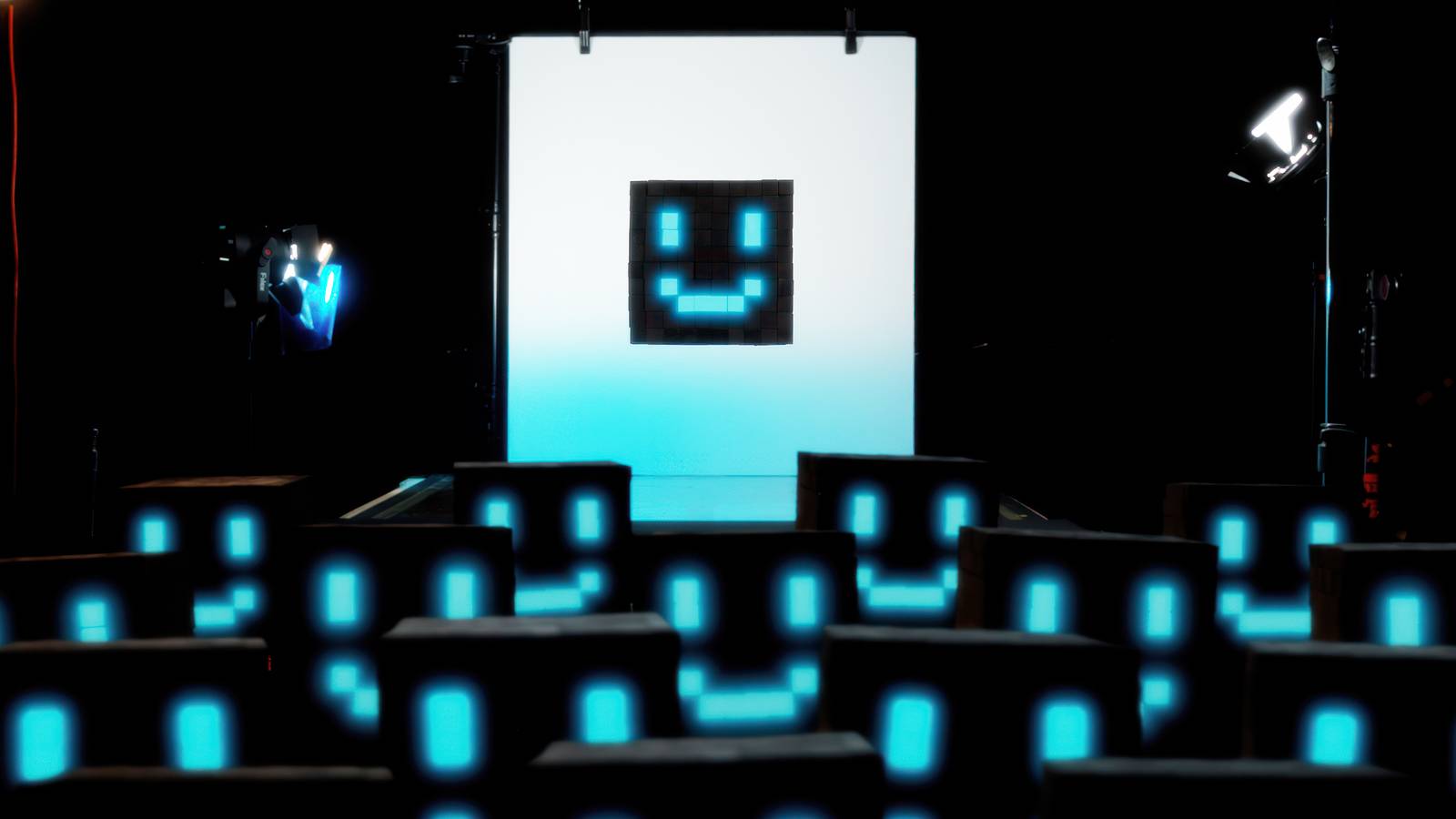
In the whirlwind of premieres at this year's South by Southwest festival, one project stood out for its urgent, real-world stakes: The AI Doc: Or How I Became an Apocaloptimist. Produced by Daniel Kwan, the Oscar-winning co-director of Everything Everywhere All at Once, the film serves as a deep investigation into the chaotic frontier of artificial intelligence. Kwan, alongside producers Ted Tremper and Diane Becker, recently opened up about the chilling insights gathered from speaking with the architects of our potential future.
A Quest for Understanding in Uncharted Territory
Co-directed by Charlie Tyrell and Daniel Roher, the documentary follows Roher, an expectant father, as he embarks on a global quest. His mission is to comprehend the staggering pace of AI development by interviewing the field's leading pioneers, from Silicon Valley engineers to ethical activists. The film aims to map the entire ideological landscape of a technology that is simultaneously promising and perilous.

"We designed it to be the perfect first date for this topic," Kwan explained. "For anyone who's been avoiding the conversation or doesn't know where to start, this is your entry point. We managed to secure conversations with nearly all the key players—the architects, the CEOs, the ethicists. It's a comprehensive snapshot of a critical moment, just as AI is exploding into every corner of our society."
Building Trust, One Interview at a Time
The production process itself revealed the guarded nature of the AI world. What was initially planned as an eight-month project ballooned to two and a half years. "We sent out about 90 interview requests and got six yeses," Tremper recounted. From that handful of contacts, the team painstakingly built a network, conducting over 40 on-camera interviews and more than 100 background conversations, resulting in 3,300 pages of transcripts.
"My job was to learn everything—the technology, the people, the competing ideologies," Tremper continued. "We developed confidential sources inside every major AI lab. The one thread of hope? Even within labs moving faster than their own employees wanted, the consensus was that people could leave and speak out if they needed to."
The Alarming Consensus: "No Adults in the Room"
The most unsettling revelation from the documentary is a profound lack of oversight. Kwan shared that many Silicon Valley insiders privately confessed fears that development is moving too quickly, but feel powerless to stop it due to competitive and geopolitical pressures. The sentiment, as one insider framed it, is: "If our company doesn't do it, another will. If the U.S. doesn't, China will."
This buck-passing extends to the halls of government. "When these concerned experts went to Congress," Kwan said, "lawmakers agreed the technology was scary and needed regulation, but cited gridlock, a lack of understanding, and insufficient public pressure. They told Silicon Valley to solve its own problem. Everyone is pointing fingers. The stark reality is, there are no adults in the room." This theme of chilling responsibility echoes in other projects that explore systemic failures, much like Amanda Seyfried's portrayal in 'The Dropout'.
From Sci-Fi Warning to Real-World Blueprint?
The documentary positions itself as a modern-day cautionary tale, joining the ranks of films like The Terminator and The Matrix. But unlike those fictional stories, the questions it raises are immediate and pressing: How close are we to Artificial General Intelligence (AGI)? What does the AI "arms race" mean for global security? How will it reshape millions of jobs? Kwan and his team explore these issues while also detailing the formation of a Creators Coalition on AI, aiming to build a collective voice for responsible innovation.
For Kwan, who also shared a brief update on his next feature film with collaborator Daniel Scheinert, the documentary is a work of "apocaloptimism"—facing a frightening future with clear eyes, but not without hope. As audiences grapple with AI's role in creative fields, from writing to visual effects, the conversation mirrors the industry shifts seen in projects like the animated world of 'Hoppers', where craft evolves with new tools. The central, haunting question remains: Is it too late to steer this technology toward a safe and equitable future, or are we merely passengers on a runaway train?