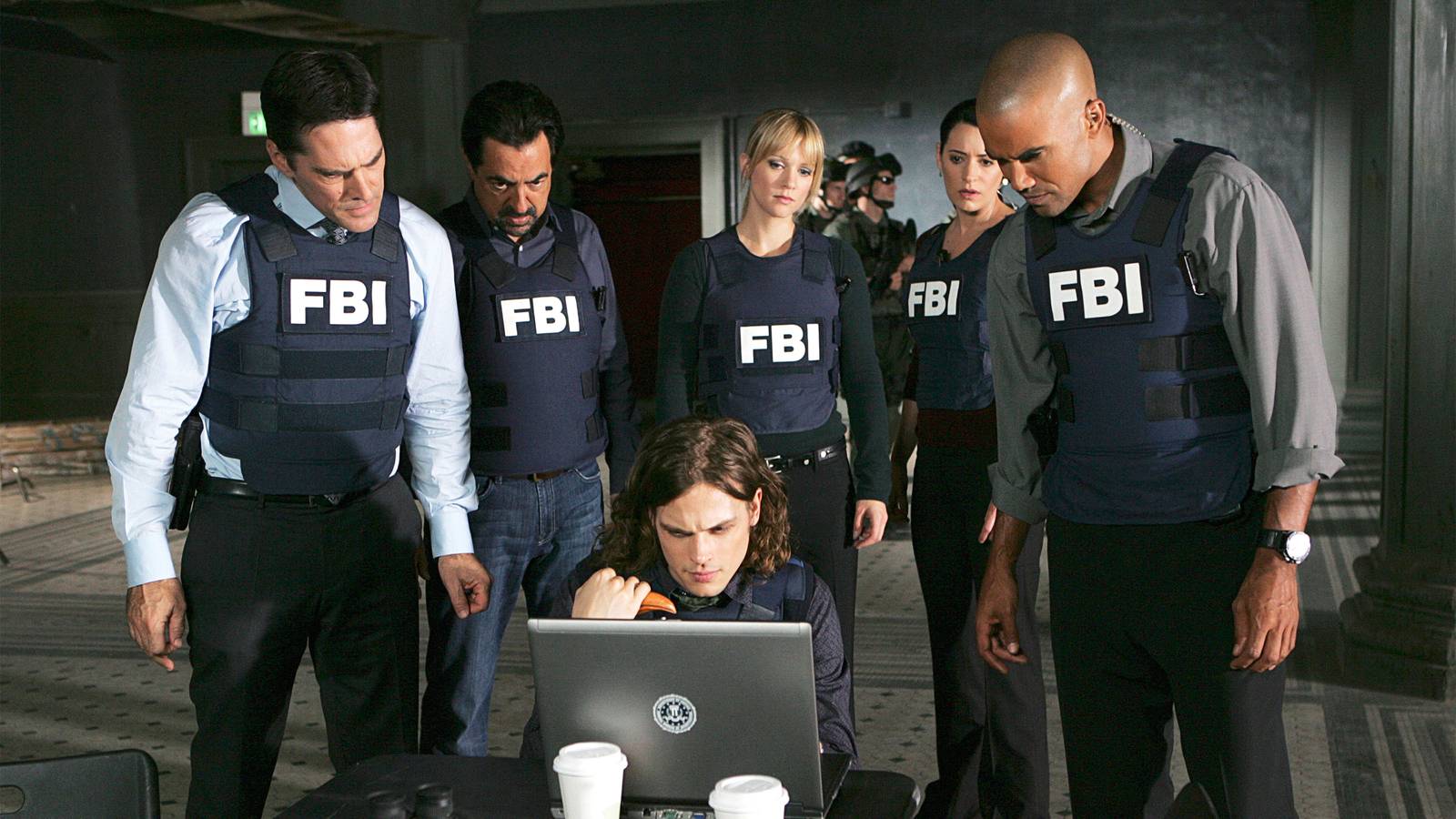
Sixteen years after it first aired, Criminal Minds' 100th episode, "100," remains the series' emotional peak — a brutal, gut-wrenching hour that proves the show could do far more than shock with gore. It's the episode where the BAU's leader, Aaron Hotchner, faces his worst nightmare, and the result is 42 minutes of television that still leaves a mark.
The episode, which originally aired in November 2009, brings the Reaper storyline to a devastating conclusion. George Foyet (C. Thomas Howell) has been tormenting Hotch since Season 4's "Omnivore," and by the time "100" begins, the FBI agent has done everything in his power to shield his family. But it's not enough. The episode opens with the BAU under internal investigation, a clear sign that something has gone terribly wrong, and then rewinds to show how Foyet outsmarted the U.S. Marshal protecting Hotch's ex-wife Haley (Meredith Monroe) and their son, Jack.
Foyet's obsession with Hotch is personal. He's a killer who thrives on control, and when Hotch refuses to play his game, the Reaper turns his attention to the one thing Hotch can't protect: his family. After attacking the marshal and stealing his phone, Foyet tricks Haley into letting him inside, posing as her new protector. The BAU races to find her, but Foyet is always one step ahead.
What makes "100" so devastating isn't the violence — it's the helplessness. Hotch is forced to listen over the phone as Foyet confronts Haley, knowing exactly what's about to happen. Haley, in a heartbreaking moment, asks Hotch to tell Jack how they met, so their son will still believe in love. It's a request that acknowledges her own death while trying to give her child a future. Hotch, struggling to stay composed, does his best to honor her wish, even as he hears the gunshots that end her life.
The episode wisely keeps the camera away from the actual murder. The sound is enough. Hotch's composure, the thing that defines him, shatters in an instant. Thomas Gibson delivers his finest performance in the series, showing the immense effort it takes for Hotch to remain controlled — and the explosive release when he finally confronts Foyet. He finds Haley's body, spots Foyet hiding, and unloads his gun. Foyet survives because of a bulletproof vest, and the two men fight hand-to-hand. Even after Foyet surrenders, Hotch keeps beating him until Morgan (Shemar Moore) pulls him away. It's an ugly, deliberate scene that answers a question the show has asked since its pilot: can you hunt monsters without becoming one? The answer, here, is a resounding yes — but at a cost.
Showrunner Ed Bernero specifically wanted the 100th episode to explore that theme, and the decision to have Hotch nearly kill Foyet with his bare hands — rather than a knife, as in an earlier draft — makes the point impossible to miss. The episode's structure, which reveals the tragedy upfront, turns it into a countdown that makes every scene more painful. While some plot points require a suspension of disbelief — Foyet's near-invincibility, Haley's trust in a stranger — none of that diminishes the emotional impact.
Haley's death changes Hotch permanently. The BAU doesn't just move on to the next case; their leader has lost someone he loved because of the monster he was hunting. "100" remains the show's emotional benchmark, a reminder that understanding evil isn't always enough to stop it. For fans of the series, it's an episode that still hurts — and that's exactly why it's so powerful.
If you're looking for more shows that explore the psychological toll of hunting monsters, check out David Fincher's Mindhunter, which remains the gold standard in the genre. And for another devastating TV moment, Samwise's speech in The Two Towers still defines fantasy 24 years later.