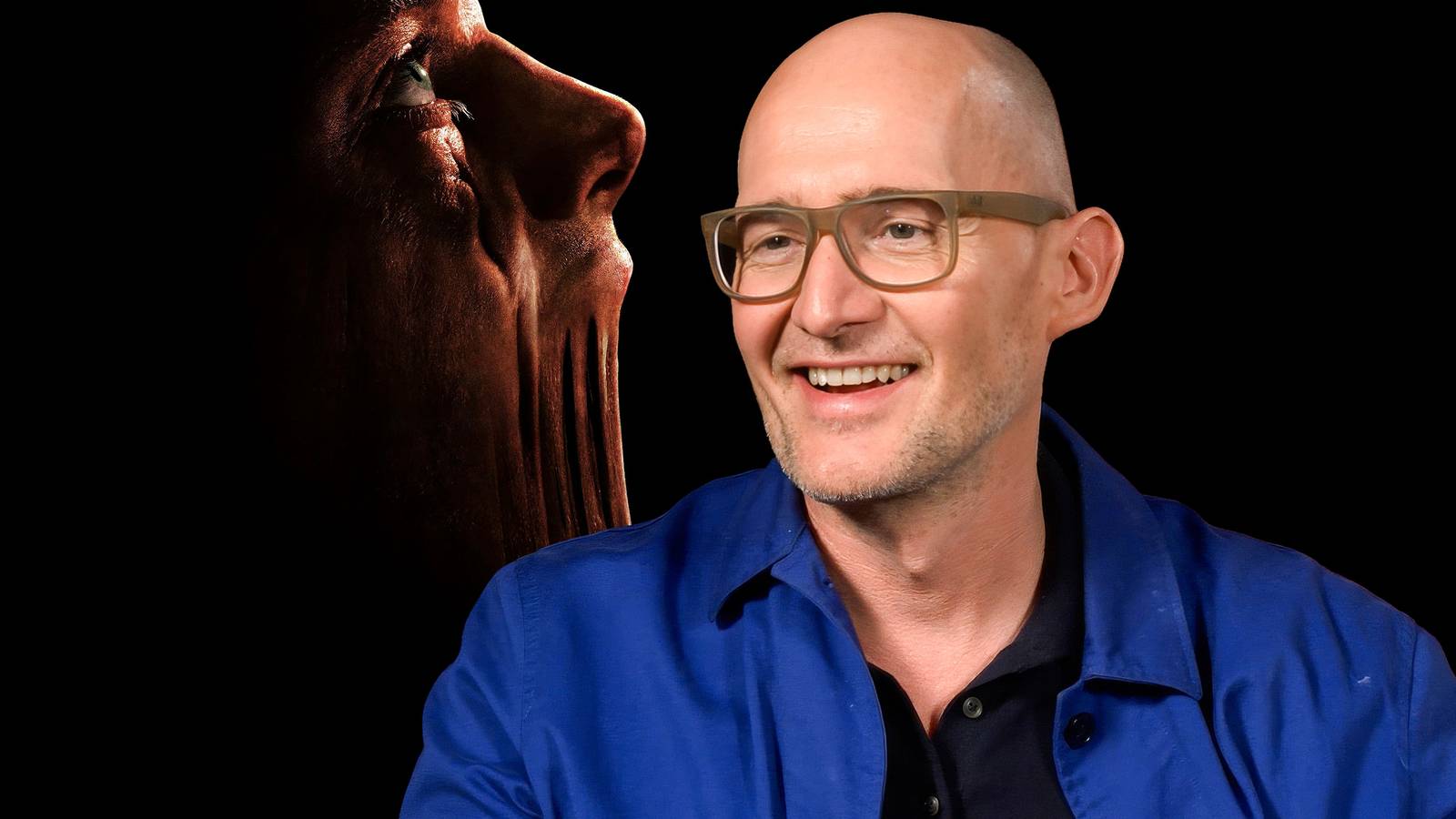
When James Gunn and Peter Safran set out to build the new DC Universe, they knew they needed a bold entry point. Enter Clayface, a body-horror origin story for one of Batman's most tragic villains. Directed by James Watkins (Speak No Evil) from a script by Hossein Amini (Drive), the film not only introduces audiences to Matt Hagen's gruesome transformation but also serves as the first cinematic glimpse of Gotham City in the DCU. And according to Watkins, the creative freedom he was given was unprecedented.
In an exclusive interview with Collider, Watkins revealed that Gunn and Safran offered "no mandates at all" when it came to designing Gotham. "They just let me run with it," he said. This trust allowed Watkins and his production designer, James Price (Oscar winner for Poor Things), to craft a version of the city that feels both timeless and deeply corrupted—a place where the grime is almost a character in itself.

The film stars Tom Rhys Harries as Matt Hagen, a Hollywood leading man who rises from the streets of Gotham only to be violently disfigured by a crime boss. Desperate for a cure, he undergoes experimental treatments that heal his body but send him spiraling into madness and revenge. It's a tragic arc that Watkins wanted to ground in a visceral, tangible world.
A Gotham Like No Other
Watkins described his vision for Gotham as "a real world, but a real world where you feel the corruption." He and Price drew inspiration from German Expressionist cinema of the 1930s, where buildings loom ominously over tiny figures, and from gritty street photography of New York City before its 1980s cleanup. "We wanted that grimy poetry," Watkins explained, citing the neon reflections and the dirt that clings to everything.
The production shot on location in Liverpool, a city with architecture that influenced early New York. "People went from Liverpool to New York and built it in their image," Watkins noted. This choice gave the film an authentic, lived-in feel that a studio-bound set might lack. Even the smallest details were considered—like the statue of Lady Justice atop the law courts, covered in bird droppings, a subtle symbol of a broken system.
Vintage Cinematography and Audience Squirms
Watkins also discussed his decision to shoot with 1970s Panavision anamorphic lenses and an ultra-wide aspect ratio. "It takes away the digital plasticity you often see now," he said, adding that it gives the film an old-school, epic feel. He cited Sergio Leone's Once Upon a Time in the West as a major influence on his framing, using the wide frame to tell stories through spatial relationships.
For Watkins, the film's graphic body horror is intentional. "You want to give them a delicious squirm," he said, comparing the audience's reaction to a roller coaster ride. "When you hear that nervous laughter, you know you've taken them to the edge." He believes the film is best experienced in a crowded theater, where collective gasps and giggles amplify the tension.
Fans of the DCU will also want to keep an eye out for Easter eggs. Watkins revealed that production designer James Price packed the frame with hidden details—street names, signage, and other nods to Batman lore. "You could pause the film in quite a few places," he teased.
Clayface is already generating buzz, with early reactions calling it "freakishly awesome." As the DCU continues to expand, this film sets a bold tone for what's to come. For more on the film's first reactions, check out our early buzz roundup. And if you're curious about other upcoming DC projects, Peter Safran confirms Swamp Thing is still in development.
With its gritty aesthetic and uncompromising vision, Clayface promises to be a standout entry in the DCU. Watkins' passion for the project is evident, and his collaboration with Gunn and Safran has clearly paid off. As he put it, "You want to give people a reason to go to the cinema." And with this film, he certainly has.