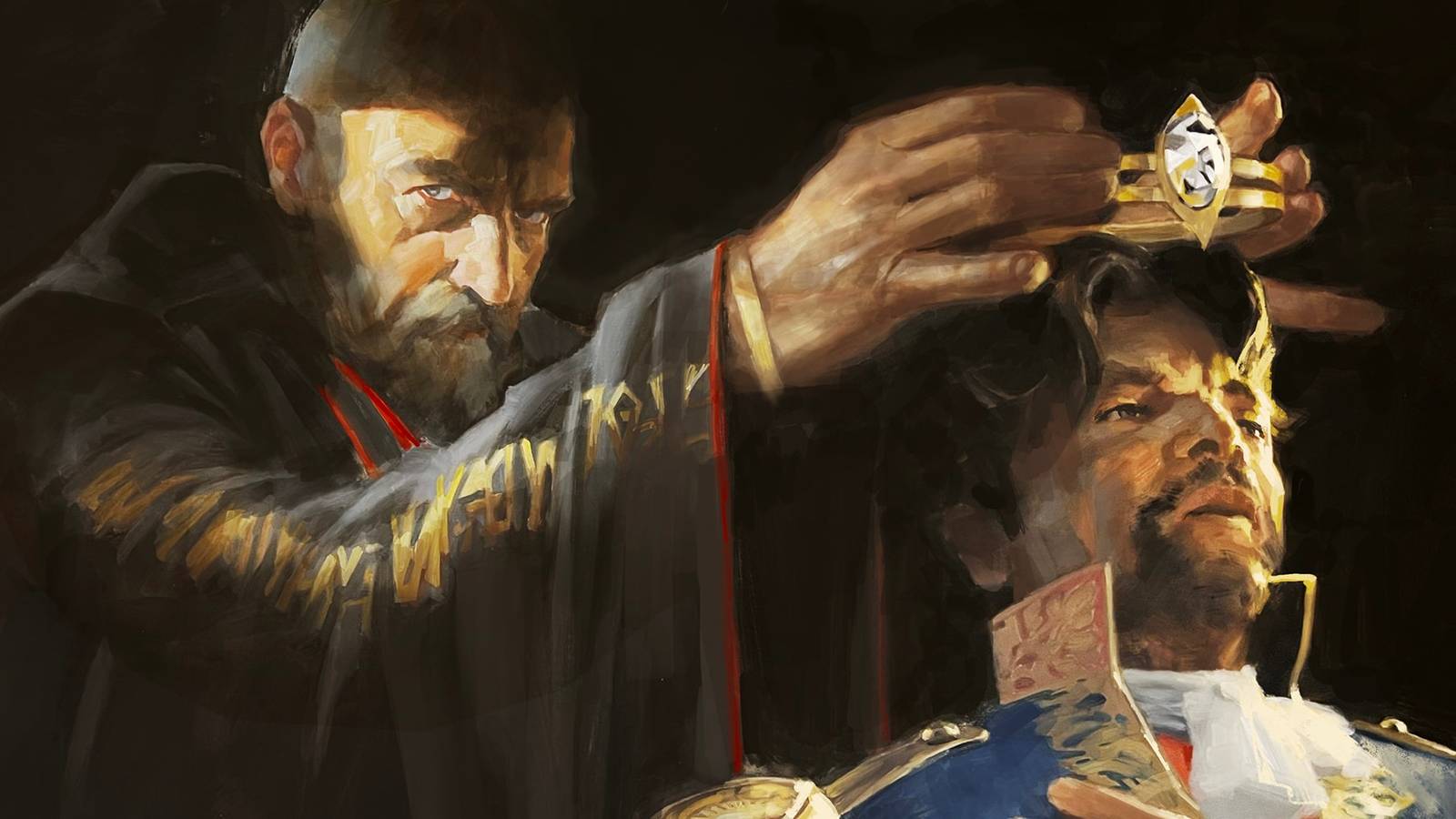
Fantasy literature often conjures images of heroic quests, magical realms, and triumphant good over evil. But some of the most memorable works in the genre take a radically different path—one that leads through despair, nihilism, and unrelenting darkness. These are the books that don't just flirt with gloom; they embrace it fully, crafting worlds where hope is a scarce commodity and every victory feels hollow. Their bleakness isn't a flaw—it's a feature, making them stand out as powerful, thought-provoking masterpieces.
From the Gothic corridors of Gormenghast to the brutal battlefields of grimdark, these six novels prove that fantasy can be as devastating as it is imaginative. They challenge readers to confront uncomfortable truths about power, humanity, and the futility of change. Whether you're a seasoned fantasy fan or a newcomer looking for something darker, these books offer an experience that lingers long after the final page.

Titus Groan (1946)
Mervyn Peake's Titus Groan is a foundational work of Gothic fantasy, set in the vast, decaying fortress of Gormenghast. The story follows the birth of Titus, the heir to the castle, and the rise of a scheming kitchen boy named Steerpike, who manipulates his way toward power. Peake's prose is dense, poetic, and suffused with a sense of decay that permeates every stone of the castle. Unlike many dark fantasies that rely on monsters or supernatural evil, Titus Groan builds its bleakness from isolation, ritual, and a profound sense of meaninglessness. The inhabitants are grotesque, the humor is dark, and the atmosphere is claustrophobic. It's a masterpiece that feels decades ahead of its time, and its influence can be seen in countless works that followed.
The Court of Broken Knives (2017)
Anna Smith Spark has earned the nickname "Queen of Grimdark" for good reason. Her debut, The Court of Broken Knives, is a brutal, poetic descent into a world of political intrigue, violence, and despair. The plot follows a disillusioned politician who plots to overthrow a corrupt emperor, but the real story lies in the visceral, unflinching portrayal of trauma, addiction, and genocide. Spark's prose is hypnotic, almost lyrical, which makes the darkness even more unsettling. She offers no easy redemption arcs or silver linings—just a stark, unvarnished look at the worst of human nature. For readers who want their fantasy with a heavy dose of nihilism, this is a must-read.
Last Argument of Kings (2008)
Joe Abercrombie's Last Argument of Kings is the concluding volume of the First Law trilogy, a cornerstone of grimdark fantasy. The book follows the collapse of the Union as it faces invasions from multiple fronts, but the real battle is internal. Abercrombie masterfully deconstructs the classic hero's journey, revealing that change is an illusion and power inevitably corrupts. Characters who seemed destined for greatness end up broken or worse, and the ending is as bleak as it is brilliant. Abercrombie's writing is sharp, darkly humorous, and unafraid to punish both his characters and his readers. It's a fitting conclusion to a series that redefined the genre's boundaries.
Between Two Fires (2012)
Christopher Buehlman's Between Two Fires is a historical horror fantasy set during the Black Death in 14th-century France. The story follows a disgraced knight, a young girl who may be a saint, and a priest as they journey through a landscape ravaged by plague and supernatural horrors. Buehlman's world is relentlessly grim, with no respite from the death and despair that surrounds the characters. The bleakness serves a purpose, though—it highlights the contrast between faith and doubt, and the possibility of redemption in the face of utter devastation. This is a book that doesn't shy away from the darkest aspects of human existence, making it an unforgettable read.
The Great Ordeal (2016)
R. Scott Bakker's The Great Ordeal is the third book in the Aspect-Emperor series, a continuation of his Prince of Nothing trilogy. Bakker's world is one of philosophical nihilism, where the characters are trapped in a cycle of violence and manipulation by forces beyond their control. The book follows the Great Ordeal, a massive military campaign against an ancient evil, but the journey is as much internal as external. Bakker's prose is dense and intellectual, exploring themes of consciousness, free will, and the nature of evil. The bleakness here is not just atmospheric—it's philosophical, challenging readers to question the very foundations of morality and hope.
The Darkness That Comes Before (2003)
While not listed in the original excerpt, The Darkness That Comes Before is the first book in Bakker's Prince of Nothing trilogy and sets the stage for the bleakness of The Great Ordeal. It introduces a world where prophecy is a tool of manipulation, and the characters are pawns in a cosmic game. The book is dense with political intrigue, religious fanaticism, and brutal violence, all rendered in prose that is both beautiful and unsettling. Bakker's vision is unrelentingly dark, but it's also intellectually stimulating, making it a favorite among readers who appreciate fantasy that challenges the mind as much as the heart.
These six novels—and their companions—represent the pinnacle of bleak fantasy. They are not for the faint of heart, but for those willing to embrace the darkness, they offer some of the most powerful and memorable experiences the genre has to offer. Whether you're drawn to the Gothic decay of Peake, the grimdark brutality of Abercrombie, or the philosophical despair of Bakker, these books will leave an indelible mark on your literary soul. For more recommendations, check out our list of top science fantasy books or explore books so perfect you'll want to start them again.