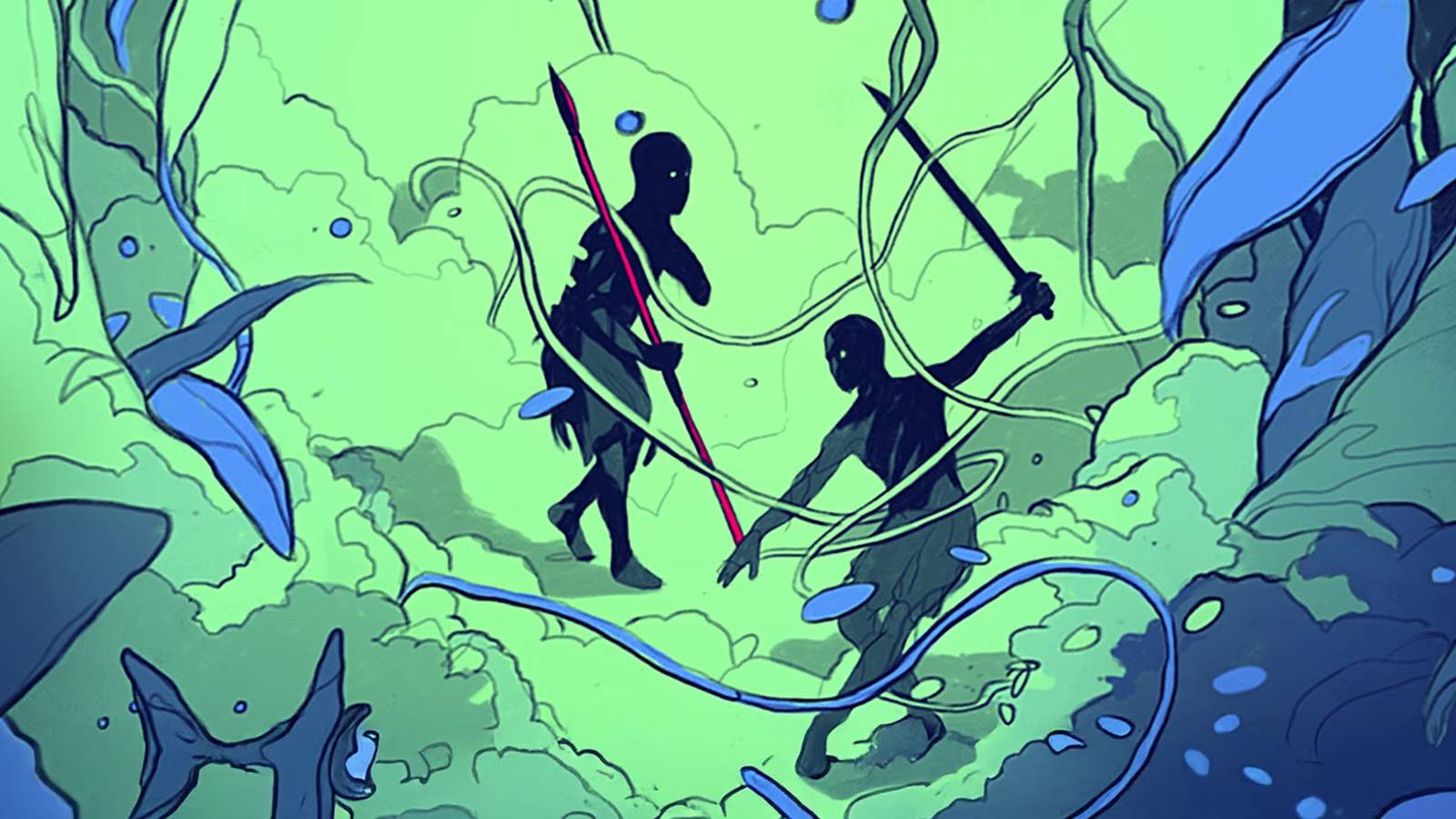
For years, fantasy and science fiction have been treated like rival siblings—one obsessed with dragons and destiny, the other with spaceships and logic. But the best stories often live in the messy middle, where magic feels technological and technology feels magical. These six novels, all published since 2000, don't just blur the line—they erase it, offering worlds that defy easy categorization and reward readers who embrace the chaos.
6. The Book of M by Peng Shepherd
Imagine waking up one day to find your shadow missing—and with it, a chunk of your memory. That's the haunting premise of Peng Shepherd's debut, where people begin losing their shadows and, along with them, pieces of their identity. When a man forgets his wife exists, she literally starts fading from reality. The story follows Ory as he searches for Max, who fled to protect him from the effects of her own memory loss.

Shepherd never explains the mechanics—no scientific jargon, no magic system. Instead, she crafts a dreamlike apocalypse where forgetting is enough to unmake the world. It's a meditation on memory and love that lingers long after the final page.
5. The City of Brass by S. A. Chakraborty
Set in 18th-century Cairo, this novel introduces Nahri, a con artist who accidentally summons a djinn warrior during a fake exorcism. That mistake pulls her into Daevabad, a hidden city rife with political tension between djinn tribes and the marginalized half-bloods. Chakraborty's deep research into Islamic folklore shines, making the magic feel authentic and the politics razor-sharp. This isn't just a fantasy adventure—it's a story about caste, prejudice, and the cost of power.
4. The Fifth Season by N. K. Jemisin
Jemisin's masterpiece opens on a world perpetually on the brink of apocalypse, where catastrophic 'Seasons' regularly wipe out civilizations. The story follows orogenes—people who can control seismic energy—who are either enslaved or killed by the state. The novel's structure, weaving three timelines that converge in a stunning reveal, is a testament to Jemisin's craft. It won the Hugo Award for Best Novel three years running, a feat no other author has matched.
3. Gideon the Ninth by Tamsyn Muir
Gideon, a foul-mouthed swordswoman, is forced to serve as bodyguard to Harrowhark, a necromancer she despises. Together, they travel to a decaying gothic palace for a deadly trial against other necromancer houses. What follows is a locked-room murder mystery wrapped in sword fights and ancient magic. Muir's irreverent voice—think memes colliding with skeleton armies—makes this a wild, unforgettable ride.
2. Harrow the Ninth by Tamsyn Muir
The sequel to Gideon the Ninth is a bold departure, told in second person and following a narrator whose memories have been deliberately altered. Harrowhark barely recognizes her own story, and neither does the reader—a deliberate choice that mirrors grief's effect on memory. It's disorienting on first read, but a second pass reveals the emotional core beneath the confusion. This is a book that rewards patience and rereading.
1. The Spear Cuts Through Water by Simon Jimenez
At the top of our list is Simon Jimenez's epic, which follows a soldier and a runaway demigod prince transporting an imprisoned goddess across a war-torn land. The story is framed as a myth told aloud to a grandchild, turning the novel into a performance. Jimenez's prose feels like oral storytelling, with interruptions from the audience woven into the text. It's a breathtaking blend of fantasy and literary innovation that redefines what the genre can do.
These novels prove that science fantasy isn't a compromise—it's a playground. For more genre-bending reads, check out our list of books you'll want to reread instantly or dive into HBO's epic fantasy adaptation. And if you're in the mood for something lighter, our funniest movie scenes might be just the ticket.