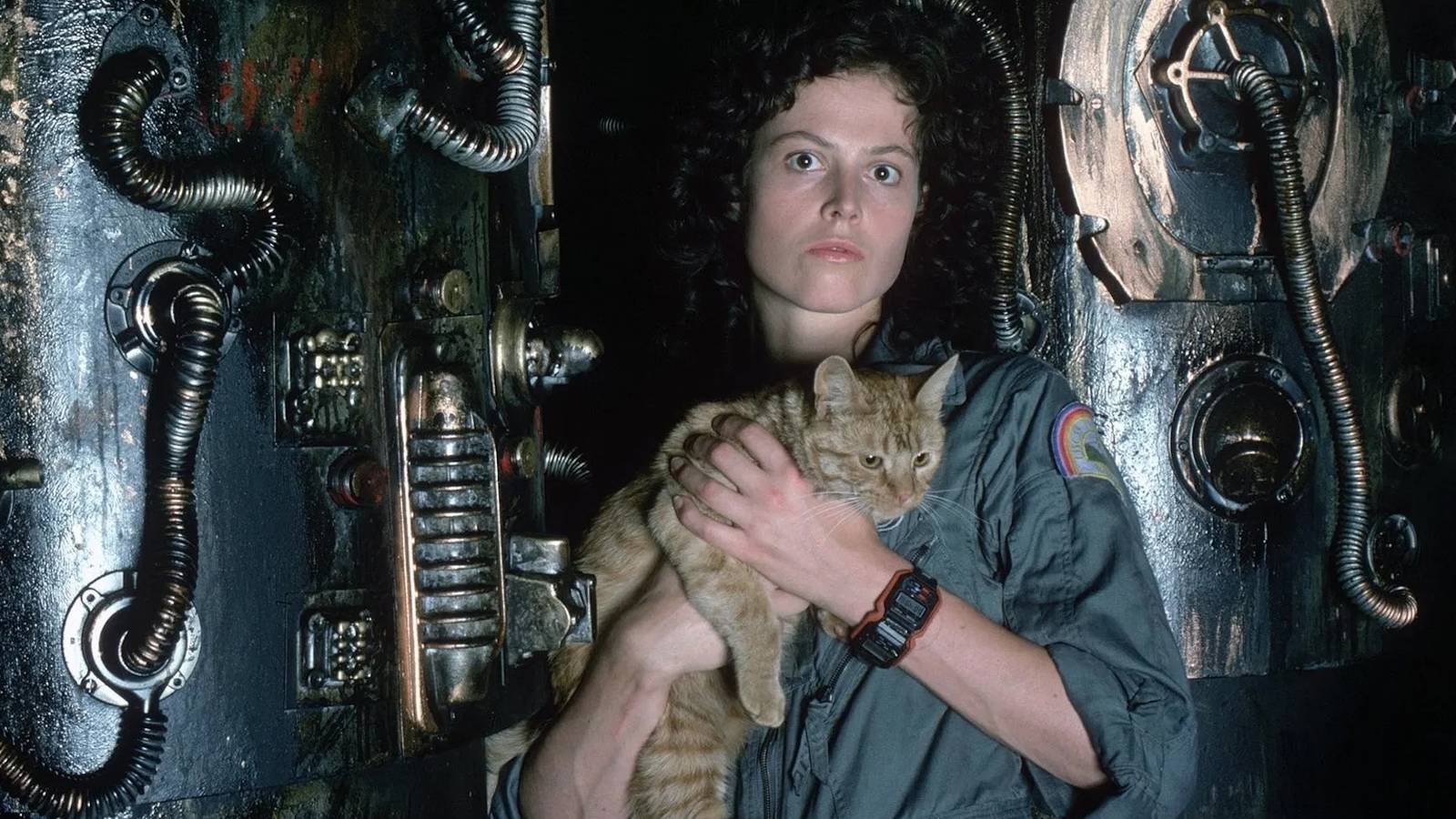
For many, the phrase "sci-fi horror" instantly conjures the chilling, claustrophobic terror of Ridley Scott's 1979 landmark, Alien. With its unforgettable tagline and Sigourney Weaver's star-making turn as Ellen Ripley, the film set a gold standard for blending deep-space dread with visceral horror. Its legacy is undeniable, but within the genre's pantheon, a handful of films have managed to ascend to even loftier heights of artistic achievement and enduring impact.
The Thing (1982)
John Carpenter's The Thing faced a famously hostile reception upon its release, overshadowed by the era's more optimistic alien stories. Critics, including the usually reliable Roger Ebert, initially dismissed it as a mere "gross-out" spectacle. Time, however, has delivered a stunning vindication. Now celebrated as perhaps Carpenter's finest work, the film is a masterclass in paranoia and practical effects. Its story of an Antarctic research team being infiltrated by a shape-shifting entity creates unbearable tension, questioning whether the true monster is the external threat or the suspicion it breeds among the crew.

The Fly (1986)
David Cronenberg's The Fly transcends its body-horror roots to deliver one of cinema's most tragic love stories. Jeff Goldblum gives a career-defining performance as scientist Seth Brundle, whose experiment fuses his DNA with that of a common housefly. As his body horrifically deteriorates, the film becomes a powerful allegory for terminal illness, anchored by the heartbreaking relationship between Brundle and journalist Veronica Quaife (Geena Davis). The Oscar-winning makeup effects are legendary, but it's the profound human sadness at the film's core that has cemented its status as a masterpiece, much like the quiet dread found in classics such as 'The Stepford Wives'.
Aliens (1986)
This entry might seem like a technicality, but James Cameron's sequel, Aliens, is so transformative it earns its place. Taking the blueprint of Scott's original, Cameron injected it with relentless, pulse-pounding action, creating one of the most intense cinematic experiences ever made. Sigourney Weaver's return as Ripley—now a fierce maternal protector—earned a rare Oscar nomination for a genre performance and remains iconic. The film brilliantly expands the universe while deepening its emotional stakes. For fans of non-stop tension, Aliens is a benchmark, similar to the relentless pace of the films listed in our feature on action movies that never let up.
What unites these three films is their ability to use sci-fi and horror as frameworks to explore deeply human themes: the fragility of trust in The Thing, the agony of loss in The Fly, and the ferocity of survival in Aliens. They prove that the greatest genre films offer more than just scares; they offer a reflection of our own fears and desires.
The legacy of these titans continues to influence new releases. Recent hits like 'Alien: Romulus' or the streaming revival of Rebecca Ferguson's 'Life' show the enduring appetite for smart, character-driven sci-fi horror. While Alien will always be the foundational nightmare, The Thing, The Fly, and Aliens represent the pinnacle of what the genre can achieve when its ambitions are as vast as the cosmos it so often portrays.