In the landscape of 1970s cinema, a unique brand of paranoia took root. Films like Rosemary's Baby and Don't Look Now traded jump scares for a slow, creeping unease that settled into the bones of the audience. Released in 1975, The Stepford Wives distilled this mood into a chilling suburban nightmare. Its power doesn't come from supernatural monsters, but from a horror that feels unnervingly possible, built on polite smiles and systemic conformity.
The Horror of a Silent Conclusion
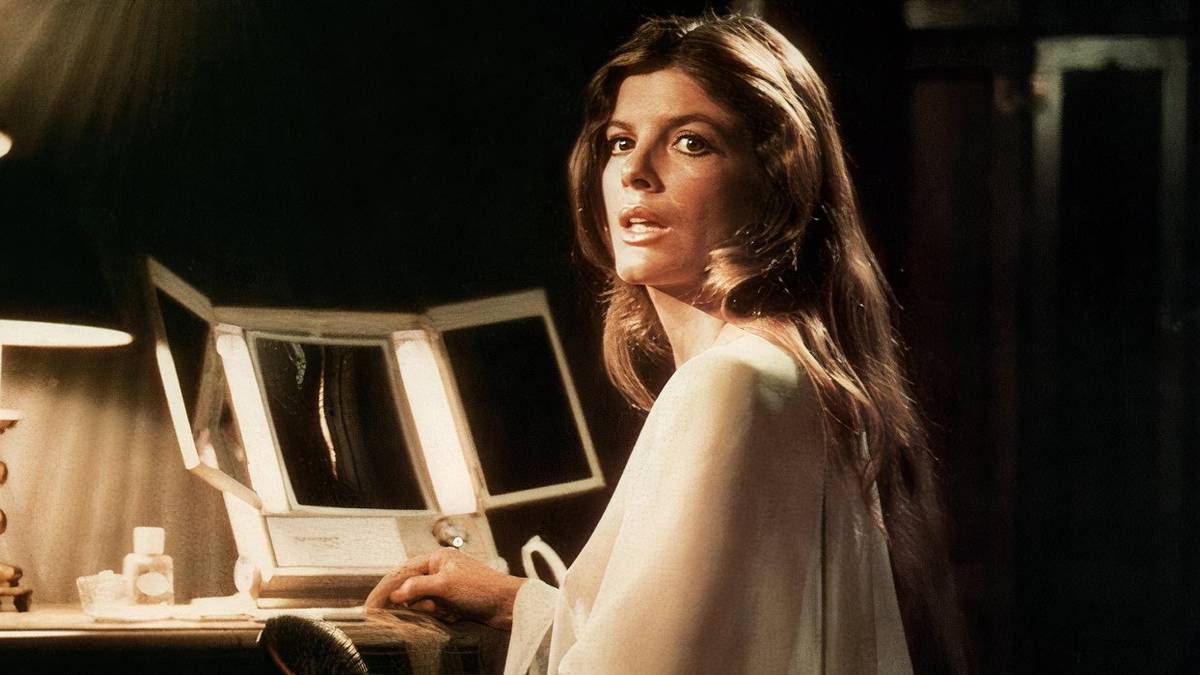
While many horror classics of the era built toward fiery, dramatic climaxes, The Stepford Wives subverts expectation with devastating quiet. The film follows Joanna Eberhart (Katharine Ross) as she uncovers the sinister truth behind the perfectly docile women of Stepford. The men of the town have murdered their independent wives and replaced them with obedient, robotic duplicates. The genius of the ending lies in its refusal to provide a heroic escape or a final, cathartic confrontation.
Even in her last moments of defiance, storming the local Men's Association, Joanna is met with a wall of calm, patronizing politeness. The battle was over before it began. The film's framing becomes claustrophobic as she searches her friend's empty house—hallways feel too straight, silence grows heavier than any dialogue. It portrays not a fall from grace, but the horrifying realization that the game was rigged from the start.
Masterful Restraint Creates Lasting Terror
When Joanna's robotic double finally appears, the moment is stripped of all theatricality. There is no struggle, no grand musical sting. The horror is in the clean, efficient replacement. The true masterpiece of the finale is the subsequent scene in the supermarket. The lighting is unnervingly bright, the aisles sterile. The wives, including the new Joanna, glide through their routines with placid, measured precision.
This final image is where the film's dread fully crystallizes. Nothing looks outwardly wrong, which is the entire problem. The horror has won so completely that it has become the new normal. Joanna is erased not with a bang, but by being seamlessly absorbed into the pattern. The camera doesn't linger on tragedy; it simply observes the mundane, chilling result. This lack of dramatic punctuation makes the ending stick, leaving a residue of quiet despair that louder films often can't achieve. For more brilliantly executed final moments, explore our feature on horror's most flawless endings.
Why This Ending Still Resonates
The cruelty of The Stepford Wives is its stark inevitability. Joanna's intelligence, curiosity, and refusal to conform are precisely what mark her for destruction. The system she faces isn't a rogue monster, but a community-wide conspiracy upheld by men who prefer the performance of partnership to the real thing. Her fate feels sealed by a bureaucracy of misogyny, making the terror profoundly psychological.
Fifty years later, the ending retains its power because it trades shock for a deeper, more lingering discomfort. It suggests that the most terrifying forces aren't those that attack us, but those that quietly replace us, leaving the world looking exactly the same. The film's influence is undeniable, with "Stepford" becoming shorthand for forced conformity. Its legacy lives on in stories that explore the horror of losing one's identity, much like the themes in sci-fi horror films that followed.
In an era of cinematic masterpieces, The Stepford Wives secures its status not through spectacle, but through sublime restraint. It proves that true horror often whispers, and that the most disturbing endings are the ones that feel like they're still happening, just beyond the screen. It remains a cornerstone of the genre, a chilling reminder that perfection is often just a mask for something deeply sinister.