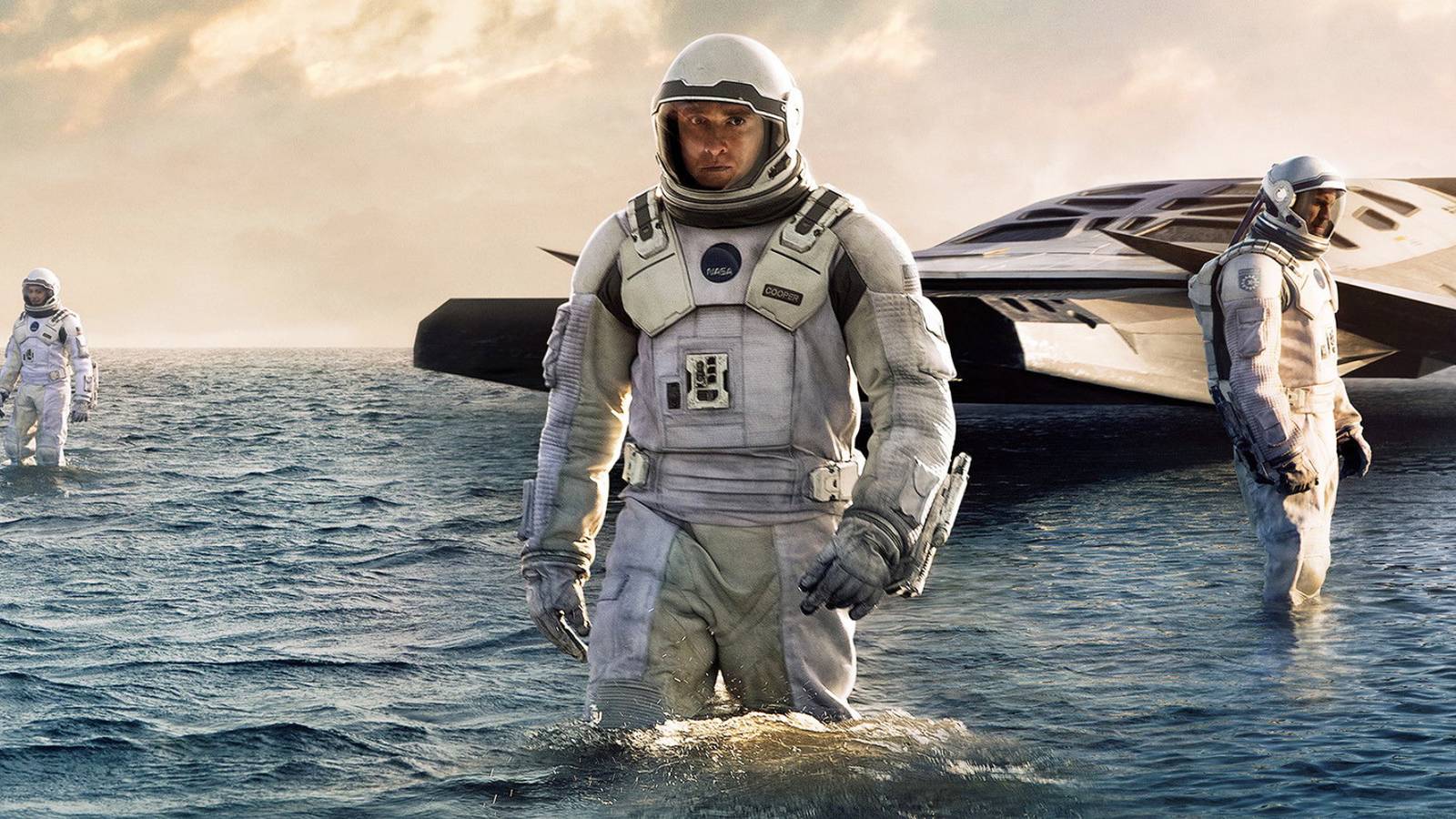
Christopher Nolan has cemented his status as a master of cinematic spectacle, with his 2014 epic Interstellar standing as a towering achievement in modern science fiction. The film's grand vision of astronauts searching for a new home for humanity, wrapped in mind-bending theories of time and space, continues to captivate audiences. It's a benchmark for ambitious storytelling. Yet, even among such revered company, a select few sci-fi films from the 21st century have managed to carve out a space that feels even more essential, innovative, or emotionally resonant.
3. District 9 (2009)
Arriving with the force of a cultural shockwave, Neill Blomkamp's District 9 redefined what a sci-fi film could be. Using a gritty, mockumentary style, it presents a Johannesburg where alien refugees are confined to a slum, creating a blisteringly direct allegory for xenophobia, apartheid, and class struggle. Far from a distant space opera, its power lies in its visceral, grounded approach. The film masterfully blends social commentary with gripping body horror, as a bureaucrat's exposure to alien biotechnology forces a terrifying transformation. Made on a modest budget, its raw energy and fearless perspective make it a landmark work. For fans of thought-provoking genre films, it remains a pinnacle of dystopian storytelling.

2. WALL-E (2008)
Pixar's silent robot love story is a deceptively deep masterpiece of environmental and social science fiction. In a future where humanity has abandoned a trash-covered Earth, the lonely waste-compactor WALL-E's journey sparks a profound meditation on consumerism, sustainability, and what makes us human. Its breathtaking first act, with minimal dialogue, is a feat of visual storytelling rarely matched in animation or live-action. While delivering immense charm and heart, WALL-E tackles weighty themes with a clarity and emotional punch that resonates across all ages. It stands as proof that the most family-friendly films can also be the most intellectually ambitious, securing its place not just as a great animated film, but as one of the century's defining sci-fi narratives.
1. Children of Men (2006)
Alfonso Cuarón's harrowing vision of a world facing human extinction due to global infertility is a triumph of immersive, relentless filmmaking. Set in a bleak, politically fractured 2027 Britain, the film follows a cynical bureaucrat tasked with protecting the first pregnant woman in 18 years. Children of Men is renowned for its staggering, technically audacious long-take sequences that place the viewer directly in the chaos, creating an unparalleled sense of urgency and dread. Beyond its formal brilliance, the film explores hope, faith, and resilience in the face of societal collapse with devastating power. Its depiction of a crumbling world feels increasingly prescient, cementing its status as a modern classic. It's a film that, like other timeless treasures, only grows more potent with each viewing.
This isn't to diminish the cosmic grandeur of Interstellar, which remains a favorite for many and is currently rocketing back up streaming charts. However, District 9, WALL-E, and Children of Men each achieve something singular. They use the framework of science fiction not just for adventure, but as a razor-sharp lens to examine the most pressing issues of our time—xenophobia, ecological disaster, and societal decay—with unparalleled creativity and emotional force.
These three films demonstrate that the most enduring sci-fi often roots its biggest ideas in the most human experiences. They challenge viewers intellectually while delivering unforgettable cinematic journeys, proving that the genre's golden age is very much a present-day phenomenon. For those looking to explore more essential viewing from the era, our guide to sci-fi gems from the 2000s is the perfect next stop.