When AMC and showrunner Vince Gilligan announced a spin-off centered on Saul Goodman just two years after Breaking Bad ended, many were skeptical. The fast-talking lawyer, played by comedy veteran Bob Odenkirk, seemed too one-dimensional to carry his own series. Yet Gilligan and co-showrunner Peter Gould defied expectations, crafting Better Call Saul—a prequel that arguably surpassed its predecessor in emotional depth and character development. From the start, the show refused to glamorize crime, and its series finale, which aired on August 15, 2022, delivered a gut-punch that still resonates four years later.
Saul Goodman's Atonement in 'Saul Gone'
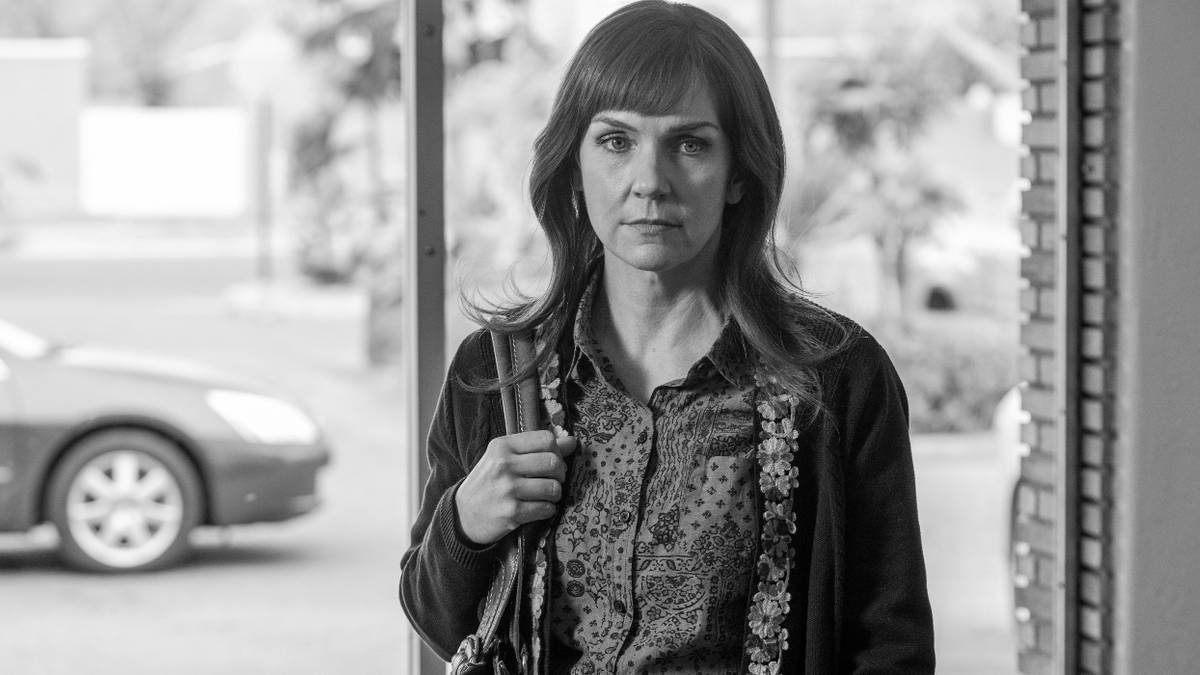
The finale, titled "Saul Gone," fast-forwards to a post-Breaking Bad timeline, eschewing fan service for a powerful exploration of Jimmy McGill's downfall. The stakes escalate dramatically after the shocking murder of Howard Hamlin (Patrick Fabian), a turning point that ends the fun for Jimmy and his wife, Kim Wexler (Rhea Seehorn). Shot in stark black-and-white, the final episodes carry a somber tone as Jimmy, now living as Cinnabon manager Gene Takovic in Omaha, confronts his past. Through flashbacks with his brother Chuck (Michael McKean) and Walter White (Bryan Cranston), the episode builds to a heart-wrenching reunion with Kim before Jimmy receives an 86-year prison sentence.
A Deeper Resonance: The Legacy of 'Better Call Saul'
Unlike Breaking Bad's finale, which leaned into Walter White's mythmaking, "Saul Gone" delivers a harsh reality check. Jimmy could have used his legal tricks to escape justice, but instead, he confesses to his crimes, including his indirect role in Chuck's suicide. The courtroom scene strips away any glamour, forcing Jimmy—and the audience—to accept the consequences of his choices. Seehorn's performance as Kim anchors the series, and her final scene with Jimmy is a masterclass in emotional restraint. In a bluff, Jimmy tells prosecutors that Kim has information about Howard's disappearance, unaware she's already confessed. It's a ploy to bring her back to Albuquerque, allowing her to witness his reform. This last con doubles as a gesture of love, closing the loop on their complex relationship.
Why the Ending Still Stings
The finale also features flashbacks where Jimmy asks Walt and Mike Ehrmantraut (Jonathan Banks) what they'd do over with a time machine. These moments highlight Jimmy's regret, but the true gut-punch comes when he asks Kim for forgiveness without pretending to be innocent. During their final smoke break in a holding cell, Jimmy's soul-baring confession is beautifully orchestrated. Yet, no matter how hard he tries to reinvent himself, his fellow prisoners will forever revere the legend of Saul Goodman—the lawyer who enabled Heisenberg's empire. The ending's power lies in its refusal to offer easy redemption; Jimmy must live with the infamy of his immorality. For fans of crime dramas, Better Call Saul's finale stands alongside other perfect endings, like those explored in our ranking of HBO shows that nailed their finales.
The Legacy of a Crime Drama Masterpiece
Four years later, Better Call Saul's ending remains a benchmark for how to conclude a crime saga. It refuses to glorify its protagonist, instead forcing him to face the weight of his actions. The show's legacy is one of moral complexity, where even a con man can seek redemption—even if he can never fully escape his past. For those revisiting the series, the finale's emotional impact is as sharp as ever, a testament to the storytelling prowess of Gilligan and Gould. If you're in the mood for more crime dramas, check out City of God arriving on Paramount+ this July or Margot Robbie's slick crime thriller 'Focus' hitting Paramount+.