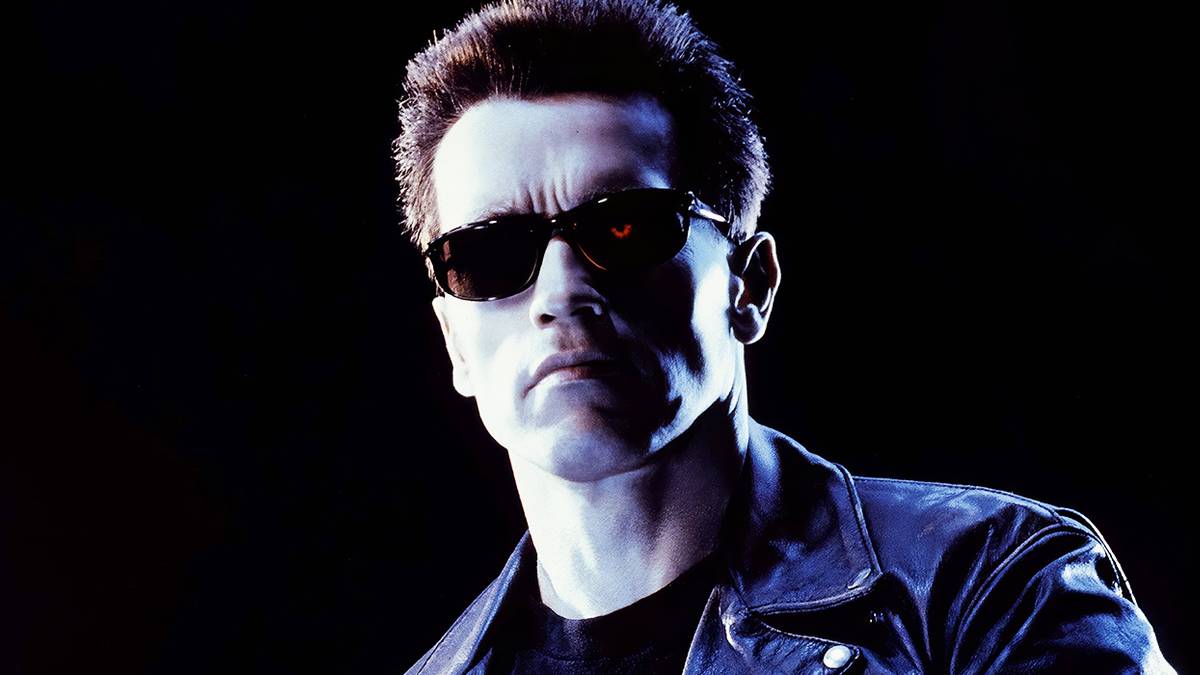
Long before Arnold Schwarzenegger's iconic "I'll be back," a silent French clown faced off against a mechanical menace. A recently rediscovered 1897 film by cinema pioneer Georges Méliès, Gugusse and the Automaton (also known as The Clown and the Automaton), has been confirmed as the earliest known robot in motion picture history—predating the previously believed first robot by 22 years.
The 45-second short, long considered lost, was found in a box of rusty reels that had been passed down through generations of a Michigan family. The journey began with William Delisle Frisbee, a Pennsylvania potato farmer and traveling showman who would haul a projector and phonograph from town to town, dazzling rural audiences with early cinema. The film ended up with his great-grandson, Bill McFarland, who brought the deteriorating reels to the Library of Congress' National Audio-Visual Conservation Center.
There, nitrate film expert George Willeman and his team painstakingly restored the fragile footage frame by frame. Among the reels were known works like Méliès' The Fat and Lean Wrestling Match and an early Edison film, but one reel bore a black star—the trademark of Méliès' Star Film Company. That star led to the stunning revelation: they had unearthed Gugusse and the Automaton.
The plot is simple yet startlingly prescient. Méliès plays a magician named Gugusse who uses a crank on a pedestal to animate a clown-like automaton. The robot begins to march and swing its arms, but soon grows in size and attacks its creator with a walking stick. Gugusse retaliates with a giant sledgehammer, shrinking the automaton with each blow—a visual trick that showcases Méliès' innovative filmmaking magic.
This theme—a robot turning on its maker—would become a cornerstone of science fiction, from HAL 9000 in 2001: A Space Odyssey to Ash in Alien and AUTO in WALL-E. Remarkably, Méliès captured this fear 24 years before Czech writer Karel Čapek even coined the word "robot" in his 1920 play Rossum's Universal Robots.
For fans of early cinema and sci-fi, this rediscovery is a treasure. It also resonates with other forgotten gems finding new life, like the forgotten sci-fi series 'The Outpost' now streaming for free, or Joaquin Phoenix's 'Beau Is Afraid' finally getting its due on Plex.
Méliès, best known for A Trip to the Moon, proves once again to be a visionary who anticipated not just special effects but the very anxieties that drive modern sci-fi. As AI debates rage today, his century-old warning—that our creations might one day rebel—feels more relevant than ever. And if Méliès' solution (a giant sledgehammer) seems cartoonish, perhaps it's a reminder that sometimes the simplest answers are the most effective.