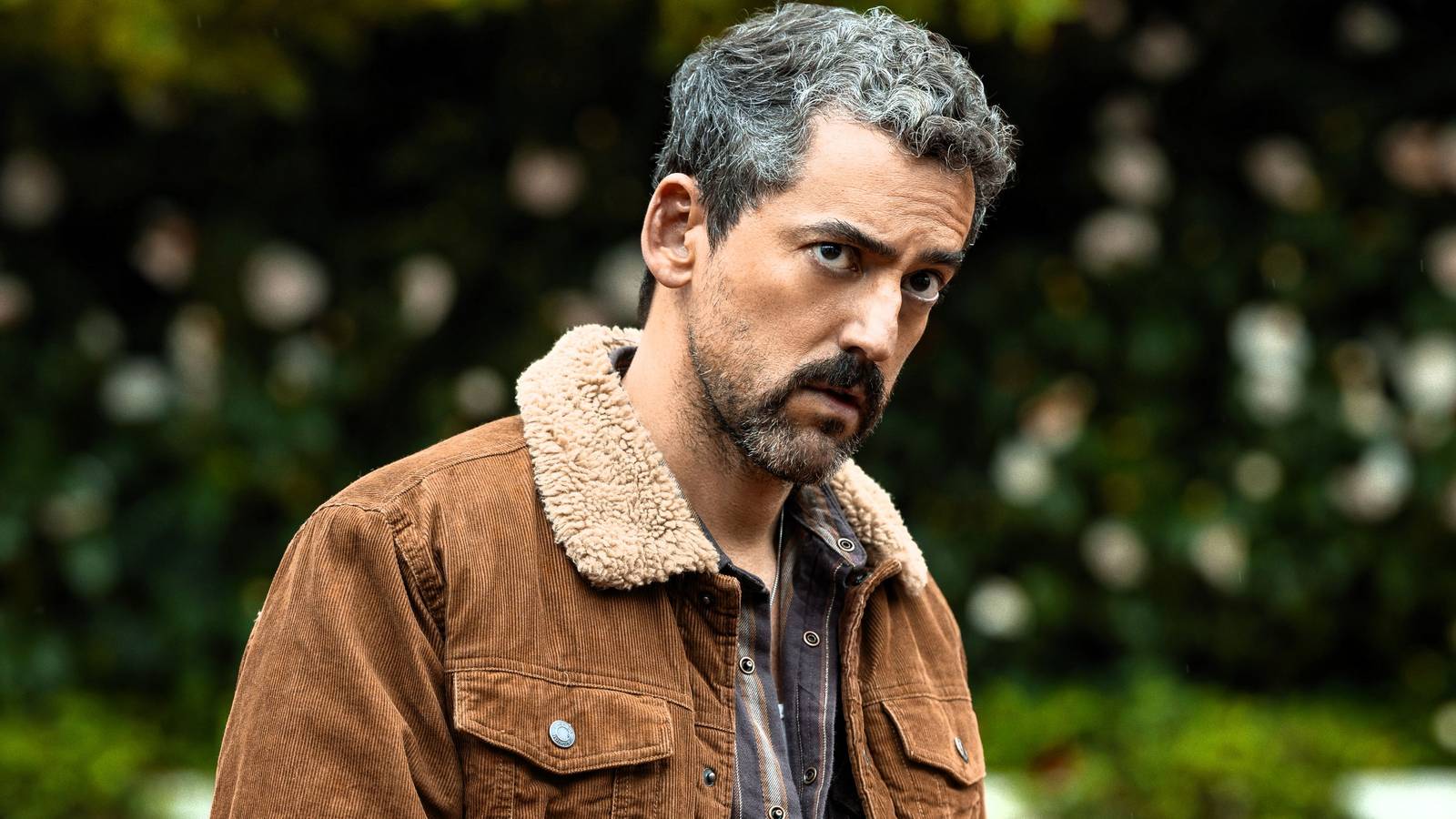
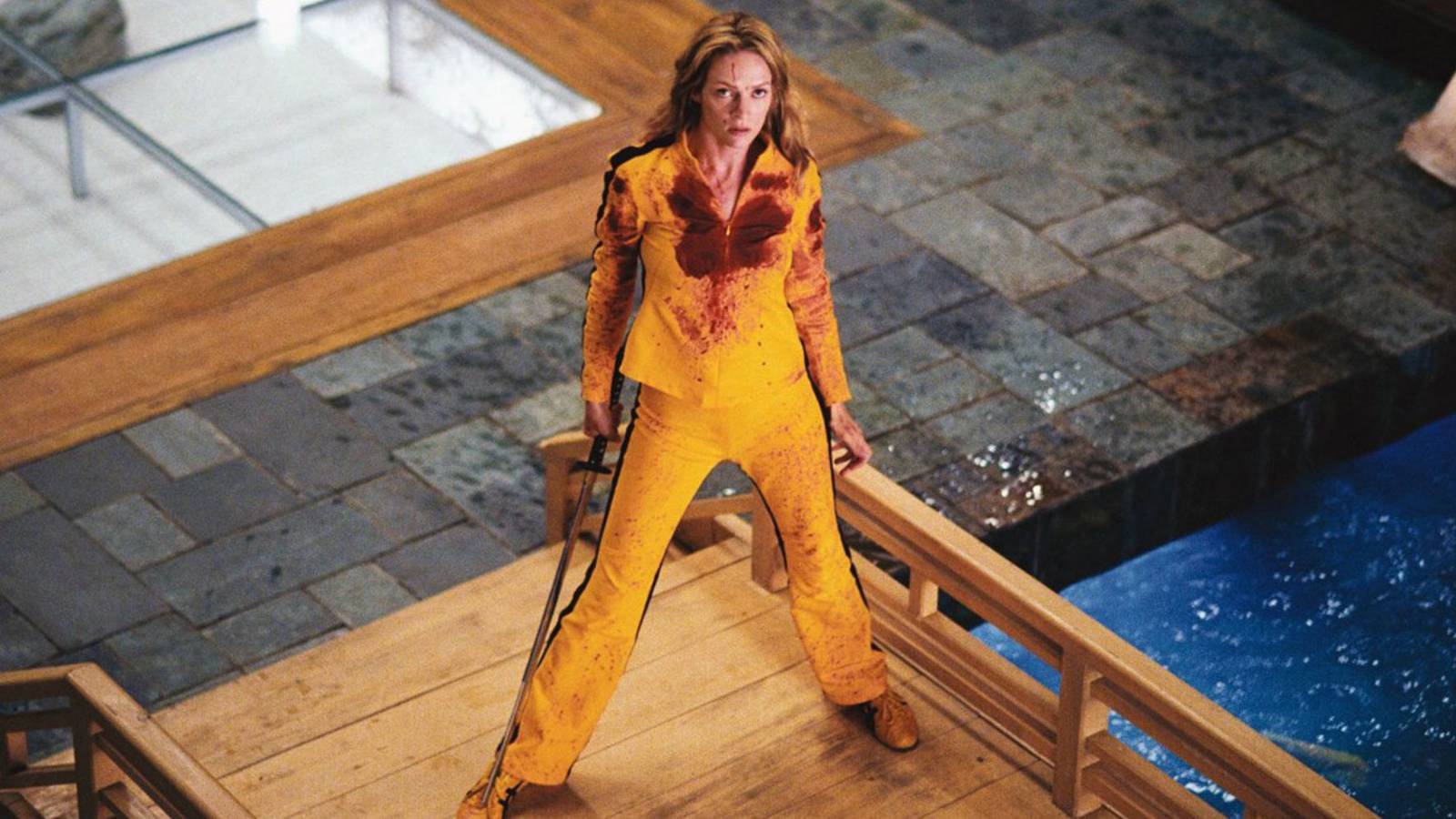
In 1995, The Quick and the Dead rode into theaters with a modest budget and even more modest box office returns—just $18.6 million worldwide against a $32 million price tag. Critics like Roger Ebert gave it two stars, and it quickly faded from multiplexes. Yet decades later, this Sam Raimi-directed Western has earned a devoted following as a cult classic, thanks to its revenge-fueled story and a cast that reads like a who's-who of future A-listers: Sharon Stone, Gene Hackman, Leonardo DiCaprio, and Russell Crowe. But at the time, only Stone and Hackman were household names. The real story behind the film is how Stone, serving as both star and producer, had to battle her own studio to bring in the talent she believed in—and in doing so, altered the trajectory of three Hollywood careers forever.
Why Sam Raimi Was Considered a 'D-List' Director in 1995
Stone played Ellen, a mysterious gunslinger seeking vengeance against the corrupt Mayor Herod (Hackman). As a producer, she had the clout to push for her vision—starting with the director. She wanted Sam Raimi, then best known for the Evil Dead trilogy and Darkman. In her memoir The Beauty of Living Twice, Stone recalled that TriStar Pictures viewed Raimi as a "D-movie director." Undeterred, she told the studio that Raimi "would work nearly for free as an enticement." That got their attention, and Raimi was hired. After The Quick and the Dead, his career exploded with A Simple Plan, The Gift, the Spider-Man trilogy, and Doctor Strange in the Multiverse of Madness. Without Stone's faith, those blockbusters might never have happened.
Russell Crowe’s First American Movie Almost Didn’t Happen
Russell Crowe played Cort, a gunfighter-turned-preacher drawn into Herod's deadly tournament. For most American audiences, this was their first glimpse of the New Zealand-born actor, who had spent years in Australian films. In a 2020 interview on Late Night with Seth Meyers, Crowe revealed he had struggled for 18 months to land a U.S. movie role. "I only got it because Sharon Stone had seen a movie I was in," he said. Cort was Ellen's love interest, and Stone insisted on casting him. "If it wasn't for her strength of commitment, I don't know how long it might have been before I got an American movie. I've got a lot to thank her for." Two years later came L.A. Confidential, followed by Gladiator and A Beautiful Mind—the former earning him an Oscar for Best Actor. Stone's gamble gave Crowe his big break at exactly the right moment.
Sharon Stone Paid Leonardo DiCaprio Herself to Cast Him
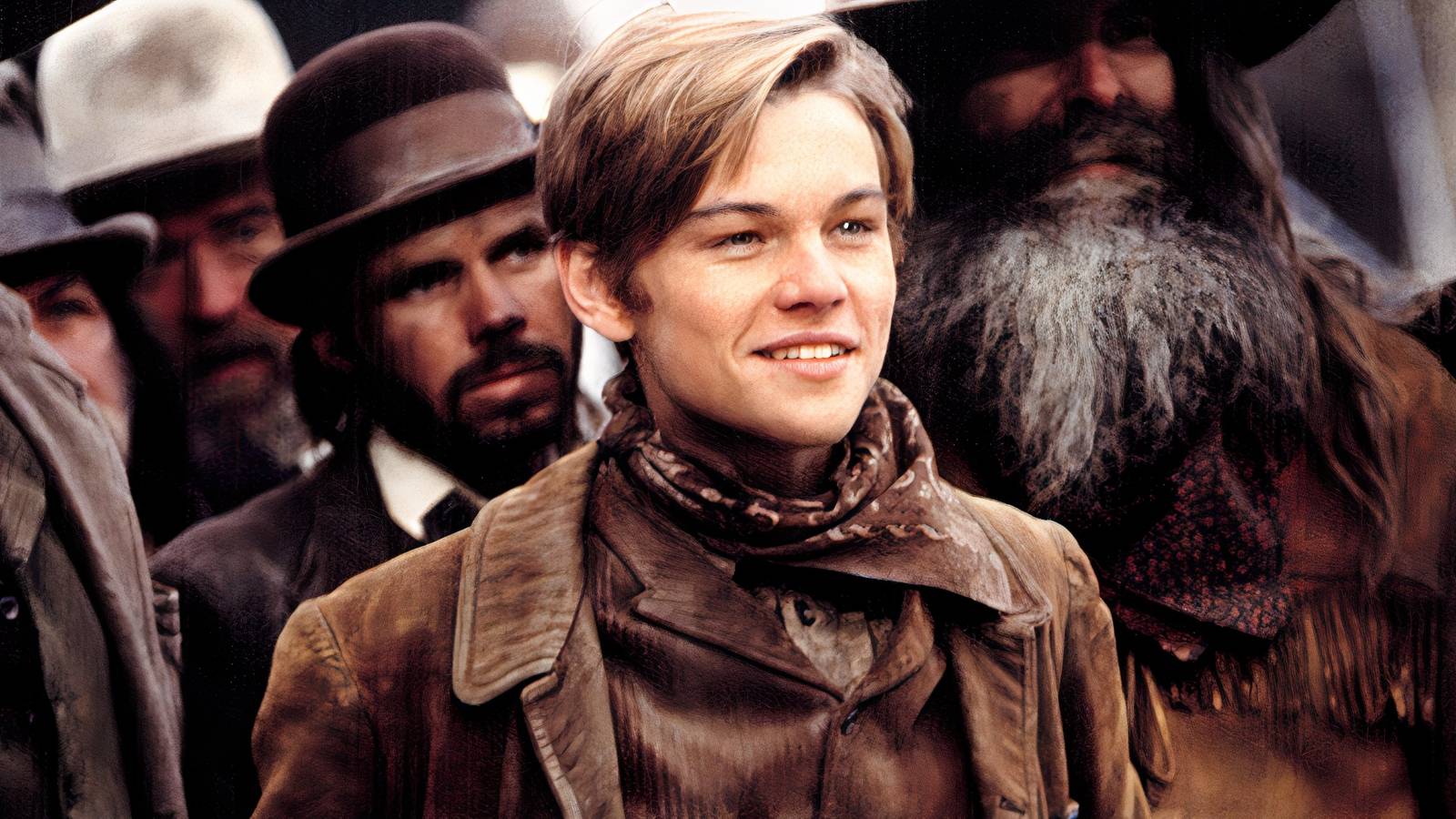
Then there was Leonardo DiCaprio, then 21 with a baby face and a few acclaimed supporting roles in This Boy's Life and What's Eating Gilbert Grape. TriStar balked at casting an unknown. Stone wrote in her memoir: "'Why an unknown, Sharon, why are you always shooting yourself in the foot?' The studio said if I wanted him so much, I could pay him out of my own salary. So I did." At the peak of her fame, Stone could have chosen any co-star, but she believed in DiCaprio enough to invest her own money. After the story came out, DiCaprio told E! News, "I cannot thank her enough." He added, "She's been a huge champion of cinema and giving other actors opportunities, so I'm very thankful." Stone recalled that DiCaprio nailed his audition by being the only actor who cried in his scene. A year later, he starred in Romeo + Juliet; the year after that, Titanic made him a global superstar. Today, The Quick and the Dead stands as a testament to Stone's courage and foresight—a cult Western that launched three legendary careers. For more on the genre's finest, check out our list of the most universally acclaimed Western movies of all time and the best crowd-pleasing Westerns ever ranked.