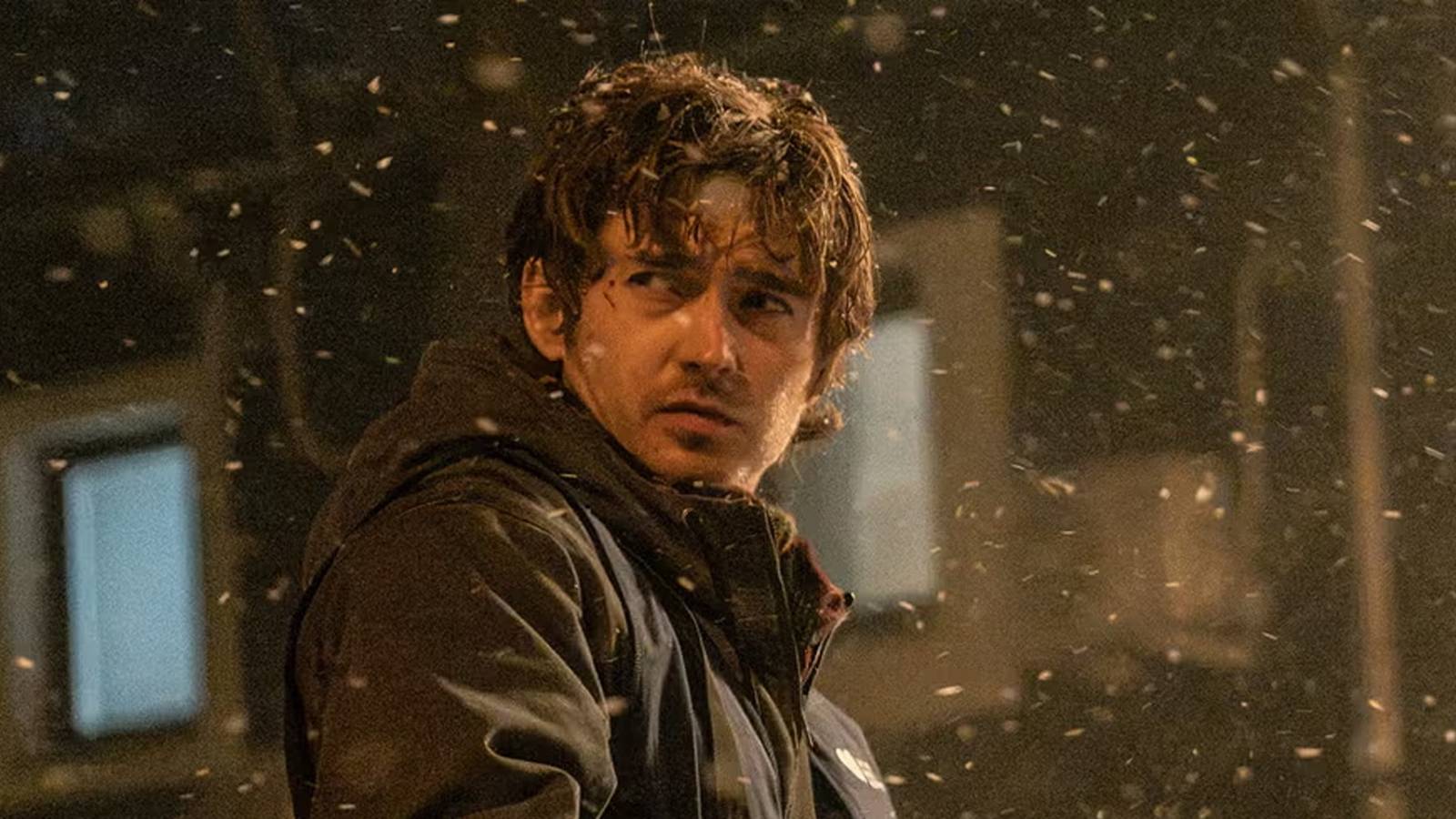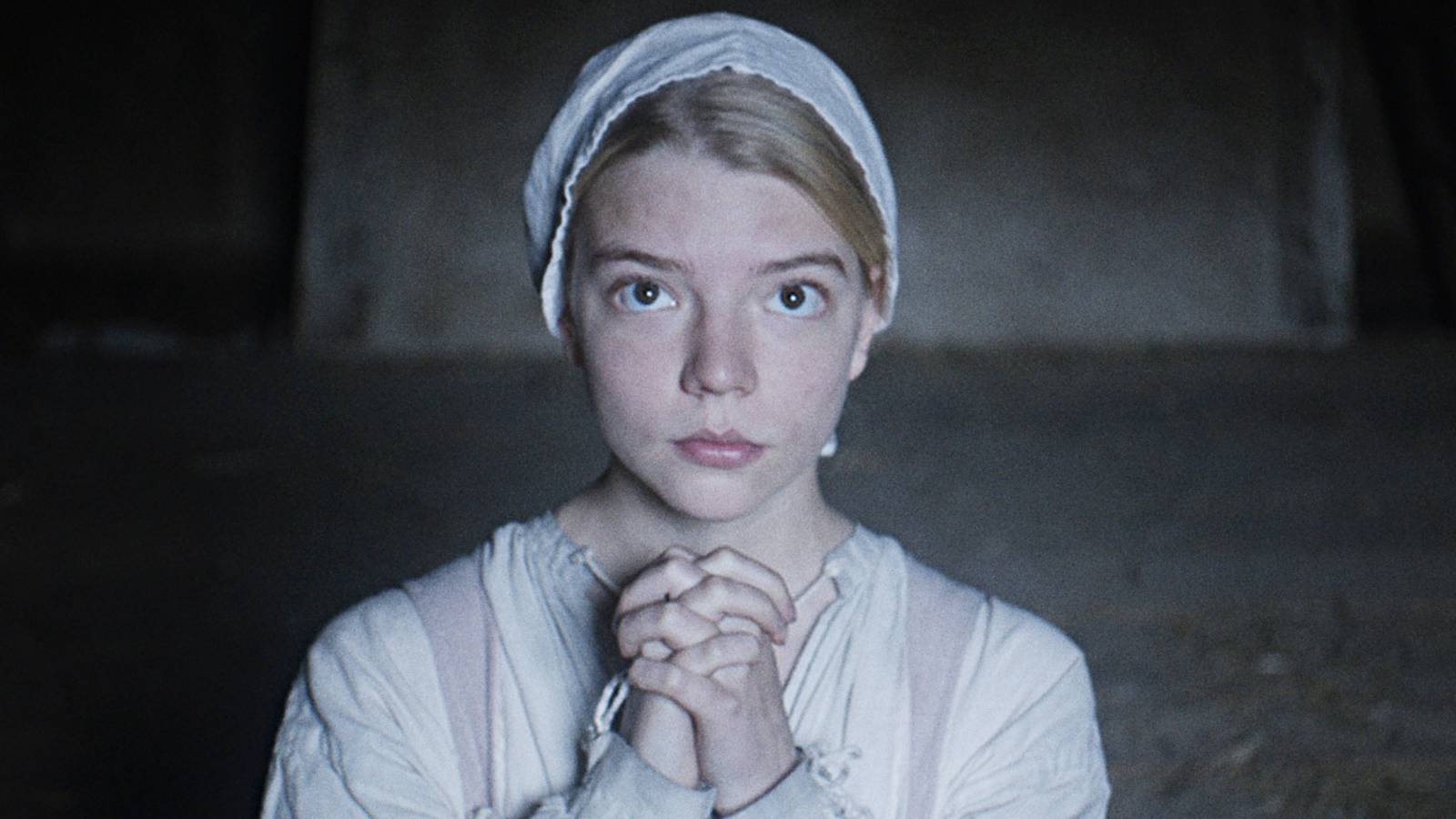
Before Robert Eggers conjured the haunting Nosferatu or the epic The Northman, he introduced the world to a new kind of horror with his 2015 debut, The Witch. Set in 1630s New England, the film follows a Puritan family exiled from their plantation, struggling to survive in a foreboding wilderness while a malevolent witch preys on their deepest fears. At the heart of this slow-burn nightmare is a teenage girl named Thomasin, played by a then-unknown Anya Taylor-Joy.
Though Taylor-Joy had already appeared in a few projects, The Witch was her true feature film debut—and it instantly marked her as a talent to watch. Her performance captures a rare blend of innocence and introspection, a quality that would later define her roles in Split and Thoroughbreds. But here, in Eggers' stark period setting, she embodies the tension between youthful curiosity and the crushing weight of religious repression. It's a role that feels both historically grounded and eerily contemporary.
A Horror That Doesn't Rely on Cheap Scares
Don't expect broomsticks or cackling spells. The Witch treats its supernatural threat as an almost primal force, more akin to the unseen terror in Poltergeist than any Halloween costume. The horror comes from the unknown—the vast, silent woods, the family's crumbling faith, and the unspoken desires that simmer beneath their pious surface. Eggers masterfully uses wide-open spaces to create claustrophobia, proving that isolation can be just as terrifying as any jump scare.
The family's unraveling is methodical. After being banished for religious disagreements, they build a new life on the edge of the wilderness. But tragedy strikes quickly: their infant son vanishes while Thomasin watches, the creepy twins claim to converse with the family goat, Black Phillip, and young Caleb (Harvey Scrimshaw) struggles with forbidden feelings for his sister. Each crack in their unity becomes an opening for the witch, who exploits their guilt and fear with surgical precision.
Why The Witch Feels Like a Modern Folk Tale
What makes The Witch so enduring is its refusal to apply modern psychology to its characters. Instead, Eggers dives deep into the specific anxieties of 17th-century Puritans—fear of damnation, the pressure to conform, the terror of the unknown—and lets those fears resonate with today's audiences. The film is a potent period piece that doubles as a commentary on societal expectations, especially for young women like Thomasin, who is blamed for everything from the baby's disappearance to her brother's lust.
Taylor-Joy's casting as a relative unknown adds to the film's timeless quality. According to Indiewire, she actually turned down a Disney Channel pilot to star in The Witch—a decision that now seems prescient. Her fresh face allows viewers to project their own anxieties onto Thomasin, making her journey from repressed daughter to ecstatic witch all the more powerful. When Black Phillip finally leads her to join the coven, the film offers a complicated catharsis: freedom from a tyrannical family, but at a terrifying cost.
For fans of folk horror or anyone looking to revisit a modern classic, The Witch remains a flawless debut. It's a testament to Eggers' singular vision and Taylor-Joy's raw talent, and it set the stage for both of their remarkable careers. If you haven't seen it yet, now is the perfect time to discover why this 92-minute film still haunts us—and why we can't wait to see what Eggers does next.