Science fiction has always pushed boundaries, but few stories have shaped the genre as profoundly as Frank Herbert's 1965 novel, Dune. Its intricate world-building and philosophical depth influenced everything from Star Wars to Game of Thrones. Yet for decades, a truly faithful adaptation seemed impossible. David Lynch's 1984 attempt was ambitious but flawed, leaving fans yearning for something more.
Enter Denis Villeneuve. With a track record of cerebral sci-fi like Arrival and Blade Runner 2049, he was the perfect director to tackle Herbert's magnum opus. In 2021, he delivered Dune: Part One, a film that not only honored the source material but elevated it. The sequel, Dune: Part Two, surpassed even that, cementing the franchise as the best in sci-fi history. And with Dune: Part Three on the horizon, the saga is poised to conclude in spectacular fashion.
A Faithful Yet Bold Adaptation
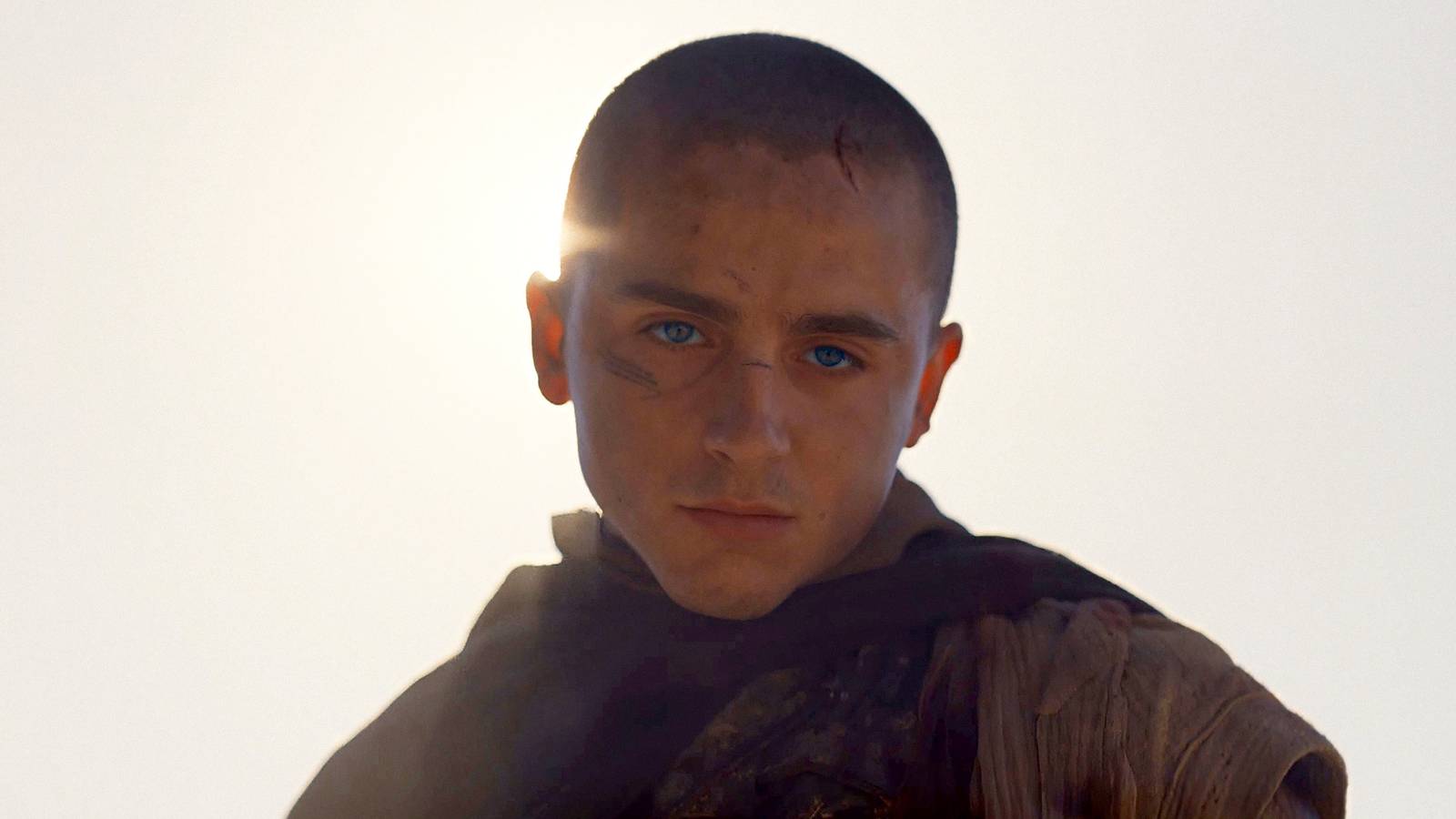
Villeneuve's decision to split the first book into two films was a masterstroke. Herbert's novel is dense with politics, religion, and ecology—too much for a single movie. By giving the story room to breathe, Villeneuve allowed characters to develop fully. Timothée Chalamet's Paul Atreides is a revelation, capturing both the vulnerability and the terrifying destiny of the Kwisatz Haderach. His journey from a privileged son to a reluctant messiah is the emotional core of the series.
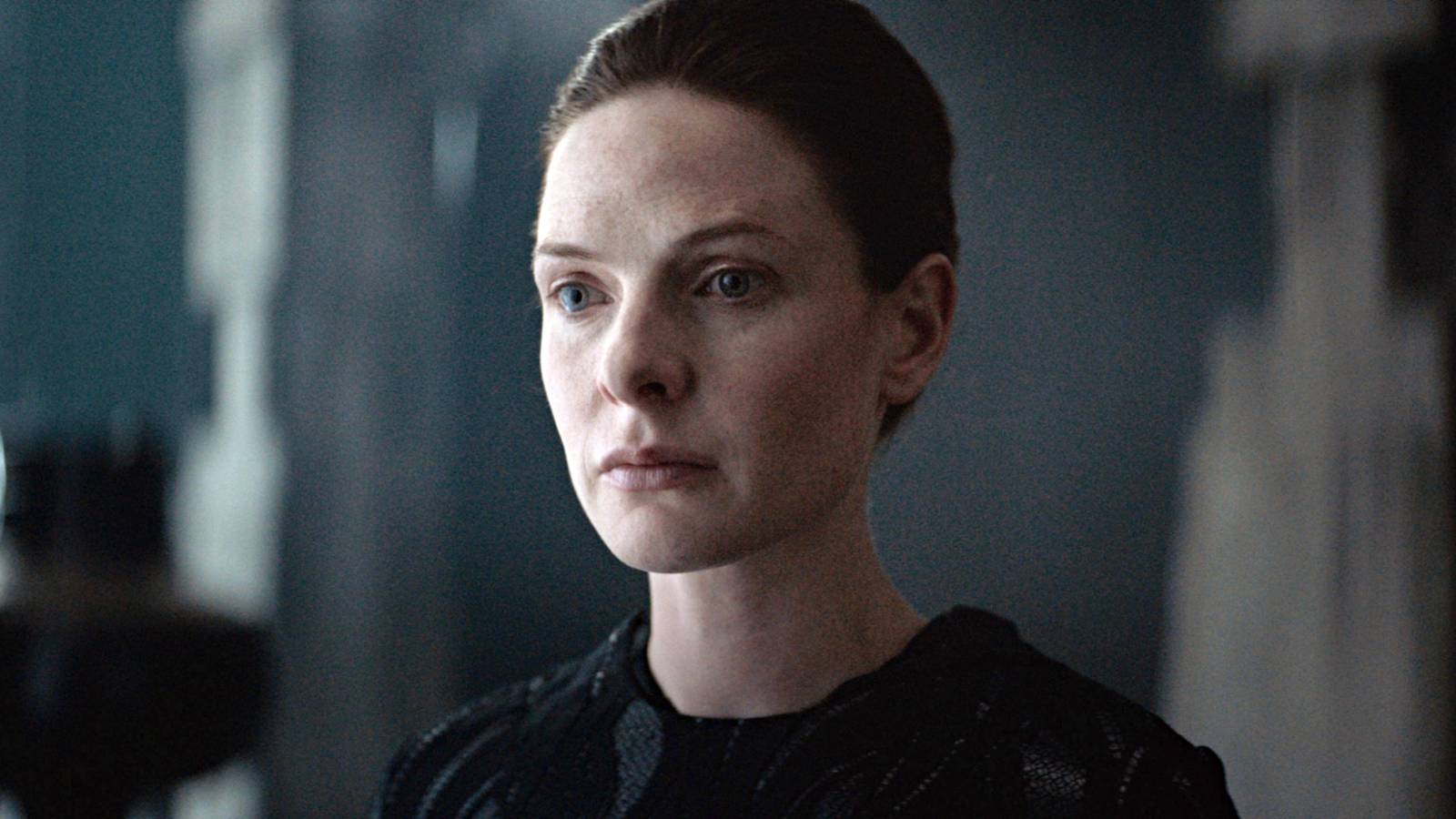
The director also made bold changes that improved upon the book. In Dune: Part Two, Zendaya's Chani is not just a love interest but a driving force, questioning Paul's motives and the Fremen's future. Rebecca Ferguson's Lady Jessica is more manipulative, pushing Paul toward his dark path. These alterations add layers of complexity, making the story more resonant for modern audiences.
The Upcoming Conclusion
Dune: Part Three, based on Dune Messiah, will explore the consequences of Paul's rise to power. It's a necessary chapter, showing that heroes can become tyrants. With Anya Taylor-Joy joining the cast as Alia, the film promises to be the most intense yet. Villeneuve's willingness to deviate from the book—especially in his treatment of female characters—will make this a fresh and unpredictable experience.
As the trilogy wraps up in December 2026, it's clear that Villeneuve has created something timeless. His Dune is not just an adaptation; it's a reimagining that honors Herbert's vision while making it accessible to a new generation. For those who haven't yet experienced this epic, the first two films are available on HBO Max, offering a binge-worthy journey into the desert planet of Arrakis.
In a genre crowded with franchises, Dune stands alone. It's a cinematic achievement that will be studied for years to come. Whether you're a longtime fan or a newcomer, this is sci-fi at its finest.