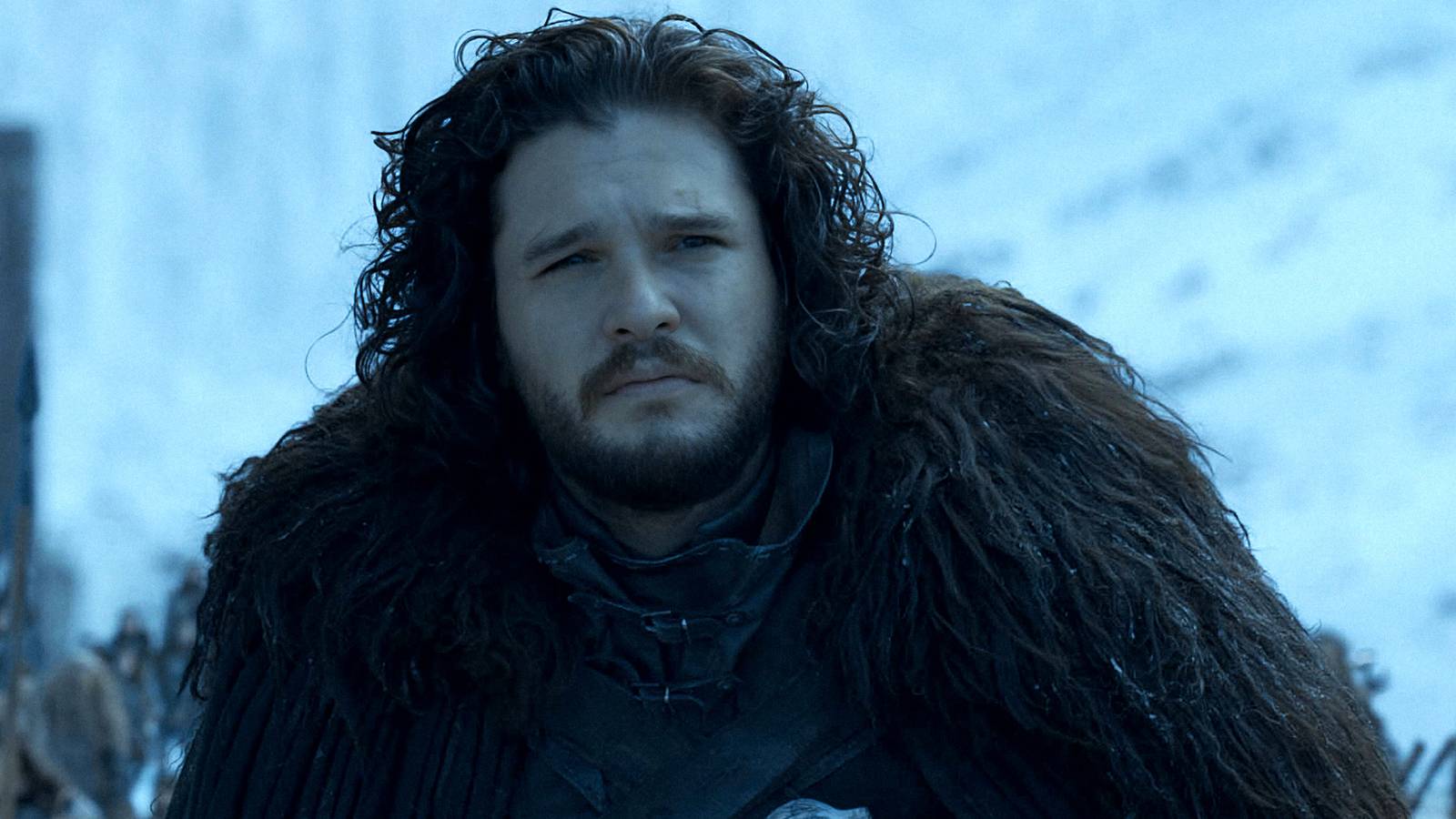
Few shows have dominated pop culture like Game of Thrones. Based on George R. R. Martin's A Song of Ice and Fire series, the HBO epic followed noble houses scheming for the Iron Throne, an exiled princess raising dragons, and an army of the dead threatening all life. But after a legendary run, the series stumbled badly in its final seasons, leaving viewers with a finale widely considered one of the worst in TV history. Among the many unsatisfying conclusions, a handful of lingering mysteries remain—questions that, thanks to HBO's focus on spin-offs and Martin's glacial writing pace, may never be answered.
Who Is the New Prince of Dorne?
House Martell ruled Dorne for centuries, but Season 6 saw Prince Doran and his son Trystane murdered by Ellaria Sand and the Sand Snakes—a baffling move that supposedly honored Oberyn Martell. After Ellaria and her crew died following Daenerys' campaign, a new, unnamed Prince of Dorne (played by Toby Osmond) appeared at the Great Council to approve Bran Stark as king. Who is this guy? A distant Martell cousin? A lord from another Dornish house like Blackmont or Manwoody? The show never explains, and his sole function is to nod along with the election. It's a fittingly frustrating end to Dorne's already mishandled storyline.
The Enigma of Quaithe
In Qarth, Daenerys' protector Jorah Mormont met Quaithe, a masked woman who spoke cryptically about threats to the dragons and seemed to know Jorah's past. Her mask resembled the attire of the red priestess Melisandre, hinting at a connection to the shadow city of Asshai. In the books, Quaithe plays a larger role, but the show dropped her entirely after that single appearance. Her clairvoyance and magical abilities could have aided Daenerys against growing dangers, but the showrunners chose to downplay the series' magic. We'll never know who she really was or why she cared about Jorah and Daenerys.
Where Did Drogon Go?
Of Daenerys' three dragons, only Drogon survived to the end. After Jon Snow killed Daenerys, Drogon melted the Iron Throne, then carried her body away. During Bran's first small council meeting, we learn Drogon was last seen flying east toward Volantis. Was he trying to resurrect Daenerys with the help of R'hllor's priests? Heading to the ruins of Old Valyria? Or just wandering the vast continent of Essos? The show leaves his fate completely open, a loose end that feels more like a shrug than a mystery.
Illyrio Mopatis: The Forgotten Chessmaster
Illyrio Mopatis, the Pentoshi magister, sheltered Daenerys and Viserys after Robert Baratheon's rebellion and arranged Daenerys' marriage to Khal Drogo. Later, Arya spotted him in the Red Keep conspiring with Varys, hinting at a grand scheme to restore the Targaryens. But after Season 5, Illyrio vanishes. He's not seen when Tyrion and Varys stay at his manse, and he offers no help during Daenerys' rule of Meereen. Why did he care about the Iron Throne? Was he truly working with Varys, or was that a misdirection? The show never circles back, leaving a major player in the shadows.
What Happened to the White Walkers' Purpose?
The Night King and his army were built up as an existential threat for seven seasons, only to be defeated in a single battle at Winterfell. But beyond the anticlimax, the show never explained the White Walkers' origins or motivations. Why were they created by the Children of the Forest? What did they actually want? The series hinted at a deeper connection to the Three-Eyed Raven and the cyclical nature of winter, but none of it paid off. Fans hoping for a richer mythology were left with a generic evil that was easily dispatched.
Why Did the Dothraki Charge Into Darkness?
In the Battle of Winterfell, the Dothraki—fearsome mounted warriors—were ordered to charge into complete darkness against an unseen enemy. The result was a massacre, with most of them dying in seconds. Why would any commander, let alone Daenerys, waste her cavalry in such a suicidal maneuver? The show never addresses the tactical insanity of this decision, and the Dothraki are barely mentioned afterward. It's a baffling moment that undermines the intelligence of every character involved.
Who Is the Prince That Was Promised?
Prophecy was a major thread throughout the series: a prince (or princess) would be reborn to fight the darkness. Melisandre believed it was Stannis, then Jon. Others thought Daenerys. The show never confirmed who, if anyone, fulfilled the prophecy. Jon killed the Night King, but Arya delivered the final blow. Daenerys died a villain. The prophecy was simply abandoned, leaving fans to debate whether it was ever meant to be literal—or just another red herring in a show full of them.
What Was the Point of the Iron Bank?
The Iron Bank of Braavos was set up as a powerful force that could topple kings by funding their enemies. It financed Stannis, then later backed Cersei. But after Season 7, the bank disappears entirely. Did it survive Daenerys' conquest? Did it demand repayment from the new regime? The show introduced this intriguing geopolitical element only to drop it when it might have added complexity to the final season's power struggles.
For fans still hungry for Westerosi lore, HBO's House of the Dragon offers a prequel dive into Targaryen history, but these lingering questions from the original series remain unanswered. Whether they'll ever be resolved in Martin's books—if they ever arrive—is another mystery entirely.