Hollywood loves a good book-to-screen story, but not every author gets the red-carpet treatment. While Stephen King's bibliography reads like a streaming service's catalog, other equally prolific writers have seen their works largely stay on the page. Here are seven authors whose novels and stories have rarely been adapted—and why that might be.
Milan Kundera: A Master of Philosophy, Not Adaptation
Milan Kundera's The Unbearable Lightness of Being became a celebrated 1988 film, but the author himself was famously unhappy with the result. That may explain why so few of his other works have been adapted. His earlier novel The Joke did get a Czech film in 1969, but beyond that, Kundera's dense philosophical explorations—like The Book of Laughter and Forgetting—remain untouched by filmmakers. It's a shame, because his meditations on love, politics, and identity could resonate powerfully on screen if handled with care.
James Ellroy: Noir Master, Minimal Screen Presence
James Ellroy's hard-boiled crime fiction feels inherently cinematic, yet only a handful of his books have made it to film. The most famous is L.A. Confidential, a 1997 Oscar-winning classic that Ellroy himself wasn't thrilled with. His other adaptations—The Black Dahlia (2006) and a couple of early novels like Blood on the Moon (as Cop)—have been less successful. His sprawling Underworld U.S.A. trilogy, ripe for a prestige TV series, remains unadapted, perhaps because its complexity demands a visionary showrunner.
Larry Niven: Hard Sci-Fi That's Hard to Adapt
Larry Niven's Ringworld is a cornerstone of science fiction, yet it's never been filmed. A 2000 article optimistically declared a movie was "around the corner," but that corner remains elusive. His collaboration with Jerry Pournelle, Lucifer's Hammer, a gripping post-apocalyptic tale, also awaits adaptation. Niven's ideas are grand and visual, but perhaps the sheer scale and scientific detail make them daunting for studios. Still, with the success of recent sci-fi adaptations like Fallout's video game adaptation, there's hope.
Don DeLillo: Literary Giant, Rarely on Screen
Don DeLillo's novels are critically acclaimed, but only two have been adapted: Cosmopolis (2012) and White Noise (2022), both to mixed reviews. His masterpiece Underworld, an 800-page epic, has been optioned but never produced—perhaps because its sprawling narrative resists easy translation. Libra, his fictional take on the Kennedy assassination, could make a gripping thriller, but so far, no one has cracked it. DeLillo's work demands patience and nuance, qualities that don't always align with Hollywood's blockbuster instincts.
Brandon Sanderson: Fantasy Phenomenon, Still Unadapted
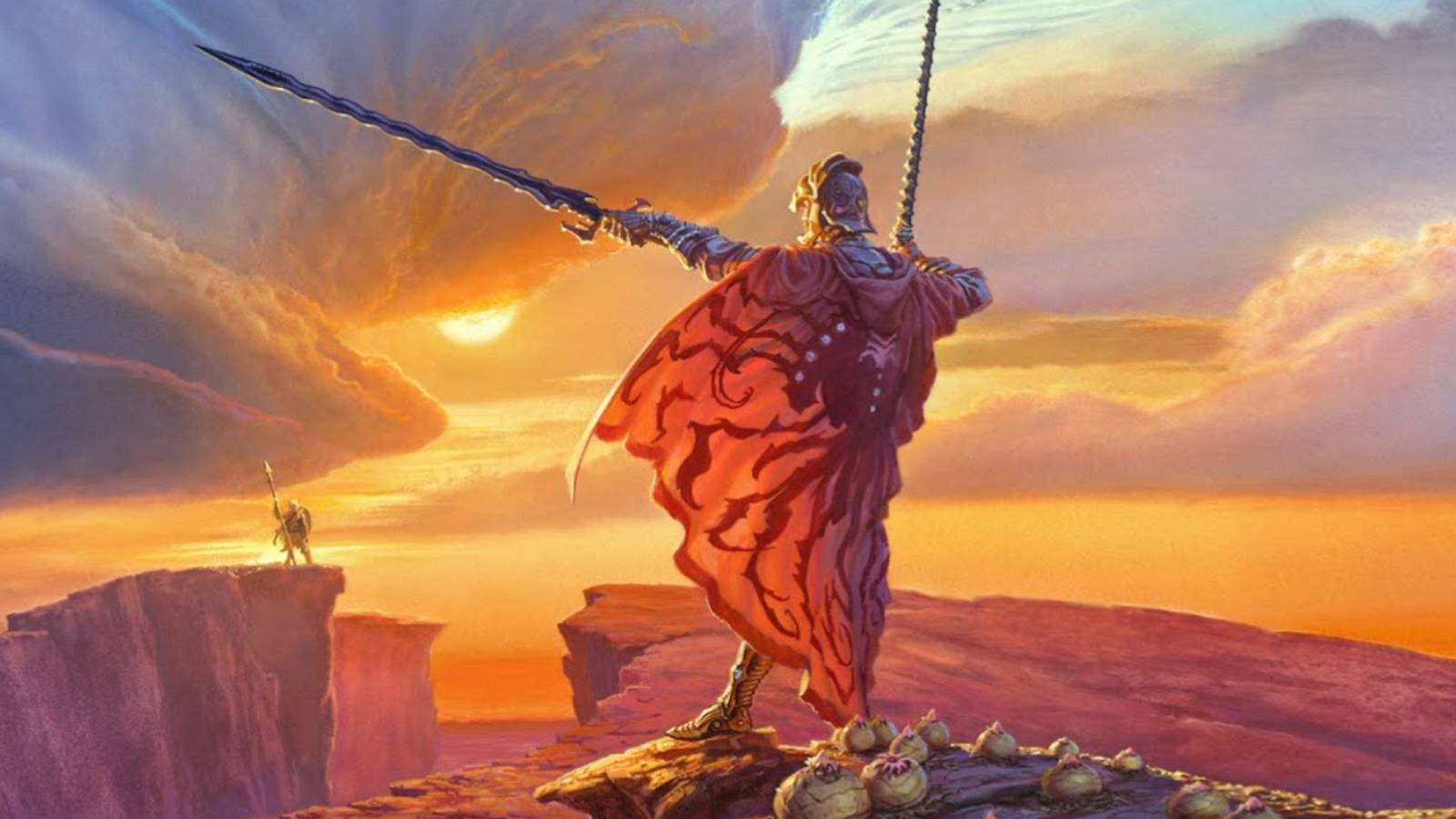
Brandon Sanderson has become a fantasy powerhouse, with his Cosmere universe rivaling any in the genre. Yet, despite constant rumors, no major adaptation has materialized. His Mistborn series and The Stormlight Archive are cinematic in scope, but their intricate magic systems and massive page counts may intimidate producers. Sanderson himself has been cautious, wanting the right team to bring his worlds to life. As streaming services hunt for the next Game of Thrones, his works remain a tantalizing possibility.
Thomas Pynchon: The Recluse Who Resists Hollywood
Thomas Pynchon is one of literature's most enigmatic figures, and his novels are notoriously difficult to adapt. Only Inherent Vice (2014) and The Crying of Lot 49 (as a 1966 short) have made it to screen. His sprawling, paranoid narratives like Gravity's Rainbow and Against the Day are considered unfilmable by many. Pynchon's reclusiveness and the sheer density of his prose make him a tough sell for studios, but a daring filmmaker could find gold in his chaos.
Neal Stephenson: Tech-Heavy Epics Await Their Moment
Neal Stephenson's Snow Crash is a cyberpunk classic, yet it's never been adapted. His other works, like Cryptonomicon and Seveneves, are equally ambitious, blending technology, history, and adventure. Stephenson's novels are often compared to genre-defining sci-fi epics, but their length and intellectual depth pose challenges. With the rise of high-budget streaming series, however, his books could finally find their audience.
These authors prove that literary success doesn't always translate to screen success. But as the appetite for fresh stories grows, perhaps we'll see more of their works adapted—if the right creators step up.