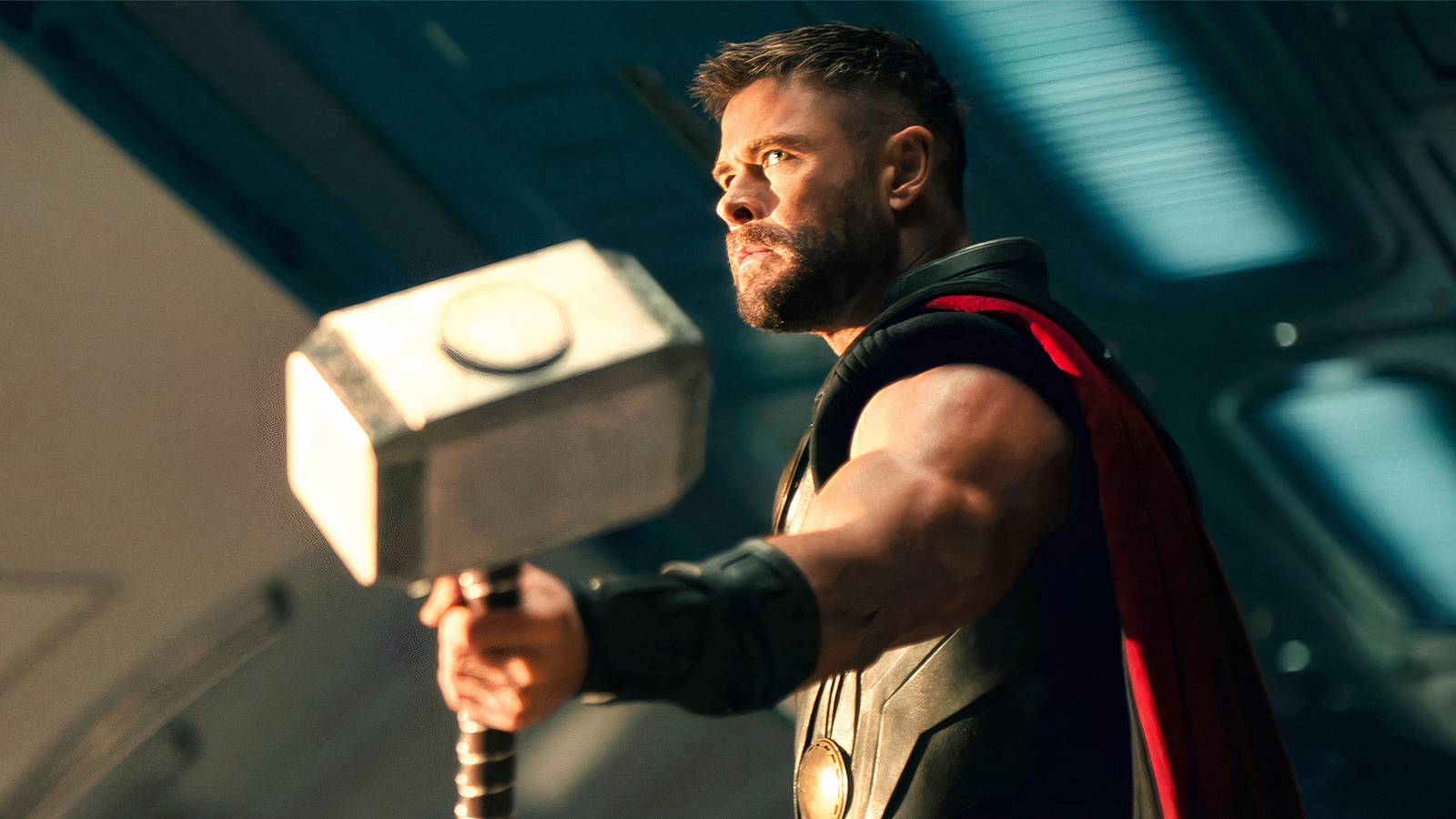
When the original six Avengers assembled in 2012, few could have predicted which one would still be standing tall—both literally and figuratively—over a decade later. While others have retired, transformed, or faded into the background, Chris Hemsworth's Thor has evolved into the closest thing the MCU has to a constant, enduring figurehead. From his thunderous debut to his upcoming central role in Avengers: Doomsday, Thor's journey is a masterclass in character development, blending cosmic grandeur with deeply human vulnerability.
What sets Hemsworth's Thor apart is his remarkable range. He can deliver gut-busting comedy one moment and break your heart the next, often within the same film. Few heroes have been allowed to age, scar, and visibly carry trauma the way Thor has—from the battle-hardened king of Ragnarok to the shattered shell of a man in Endgame. This willingness to let the character evolve in unexpected ways is exactly why his story is worth tracing film by film.
As he reportedly leads a ragtag team of Avengers into the franchise's next great threat, Thor's psychological journey feels more relevant than ever. He has buried his father, brother, home, and half his people, yet he still chooses to lead. That combination of comedic warmth and legendary mythos makes him one of the most compelling characters the MCU has ever built. Here are five moments that prove why.
5. The Vision at the Water of Sight (Avengers: Age of Ultron)
Often overlooked in discussions of Thor's evolution, Age of Ultron marks the moment his focus shifts from Earthly concerns to cosmic stakes. After Wanda Maximoff's powers trigger a disturbing vision, Thor seeks clarity at the Water of Sight—and what he finds destabilizes him. He watches Asgard fall into apocalyptic ruin, hears Heimdall scream as he goes blind, and sees the Infinity Stones aligning into a force capable of annihilation. This vision attacks his true self-worth, forcing him to confront the fear that his power will ultimately destroy his people rather than protect them. It's a dread that directly foreshadows the trauma of Ragnarok.
This isolation sets Thor apart from the other Avengers, who remain focused on earthly battles. His side quest with Erik Selvig leads to one of the franchise's strangest detours, but it's Thor who understands the bigger picture. His arc resolves back at Avengers Tower, where he trusts his visions and uses his lightning to bring Vision to life, entrusting him with the Mind Stone—a decision that would have universe-altering consequences.
4. The Sacrifice That Proved Worthiness (Thor, 2011)
The film that started it all established the complex relationship between Thor and his adopted brother Loki, a dynamic that would define the next decade of the MCU. Thor begins as an arrogant, hot-headed prince who values brute force over wisdom, leading to his banishment to New Mexico and the loss of his hammer, Mjolnir. Stripped of his powers, Thor is forced to confront mortal vulnerability and his budding relationship with Jane Foster, learning the humility that ordinary people value.
His true test comes when Loki sends the Destroyer to eliminate him. Without powers, Thor chooses to sacrifice himself for others—an act that proves his worthiness and reunites him with his hammer. This moment lays the groundwork for his entire arc, from entitled prince to humbled hero, and establishes the emotional throughline that would carry through every subsequent appearance.
3. The Weight of a King (Thor: Ragnarok)
By the time Ragnarok rolled around, Thor had lost his father, his hammer, and his eye—but he gained something more important: a sense of humor. Taika Waititi's film reinvented the character, leaning into Hemsworth's comedic timing while still delivering genuine emotional beats. The moment Thor realizes he doesn't need the hammer to be worthy—that the power was within him all along—is a turning point. It's a scene that redefines the character, proving that his strength comes from within, not from any external object.
But Ragnarok also carries the weight of loss. Thor watches his home be destroyed, his people scattered, and his father die. He emerges as a king without a kingdom, yet he still chooses to lead. This balance of humor and tragedy is what makes Hemsworth's performance so compelling.
2. The Shattered God (Avengers: Endgame)
When we meet Thor in Endgame, he's a shadow of his former self—overweight, depressed, and drowning in guilt over his failure to stop Thanos. It's a bold, risky choice for a blockbuster franchise, but Hemsworth pulls it off with heartbreaking authenticity. The scene where he summons Stormbreaker and declares, "I'm still worthy," is one of the MCU's most emotionally resonant moments. It's a testament to Hemsworth's range that he can make audiences laugh with his beer-bellied antics one minute and then move them to tears the next.
This portrayal of trauma and recovery is unprecedented for a superhero film, and it's a big reason why Thor remains so beloved. He's not just a god; he's a man dealing with real, relatable pain.
1. The Line That Echoes Thanos (Avengers: Doomsday Trailer)
The upcoming Avengers: Doomsday trailer has already given us a chilling glimpse of a new Thor. The line, "I swear you will beg for Hell long before I grant it," feels like a direct echo of Thanos's menace—but this time, it belongs to Thor. He's no longer the wide-eyed prince; he's something closer to the myth Marvel carefully built in 2011. This moment signals a darker, more formidable Thor, one who has fully embraced his role as a leader and a warrior.
As he reportedly leads a scrappy, almost G-league version of the Avengers into the franchise's next great threat, Thor's psychological journey feels more relevant than ever. This is a hero defined as much by loss as by lightning. And with the most fun Marvel movies behind him, Hemsworth's Thor is poised to cement his legacy as the true king of the MCU.