The 20th century gave us countless cinematic treasures, but few genres have aged as gracefully or remained as gripping as crime drama. From the shadowy alleys of film noir to the gritty realism of the '70s and the stylish excess of the '90s, crime movies have consistently delivered tension, moral complexity, and unforgettable characters. Here are the crime films from the 1900s that are truly perfect—no weak links, no wasted scenes, just pure storytelling mastery.
Heat (1995)
Michael Mann's Heat is a sprawling epic that runs 170 minutes yet never drags. It's a rare crime film that treats both cops and criminals as equally flawed, driven by obsessive professionalism. Robert De Niro's Neil McCauley and Al Pacino's Lt. Vincent Hanna share only a few scenes, but their diner confrontation is one of cinema's most electric moments. The film's famous shootout remains a benchmark for action choreography, blending realism with sheer spectacle. Heat is a perfect marriage of character drama and pulse-pounding thrills.
The Maltese Falcon (1941)
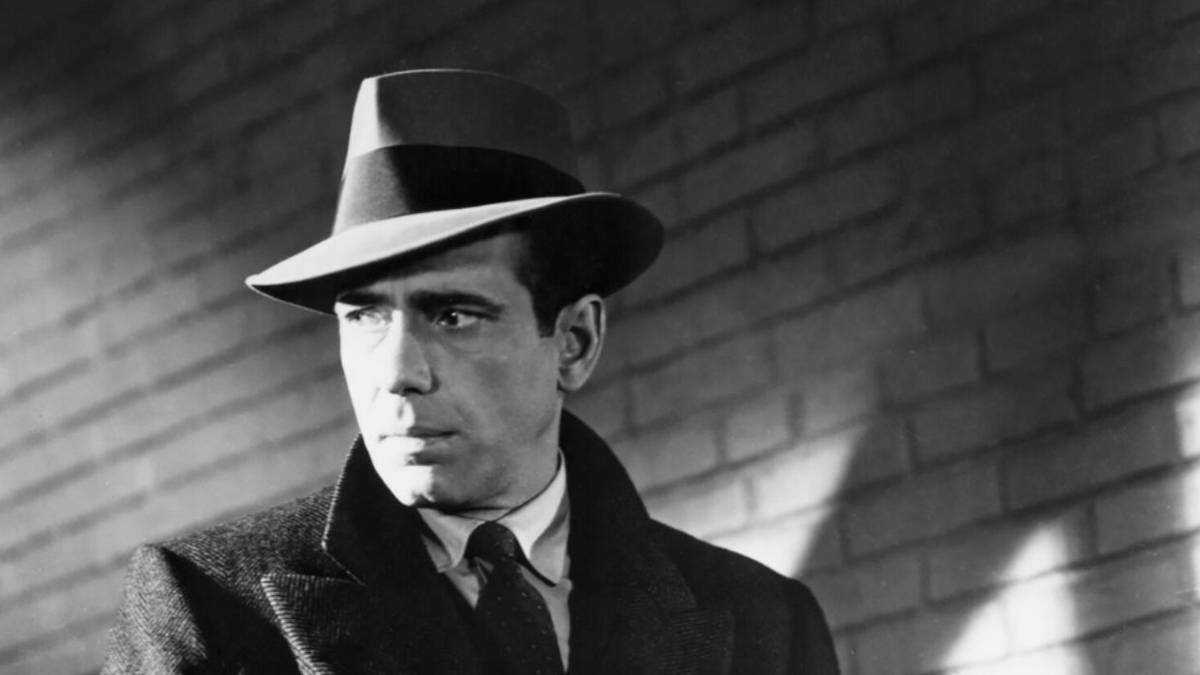
John Huston's directorial debut, The Maltese Falcon, is the film that launched film noir. Humphrey Bogart's Sam Spade is the quintessential hard-boiled detective, navigating a web of lies, greed, and double-crosses in search of a priceless statuette. The film's shadowy visuals and cynical tone set the template for countless imitators, but none have matched its perfect blend of mystery, wit, and style. It's a timeless classic that still feels fresh.
Pulp Fiction (1994)
Quentin Tarantino's Pulp Fiction is a cultural phenomenon that redefined indie cinema. Its non-linear narrative weaves together the lives of Los Angeles criminals in a series of violent, hilarious, and unforgettable vignettes. The dialogue is rhythmic and quotable, the soundtrack is iconic, and the performances—from John Travolta to Uma Thurman—are legendary. Pulp Fiction is the epitome of style and irreverence, a film that fills every minute with energy and surprise.
Se7en (1995)
David Fincher's Se7en is a masterclass in atmosphere. The rain-soaked, grimy city feels like a character itself, and the muted color palette amplifies the sense of moral decay. The story follows two detectives hunting a serial killer who uses the seven deadly sins as his blueprint. The tension builds relentlessly, culminating in one of the most shocking endings in cinema history. Se7en is dark, disturbing, and absolutely perfect. For more on this classic, check out David Fincher and Brad Pitt's Crime Classic 'Se7en' Hits Tubi Free in June 2026.
M (1931)
Fritz Lang's M was decades ahead of its time. This German masterpiece pioneered the use of sound as a storytelling tool, using Edvard Grieg's 'In the Hall of the Mountain King' as a haunting leitmotif for its child-murdering villain, played by Peter Lorre. The film's expressionistic visuals and moral ambiguity—exploring themes of justice, mob mentality, and guilt—make it a foundational work of crime cinema. M remains as unsettling and brilliant today as it was in 1931.
These five films represent the pinnacle of 20th-century crime cinema, but they're just the beginning. For more genre-defining masterpieces, explore our list of Forgotten Frights: 7 Near-Perfect Horror Thrillers That Deserve a Second Look or dive into Before 'Crime 101,' Bart Layton's 'American Animals' Redefined the Heist Genre for Millennials. Each of these films proves that crime, when done right, can be art.