Bart Layton is set to deliver a modern heist classic with his 2026 film Crime 101, a slick, star-studded affair that channels the spirit of the Ocean's series. But just a few years earlier, Layton crafted a very different kind of heist movie—one that deliberately breaks the rules of the genre. That film is American Animals (2018), a docudrama that turns a real-life rare book heist into a tragicomic study of youthful delusion.
The Real Story Behind the Heist
American Animals recounts the 2004 theft of a first edition of John James Audubon's Birds of America from Transylvania University in Lexington, Kentucky. The book, valued at roughly $12 million, is one of the most valuable in the world. But unlike the glamorous heists of Hollywood, this one was botched by four middle-class college kids who had no idea what they were doing. The film intercuts dramatized scenes with interviews with the real perpetrators, creating a haunting tension as we watch them spiral toward disaster.
Subverting Heist Movie Tropes
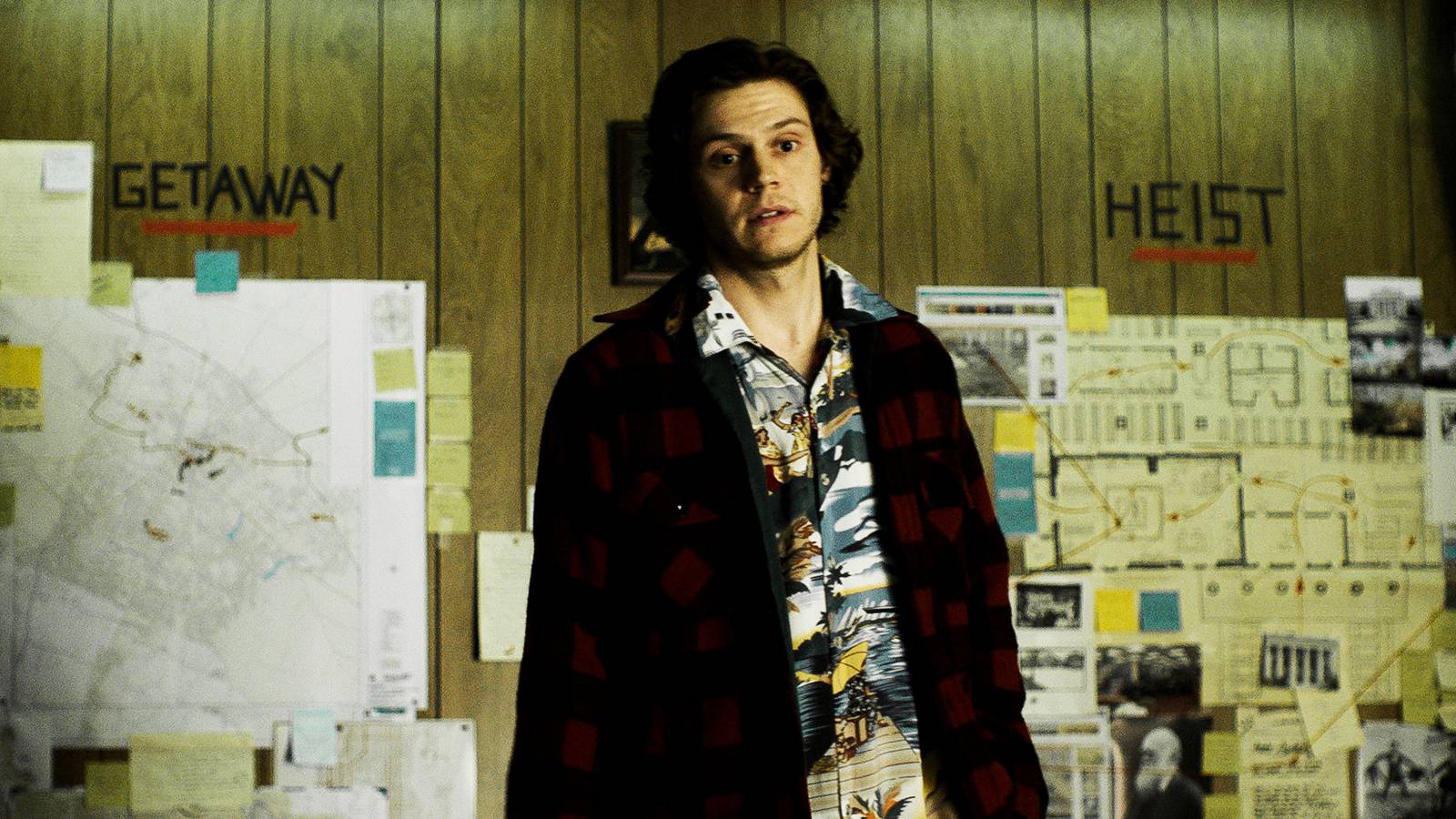
Where most heist films celebrate competence and cool, American Animals revels in incompetence and cringe. The central duo—Warren (Evan Peters) and Spencer (Barry Keoghan in one of his best roles)—are childhood friends who dream of being master criminals. Warren, a failing athlete described as "spice in the broth," Googles how to rob banks, while Spencer, the "good kid," hatches the plan. They recruit Eric (Jared Abrahamson) for logistics and Chas (Blake Jenner) as a getaway driver, but their planning is laughably amateur. In one fantasy sequence, they imagine themselves in tuxedos executing a smooth heist; in reality, they fumble with a stun gun and traumatize an elderly librarian.
A Millennial Take on Crime
Layton's film is ultimately a meta-commentary on how movies shape our fantasies. The characters name themselves after colors, a nod to Reservoir Dogs, but they ignore the bloody consequences of that film. As Layton told Collider, the story is about seeking validation—a uniquely millennial crisis. The real Spencer admits he was torn between wanting the adventure to continue and hoping it would end. The film's power lies in its honesty: these are not hardened criminals, but bored, privileged kids who thought crime would be exciting. The result is a heist movie that feels more like a cautionary tale than a thrill ride.
Memory and Regret
One of the film's most striking elements is its treatment of memory. The real-life robbers offer contradictory accounts of what happened, each claiming different levels of responsibility. These interviews, interspersed with the action, give the film a poignant, almost pleading quality—as if the men are begging their younger selves to stop. It's a reminder that regret can't undo the past, a theme that resonates deeply in an era of true-crime obsession. For fans of crime dramas like Prime Video's Bosch, American Animals offers a refreshingly unglamorous take on criminality.
Why It Matters Now
With Crime 101 on the horizon, American Animals serves as a fascinating precursor. Layton proves he can handle both the polished, star-driven heist and the raw, introspective one. The film's millennial angst and critique of movie-fueled fantasies feel more relevant than ever, especially as streaming platforms continue to churn out crime content like Pedro Pascal's Narcos. For those who missed it, American Animals is a must-watch—a heist movie that asks what happens when ordinary people try to live out their cinematic dreams.