Westerns have a funny way of getting forgotten. The big monuments—John Wayne's classics, Sergio Leone's epics, Clint Eastwood's shadow—stay standing. But there's a whole other country inside the genre: colder, stranger, angrier, sadder, morally filthier. These are films that know what the West can do as myth and as poison, yet they keep getting left out of the conversation.
That's a shame, because these aren't just "pretty good deep cuts." They're real westerns. The kind that understand dust, humiliation, fear, greed, weather, male pride, frontier law, moral cowardice, and the simple terrifying fact that the West was always a place where one bad choice could become an entire worldview. Here are 10 forgotten westerns that are actually great—and a few should be named in the same breath as the masters.
10. 'Terror in a Texas Town' (1958)
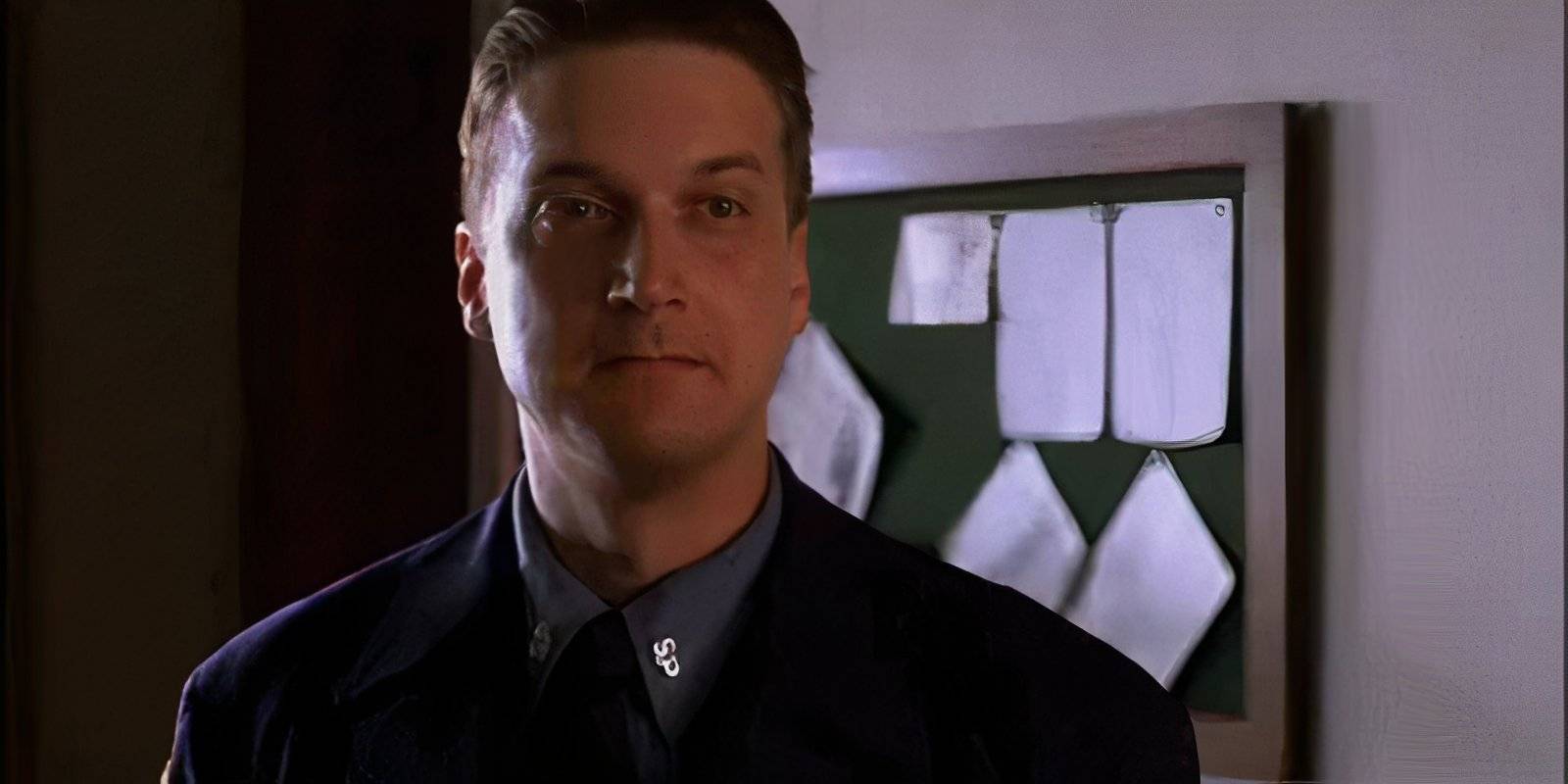
What makes Terror in a Texas Town so memorable is its blunt oddness. The title sounds like generic B-western exploitation, but the film has a weird, almost leftist pulse. A greedy businessman wants land. A Swedish whaler-turned-farmer gets murdered. His son returns and fights back with a harpoon instead of a gun. That alone is unforgettable, but the moral clarity under the pulp is what gives it life. Corruption isn't just background seasoning here—it's the whole environment. Capital and violence have fused together, and the movie knows it. Sterling Hayden's George Hansen is a large, wounded, morally simple man trying to reintroduce justice into a place where intimidation has become ordinary business. It's a furious little outlier, and that's exactly why it's great.
9. 'The Tall T' (1957)
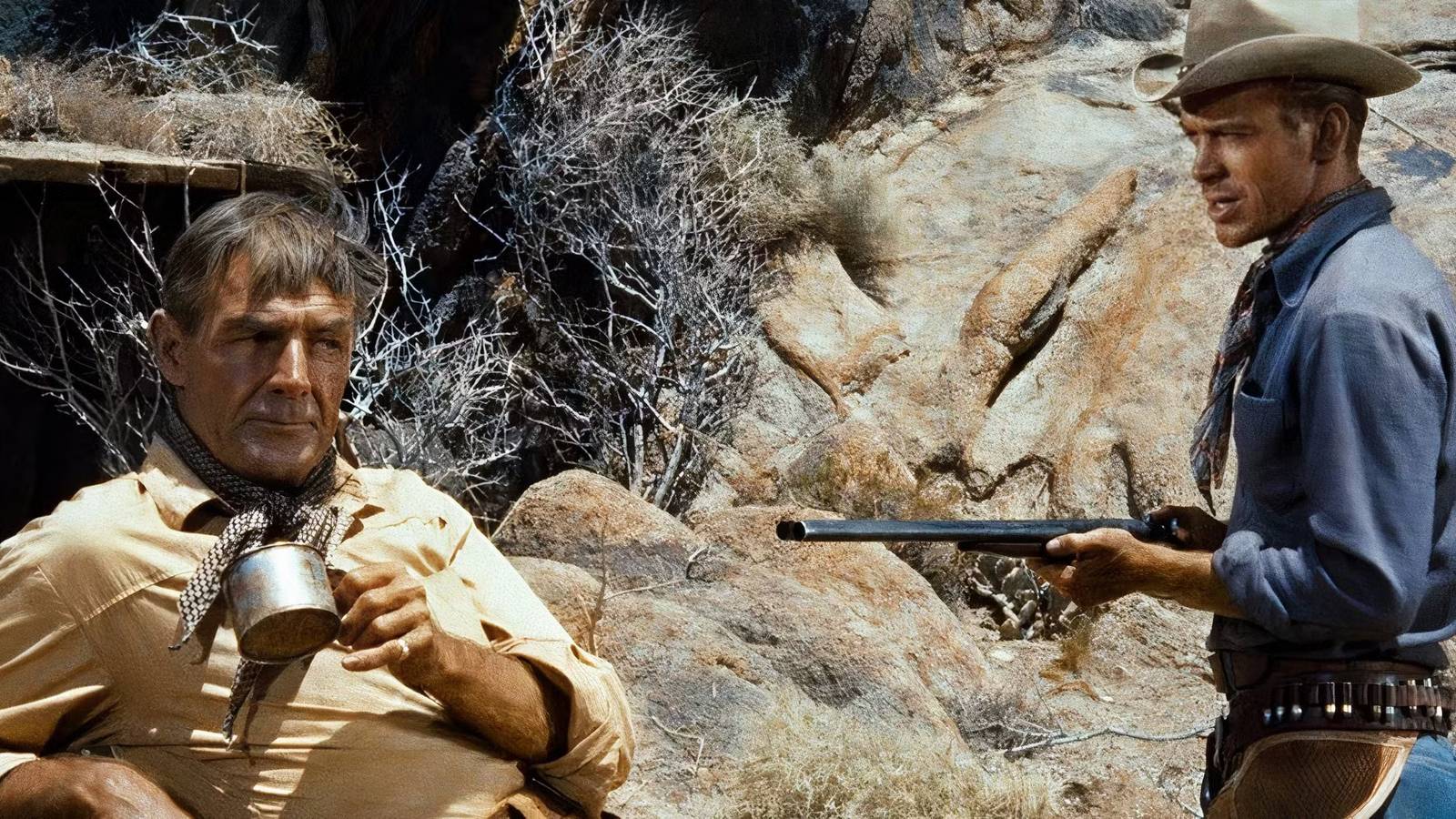
The Tall T is one of the best examples of how much psychological dread a western can create without ever being flashy. The setup is cruelly simple: Pat Brennan (Randolph Scott) gets stranded, falls in with the wrong people, and finds himself in a hostage situation with killers who don't erupt in theatrical villainy but just sit there, making the air worse by existing. The film's real gift is understanding stillness as threat, and how a western landscape can become claustrophobic once the wrong men occupy it. Scott is brilliant, but Richard Boone's Frank Usher is even better—a villain who gets under your skin because he has intelligence and a half-buried self-knowledge. He's not a cackling beast; he's a man who almost knows what life he's trapped inside and keeps choosing it anyway. The Tall T is lean, cold, and quietly devastating.
8. 'Day of the Outlaw' (1959)
This snowbound western makes you remember how hostile the genre's landscapes can become when heat and dust are replaced by ice, starvation, and male spite. A town already tangled in disputes over fencing, land, sex, and local power gets occupied by wounded outlaws led by a dying man. The result is a suffocating collision between domestic tension and criminal invasion, with the snow making everything feel more trapped, more terminal. Robert Ryan's Blaise Starrett is already part of the town's moral unease—he wants another man's wife, he's angry and proud. Then Jack Bruhn (Burl Ives) walks in with the exhausted authority of a man half-claimed by death. The film moves into the mountains, and civilization itself seems to thin out. The ending is hard and beautiful in the way great western endings are.
7. 'The Gunfighter' (1950)
This is one of the essential westerns about reputation as a prison, and it still shocks me how often it's treated as a footnote. Gregory Peck's Jimmy Ringo walks into town already carrying the entire movie on his face. He's famous, feared, hunted by younger men trying to build names by killing him, and he's tired in a way western heroes are rarely allowed to be. The great sadness of The Gunfighter is that Jimmy's skill has stopped being power and become fate. He can't enter a room without bringing death's possibility with him, and the film understands how lonely that makes a man. There's no glamour attached to his legend—every would-be showdown feels pathetic and inevitable. Jimmy wants something as small and impossible as being allowed to see his wife and son without his notoriety poisoning the room. That ache gives the whole film its force. Westerns are often about men trying to live up to myth; The Gunfighter is about a man being slowly destroyed by having lived up to it too well.
6. 'The Shooting' (1966)
This is one of the strangest, most existential westerns ever made. Directed by Monte Hellman and starring Warren Oates, it's a minimalist, almost abstract journey through a desert that feels like a fever dream. A woman hires a gunslinger to track down her husband's killer, but the film is less about plot than about paranoia, isolation, and the slow unraveling of identity. The landscape becomes a character—harsh, indifferent, and utterly unforgiving. The Shooting is a western that feels like a bad trip, and it's all the more powerful for it. It's a hidden gem that deserves to be rediscovered alongside the genre's more celebrated experiments.
These films remind us that the western is a genre of infinite variety. From the moral fury of Terror in a Texas Town to the existential dread of The Shooting, they prove that the best westerns aren't always the most famous. For more hidden gems, check out our list of Forgotten Neo-Noirs That Came This Close to Perfection or dive into Endlessly Rewatchable Detective Shows. And if you're in the mood for a modern take on the genre, don't miss Netflix's Neo-Western 'Ransom Canyon' Season 2.