There's a special kind of heartbreak reserved for horror movies that should have become genre staples but somehow didn't. Not the obscure ones that never had a chance—I mean the ones that landed, that made someone stare at a hallway differently, that left an image lodged in your brain for years, and still slipped into that awful category of "you've seen that?"
Horror has this problem more than almost any genre. The canon gets sticky. The same titles keep circulating. Meanwhile, a second lineage—stranger, sadder, more diseased, more dream-rotted—keeps pulsing underneath. And the beautiful thing is that these films are not leftovers. They are not "good for what they are." They are actually great. These ten all deserve far more love than they usually get, and the higher you go on the list, the more serious the robbery starts to feel.
10. 'Dead & Buried' (1981)
I have such affection for Dead & Buried because it understands that small-town horror should never be cozy. The town should not feel quirky. It should feel off. It should feel like everybody has agreed to keep smiling one beat too long. That is exactly the movie's strength. It begins almost like a murder mystery dipped in rot, with corpses, strange behavior, and a sheriff trying to understand why the people around him seem locked inside some awful local ritual. The film keeps withholding just enough that your brain starts doing the sick work for it. Something is wrong with the town. Something is wrong with death itself. Something is wrong with the way people keep looking at each other.
And then it just gets meaner. That is what I admire about it. It does not spend all its time playing coy with its own nastiness. Once it starts revealing what kind of nightmare it is, the movie turns into this grotesque little masterpiece of embalmed Americana, a place where normalcy has become taxidermy. The gore matters, yes. The effects matter. But the real reason it sticks is atmosphere. That stiff, smiling, funeral-home atmosphere. You can practically smell varnish and seawater on it. A lot of forgotten horror films are worth checking out. Dead & Buried is better than that. It is a proper sickness.
9. 'The Sentinel' (1977)
I have a lot of affection for The Sentinel because it is one of those horror films that seems to exist under a curse of tonal instability, and somehow that makes it more upsetting instead of less. On paper, it sounds like familiar apartment-horror territory: a model (Cristina Raines) moves into a Brooklyn brownstone, the building is full of strange tenants, and reality starts decaying around her. Fine. But the film is so aggressively, almost recklessly bizarre in its escalation that it stops feeling like a haunted-building movie and starts feeling like Catholic panic breaking through the walls.
That is the key to it. The movie does not want you comfortable. It does not want to glide you through one clean register of fear. It wants you spiritually harassed. The visions, the grotesques, the old-world damnation imagery, the sense that the apartment is not simply haunted but cosmologically placed, all of that gives it a nasty grandeur that a lot of more polished horror never finds. Raines carries the film with exactly the right fragile alarm, and the whole thing builds toward a theological reveal so huge and blunt that you either laugh nervously or feel a genuine chill. I do both. Every time.
8. 'Messiah of Evil' (1973)
This is one of the purest nightmare films on the list. Not plot-heavy nightmare. Not "dream logic" in the lazy, critic-buzzword sense. I mean actual nightmare texture. Messiah of Evil drifts into its coastal California town like it is wandering into a place already abandoned by normal human meaning. A woman arrives looking for her missing father, and almost immediately the movie starts surrounding her with faded murals, hollow spaces, eerie locals, and that magnificent, terrible feeling that whatever happened here did not end when it happened. It soaked into the environment.
What makes the film so haunting is that it does not rush to solidify itself. It lets dread spread through architecture and color and silence. The famous set pieces, especially the supermarket and theater sequences, are among the most genuinely oneiric scenes in 1970s horror. They do not rely on noise. They rely on the deep wrongness of being watched by people who do not feel fully alive anymore. And then beneath all that, there is this strange sadness to the movie, almost an end-of-the-world fatigue. Messiah of Evil feels like society has already died and only habit is still walking around in a human shape. That is horror I will always worship.
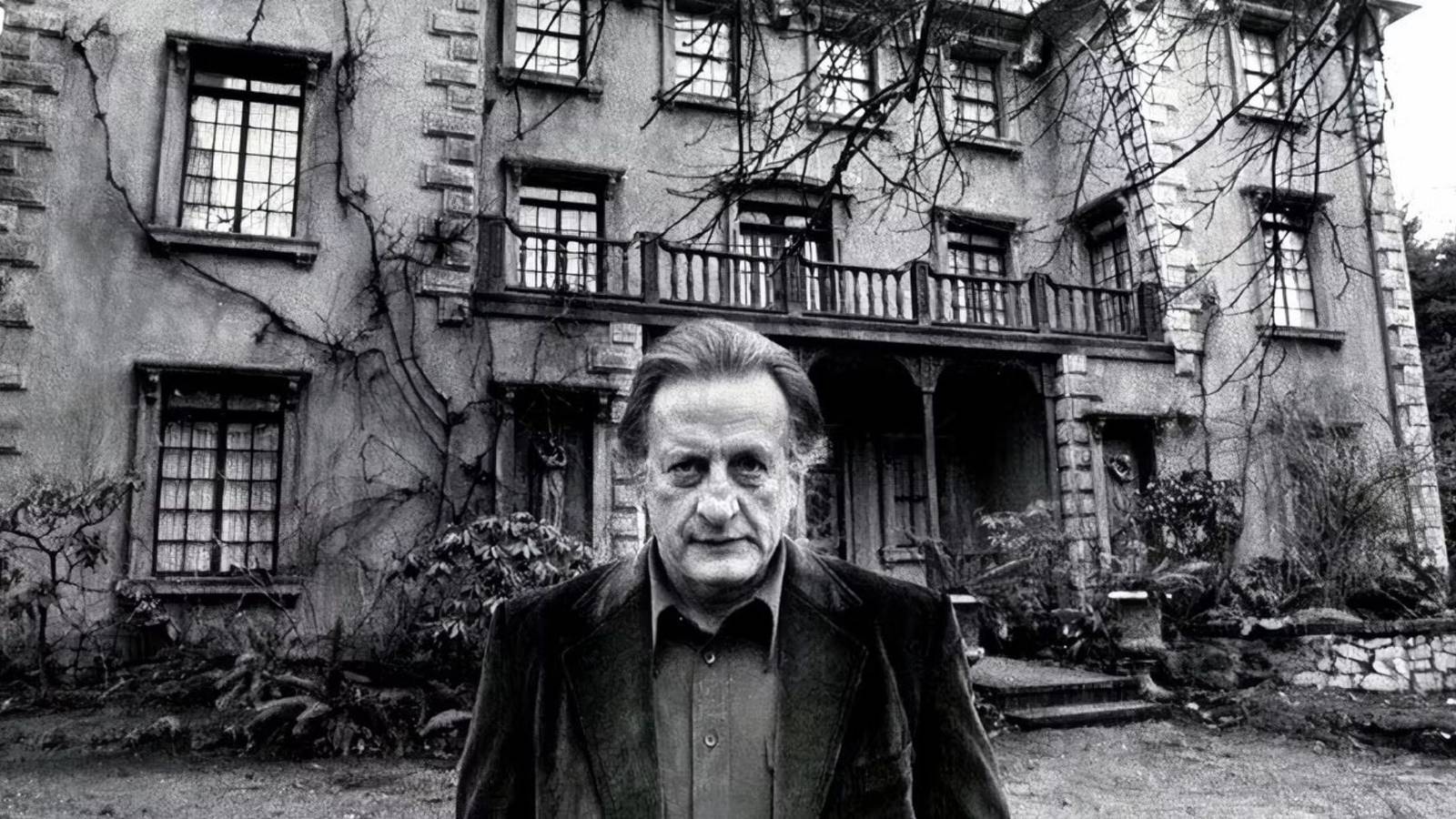
7. 'The Changeling' (1980)
There are haunted-house movies that throw things at the walls and scream until something sticks. Then there is The Changeling, which knows that grief is already a haunting before the ghost does anything. That is why it works so beautifully. John Russell (George C. Scott) is not just sad but hollowed. The film understands that bereavement makes silence louder.
So when he moves into that giant old house, the supernatural elements feel like pressure. A noise. A ball. A space in the house that starts to feel occupied by memory that is not his. And because the movie is patient, every revelation lands harder. The séance is an excellent ghost. The wheelchair. The attic. The tape recorder. That incredible sense that the house is not merely inhabited by an angry spirit but by a buried crime demanding narrative completion. It is a masterclass in slow-burn horror that rewards patience. For more on how grief fuels terror, check out our piece on why Mike Flanagan's 'Midnight Mass' demands a rewatch.
These films prove that the forgotten corners of horror are often its richest. Whether you're a seasoned fan or a newcomer, these ten deserve a spot in your watchlist. Don't let them slip away again.