Fantasy television has grown from niche programming to a dominant force in entertainment, creating entire universes that captivate millions. The genre's evolution is marked by series that dared to be different, blending magic with meaningful themes and setting benchmarks that every new show must now consider. These aren't just stories; they are the architectural pillars upon which modern fantasy television stands.
Game of Thrones (2011–2019)
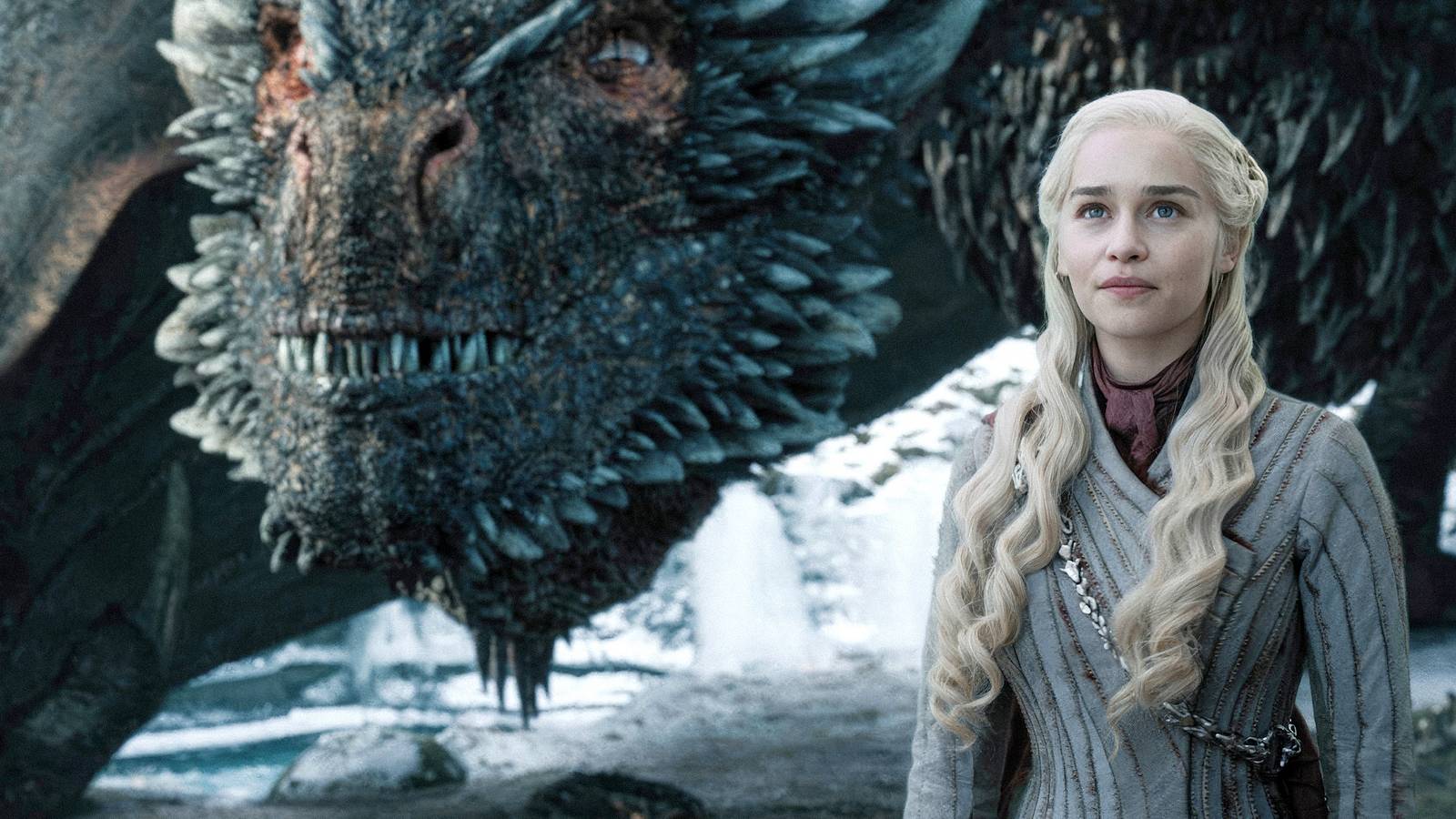
HBO's adaptation of George R. R. Martin's novels didn't just tell a story—it reshaped the entire television landscape. By bringing epic, politically-charged fantasy to a mainstream audience, the series proved that complex world-building and morally ambiguous characters could become a global obsession. Its willingness to subvert expectations, particularly with major character deaths, created a new template for narrative stakes. The show's legacy continues to influence productions today, and fans eagerly await its expanding universe, including the recently announced 'Aegon's Conquest' film.
The Lord of the Rings: The Rings of Power (2022–Present)
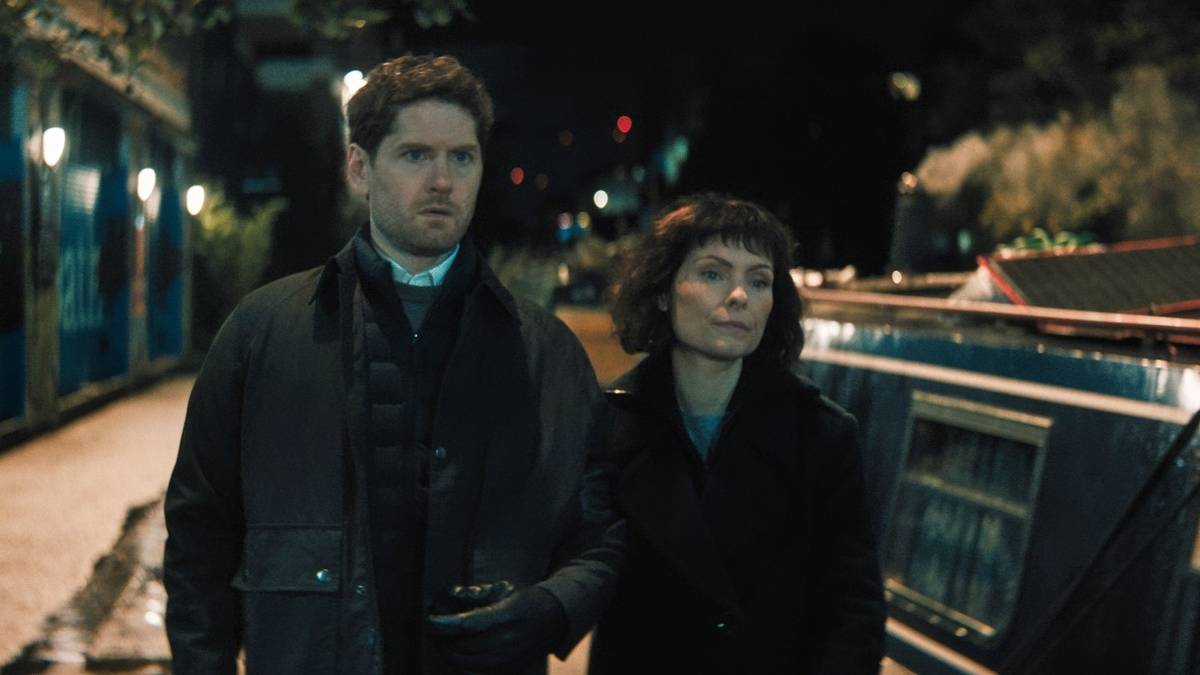
Amazon's monumental series represents a new peak for production scale in fantasy television. Set millennia before the familiar events of Tolkien's trilogy, it explores the forging of the rings and the rise of darkness in Middle-earth's Second Age. With an unprecedented budget, the show demonstrates how streaming services can resurrect legendary worlds for a new generation, merging literary depth with cinematic spectacle. It sets a high bar for visual ambition in the genre.
Xena: Warrior Princess (1995–2001)
Long before fantasy epics became weekly events, this syndicated adventure carved its own path. Following the redeemed warrior Xena and her bard companion Gabrielle, the series mixed mythology, action, and camp into a uniquely influential formula. It championed a complex female protagonist whose journey was about atonement and strength, paving the way for countless heroines to follow and proving that fantasy could thrive outside traditional network structures.
Buffy the Vampire Slayer (1997–2003)
Joss Whedon's seminal series masterfully blended supernatural threats with the very real horrors of adolescence. By using vampires and demons as metaphors for personal struggles, Buffy Summers' story gave fantasy television a new emotional resonance. Its innovative "big bad" seasonal structure, witty dialogue, and focus on found family created a blueprint that countless supernatural dramas still follow. It proved that fantasy could be both deeply personal and wildly entertaining.
His Dark Materials (2019–2022)
This ambitious BBC and HBO collaboration tackled Philip Pullman's dense, philosophical novels, bringing concepts like Dust and daemons to vivid life. Its success lies in a faithful yet accessible adaptation that trusts its audience with complex themes of theology, consciousness, and rebellion. The series stands as a testament to how literary fantasy can transition to screen without losing its intellectual soul, offering a model for future adaptations of challenging material.
The impact of these shows extends beyond their runtimes. They have expanded what audiences expect from fantasy—higher production values, nuanced characters, and stories that grapple with real-world issues through a fantastical lens. Just as blockbuster movies defined cinema for decades, these television landmarks have defined a genre for the modern era. They remind us that the best fantasy holds up a mirror to our own world, asking timeless questions about power, identity, and humanity, all while dazzling us with the impossible.