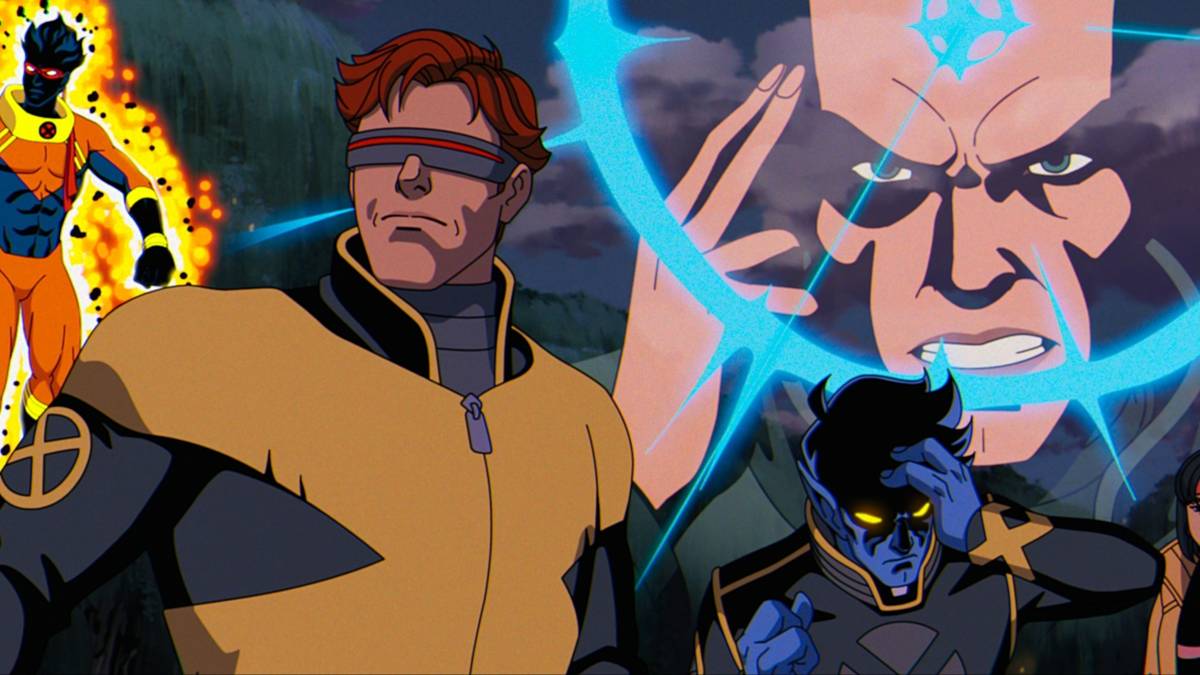
The second season of X-Men '97 has come to a close, and while the early episodes promised greatness, the finale leaves a lot to be desired. The season's biggest letdown? The handling of Apocalypse, one of the X-Men's most formidable foes. Despite a strong start, the show's back half loses its grip on the character, resulting in a conclusion that feels more like a fizzle than a bang.
From the outset, Season 2 set up Apocalypse as the ultimate threat, with his ominous presence looming over the narrative. However, as the season progressed, the focus shifted, and the payoff for his grand return fell flat. The penultimate episode, "The Dead Man's Hand," revealed that Apocalypse had transferred his soul into the resurrected Gambit, a twist straight from the comics. But the execution left viewers scratching their heads, as the villain's motivations became murky and unclear.

One of the biggest problems is that Apocalypse's endgame is never properly defined. In the original animated series, Apocalypse was a calculating mastermind with clear goals, but here, his actions seem erratic and confusing. The show never clarifies whether Gambit's interactions with Rogue were his own or if Apocalypse was pulling the strings, making it hard to invest in either character's arc. This ambiguity undermines the threat Apocalypse poses, reducing him to a plot device rather than a compelling antagonist.
Adding to the disappointment is the fact that the original X-Men: The Animated Series already delivered the definitive Apocalypse storyline with "Beyond Good and Evil." That arc saw Apocalypse attempting to rewrite reality itself, only to be thwarted in a climactic showdown. It was a fitting end for the character, one that X-Men '97 fails to surpass. The new season's attempt to resurrect him feels like a step backward, especially when compared to the epic scale of the original.
This isn't the first time Marvel has struggled to adapt Apocalypse for the screen. The 2016 live-action film X-Men: Apocalypse also fumbled the character, reducing him to a generic world-ending threat who was easily defeated by a deus ex machina. The problem lies in Apocalypse's near-omnipotent nature, which makes him difficult to write convincingly without resorting to contrived weaknesses. In X-Men '97, putting him in Gambit's body seems like a cheap way to nerf him, especially after he received a Celestial power boost earlier in the season.
The season's back half also suffers from a disjointed narrative, likely due to behind-the-scenes changes. The show underwent creative shifts after Beau DeMayo's departure, and it shows. The pacing feels off, and the finale lacks the emotional weight and action spectacle that fans have come to expect. Even the confrontation with Professor X and Magneto, which should have been a highlight, feels rushed and underwhelming.
Looking ahead, X-Men '97 needs to refocus its storytelling if it wants to do justice to its iconic characters. Apocalypse deserves better than a muddled, half-baked arc. Perhaps it's time for Marvel to give the character a rest and let future seasons explore other villains with more clarity and purpose. As it stands, the Season 2 finale is a missed opportunity, leaving fans hoping for a stronger comeback in the future.
For those interested in the broader Marvel landscape, the struggles with Apocalypse echo similar issues in other adaptations. Essential Marvel comics often handle these characters with more nuance, and it's a shame the screen versions don't always measure up. Meanwhile, X-Men '97 has revived other forgotten powers, but this season's villain handling is a step back.