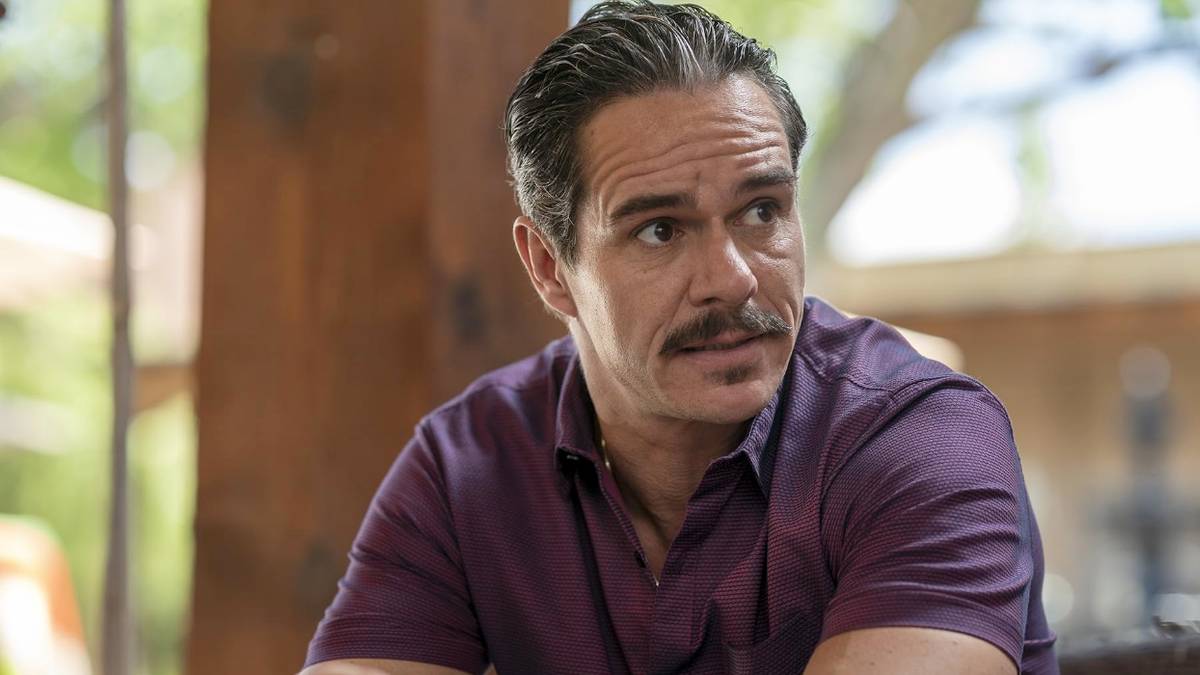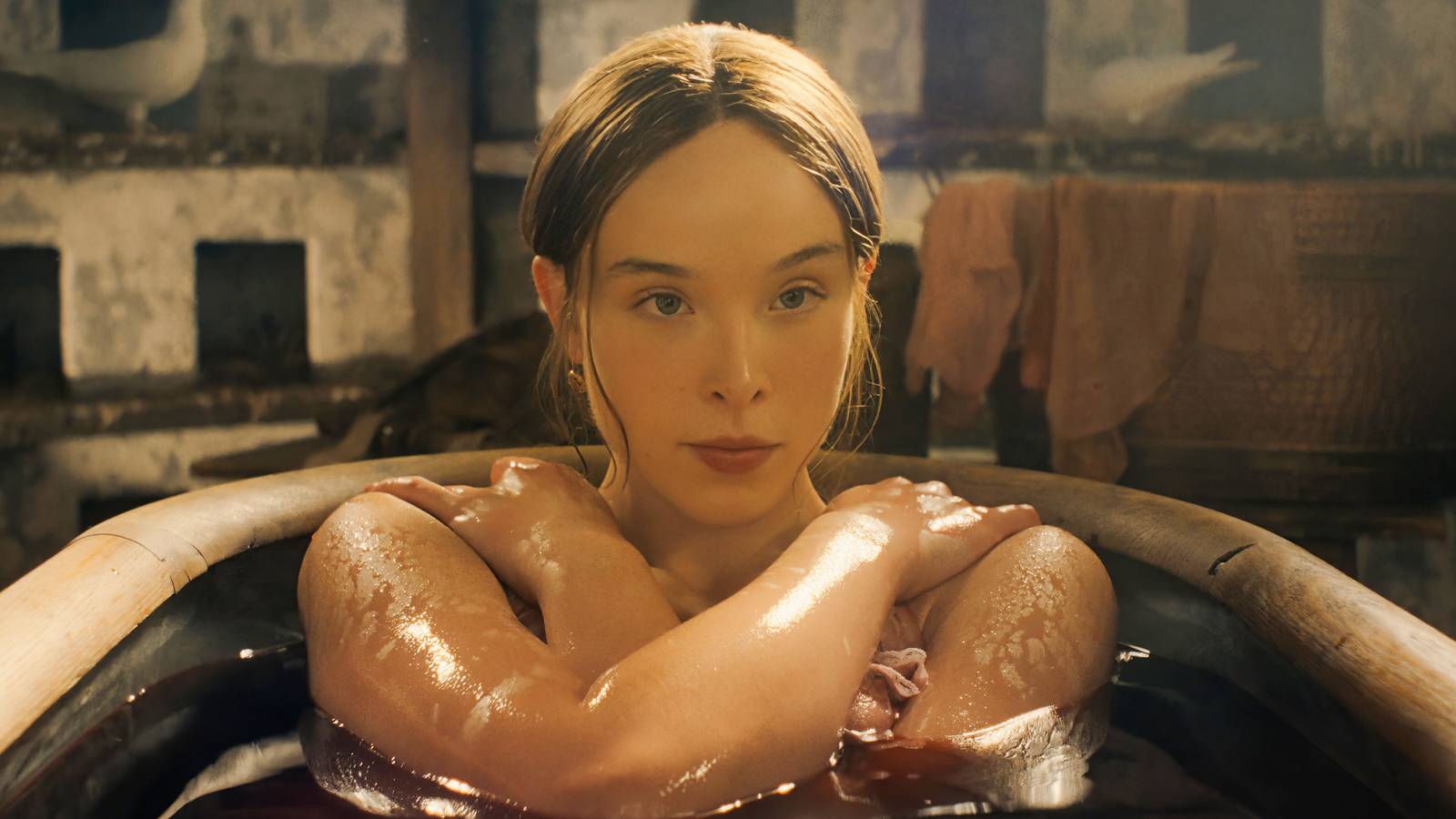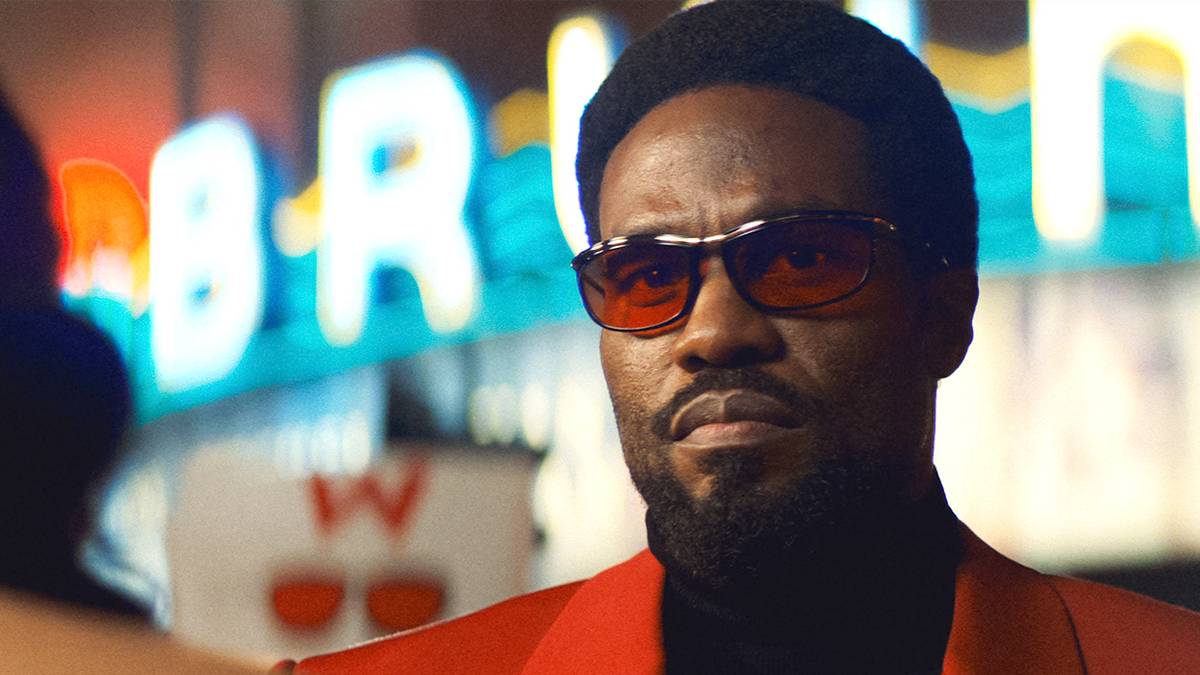
When Wonder Man debuted on Disney+ in January, it felt like a breath of fresh air in the superhero genre. The eight-episode comedy, starring Yahya Abdul-Mateen II as Simon Williams, was more than just capes and quips—it was a sharp, heartfelt look at the entertainment industry and the grueling reality of being an actor, especially when you're secretly superpowered. With a stellar cast including Ben Kingsley as the scene-stealing Trevor Slattery and cameos from Josh Gad and Joe Pantoliano, the show earned glowing reviews and a quick Season 2 renewal just two months later. So when Disney abruptly pulled the plug last week, it sent shockwaves through the fandom—and exposed a much deeper issue plaguing Marvel and the streaming world at large.
Even the Showrunner Was Blindsided
The cancellation was all the more baffling because Abdul-Mateen II had just landed an Emmy nomination for his performance, giving the series a major visibility boost. Showrunner Andrew Guest took to TikTok to express his disbelief, revealing that contracts were signed, schedules cleared, and the writers' room was set to begin this month, with production slated for early next year. He noted that Disney and Marvel made an internal decision that the show no longer made sense for them, even though it did just months ago. Guest also pointed to a larger conversation about the kinds of stories platforms are choosing to prioritize—a comment that resonates deeply in today's streaming landscape.
The Elusive Definition of Success
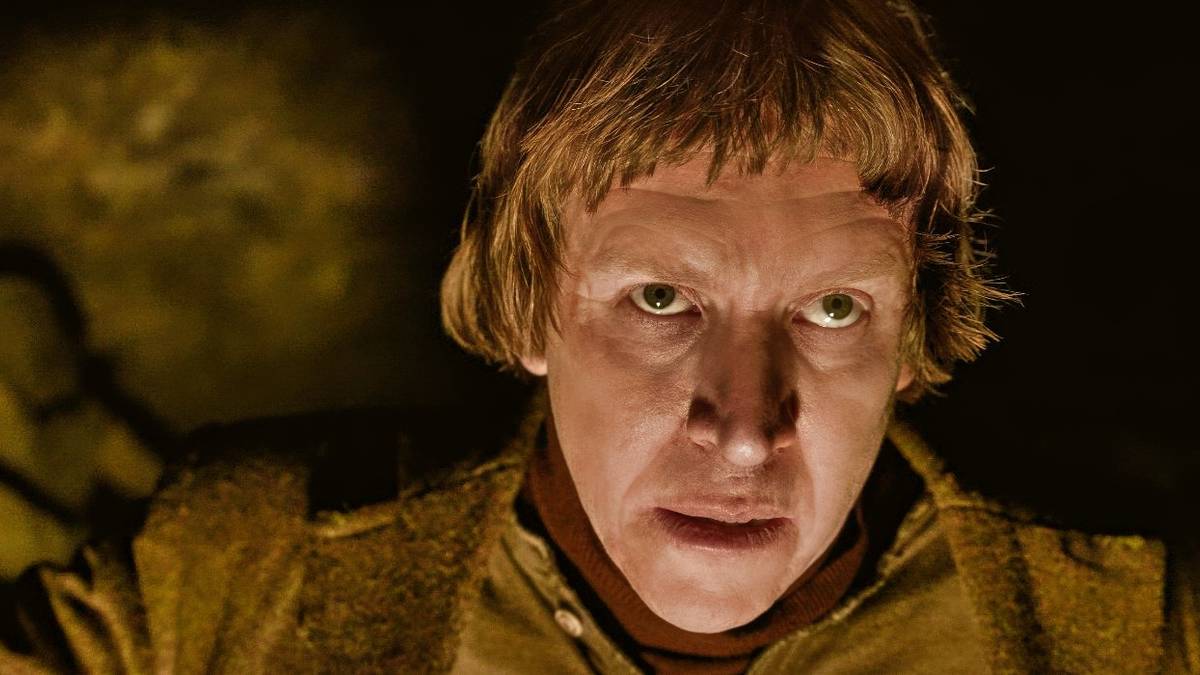
This isn't just a Wonder Man problem. It's becoming increasingly difficult to figure out what actually keeps a show alive. Awards used to be a strong indicator, but recent Emmy-nominated series like Palm Royale and Poker Face have also been axed. Ratings? Not a guarantee either. Netflix's The Boroughs hit #1, spent four weeks in the global Top 10, and drew over 20 million viewers in a month—yet still got canceled for economic reasons. Studios are increasingly unwilling to fund expensive episodes that don't deliver a clear return on investment, and in Wonder Man's case, even the showrunner isn't sure what tipped the scales.
Viewers Are Losing Faith
This trend is eroding viewer trust. Fans are growing weary of investing in new shows only to see them unceremoniously dropped, often with cliffhangers unresolved. The commitment to starting a fresh series feels like a gamble, and many are choosing to wait and see if a show survives before diving in. That hesitation, in turn, makes it harder for new shows to build an audience, creating a vicious cycle. The industry's reluctance to give shows room to grow—to find their footing and their fanbase—is a stark contrast to the old network model, where series often got multiple seasons to evolve.
Marvel, in particular, is at a crossroads. The studio has already faced backlash over the cancellation of Blade, and now Wonder Man adds to a growing list of projects that never got a fair shot. Even the promise of hidden Easter eggs in other MCU entries can't mask the frustration. If Marvel can't commit to its own acclaimed series, what does that say about its streaming strategy?
The bigger question looms: in an era where algorithms and quarterly earnings often trump creative merit, is there any metric that can truly guarantee a show's longevity? Critical acclaim, awards, and even massive viewership numbers no longer seem to be enough. As Wonder Man joins the ranks of prematurely canceled gems, it's clear that the streaming industry needs to rethink its definition of success—or risk losing the very audiences it's trying to entertain.