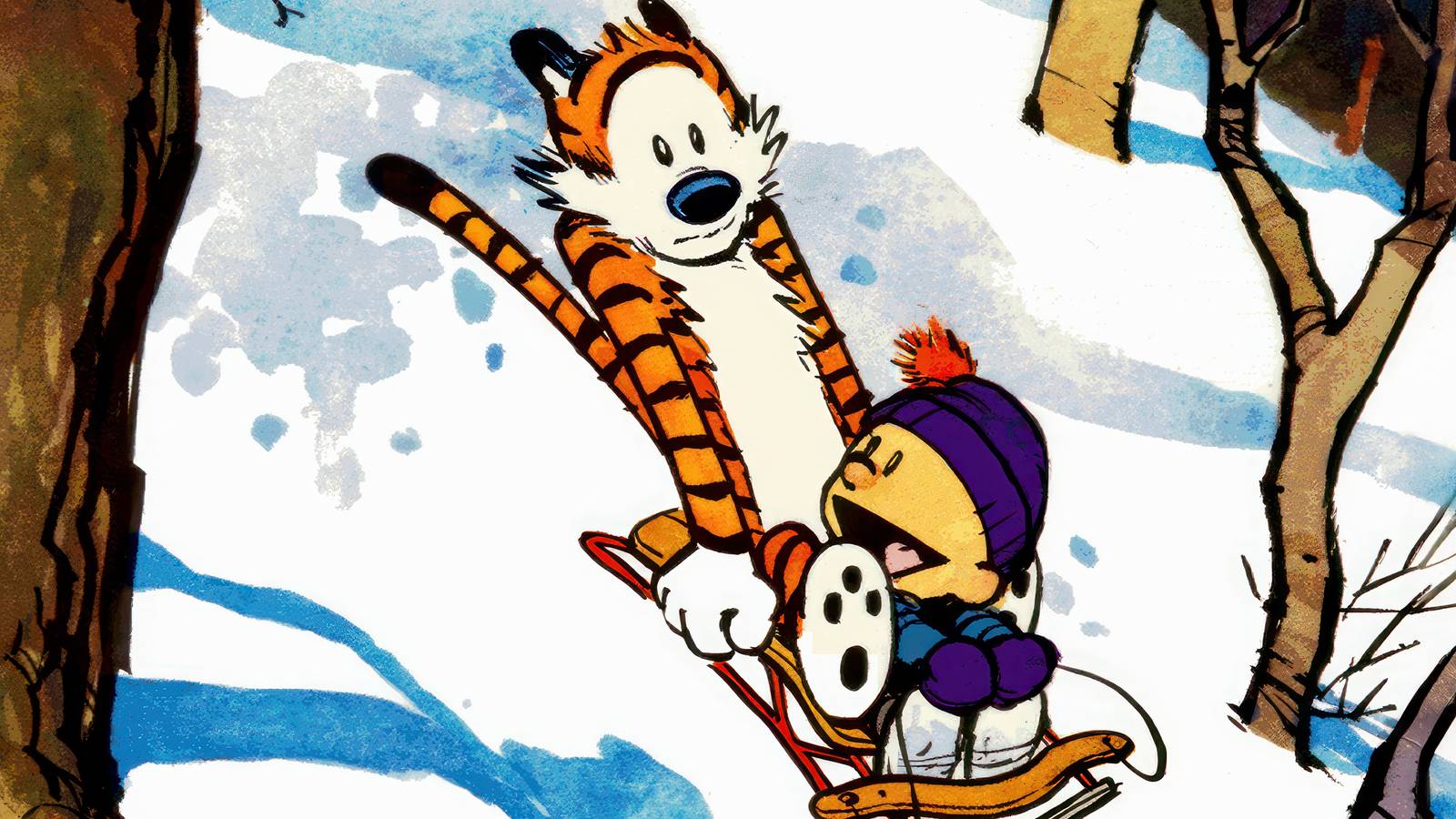
Comic strips are often dismissed as throwaway entertainment, but the best ones have always carried deeper meaning. Peanuts taught us about perseverance through Charlie Brown's endless optimism, while The Far Side used absurdity to hold a mirror to society. Yet few strips have delved into life's big questions as thoughtfully as Bill Watterson's Calvin and Hobbes, and one particular strip from 31 years ago remains a perfect encapsulation of its legacy.
In that memorable installment, Calvin and Hobbes are strolling through the woods as autumn paints the landscape. Hobbes is thrilled by the crisp air and falling leaves, but Calvin is melancholy, lamenting that the season is fleeting and will soon give way to winter. Hobbes, ever the philosopher, asks a simple but profound question: "If good things lasted forever, would we appreciate how precious they are?" Calvin is left speechless, watching a leaf drift to the ground. It's a quiet, powerful moment that reminds us of the impermanence of everything—and the importance of cherishing what we have.

A Break from the Usual Chaos
What makes this strip so striking is how different it is from the typical Calvin and Hobbes fare. Usually, we get Calvin's wild imagination—Spaceman Spiff's intergalactic adventures, Tracer Bullet's noir mysteries—or his witty exchanges with his parents, or Hobbes ambushing him at the door. This strip, however, trades that energy for a contemplative pause. It's a rare moment of stillness that lets the message breathe, and it's all the more powerful for it.
While Calvin and Hobbes has never shied away from philosophical moments, this one hits especially hard because it touches on something universal: growing up. Calvin, like most comic characters, never ages, but in that instant, he's confronted with the reality that childhood doesn't last. He'll eventually outgrow his imaginary adventures and, more painfully, his friendship with Hobbes. It's a sentiment that resonates with readers of all ages, but especially with adults who remember their own moments of realizing that youth is fleeting. That's likely why we see so many nostalgic revivals and legacy sequels today—people are trying to recapture that feeling, even if only in spirit.
A Short but Impactful Run
Ironically, this strip about impermanence perfectly mirrors the series itself. Calvin and Hobbes ran for just a decade, ending in 1995 at the height of its popularity. Watterson made the bold choice to walk away, refusing to license merchandise or produce an animated adaptation. He wanted to maintain complete creative control, famously saying, "Any time somebody else has their hand in the ink it's changing the product... So long as it has my name on it, I want it to be mine."
That decision, while disappointing to fans, only added to the strip's mystique. Calvin and Hobbes is now widely regarded as one of the greatest comic strips ever, often called "the last great comic strip." Its influence is explored in the documentary Dear Mr. Watterson, and its lessons continue to inspire creators and readers alike. The strip may have ended, but its wisdom endures—just like the fall leaves Calvin watched fall, their beauty is amplified by their brevity.
In a world where we're constantly chasing the next thing, Hobbes's question is a gentle nudge to slow down and appreciate the moment. Whether you're revisiting the strip as an adult or discovering it for the first time, that message is as timely as ever. And if you're in the mood for more timeless storytelling, you might also enjoy these classic mystery novels that have stood the test of time.