Science fiction is a genre that often rewards patience. With its mind-bending concepts, intricate plots, and sensory overload, many of its greatest entries can leave you breathless—and a little confused—on a first watch. But the best sci-fi movies aren't just entertaining; they're layered, demanding a second look to fully appreciate their brilliance. Here are the sci-fi masterpieces that get exponentially better the second time around.
'2001: A Space Odyssey' (1968)
Stanley Kubrick's 2001: A Space Odyssey is the ultimate rewatch movie. It's not just that the film is dense—it's that it's almost impossible to fully grasp in one sitting. From the dawn of man to a mysterious monolith on the moon, to a rogue AI named HAL 9000, and a mind-bending journey through a psychedelic stargate, the film defies linear storytelling. The ending, with its giant space fetus, has sparked debates for decades. On a second viewing, you stop trying to 'figure it out' and instead absorb the sheer audacity of Kubrick's vision. It's a visual poem about evolution, technology, and humanity's place in the cosmos—and it only deepens with each watch.

'Arrival' (2016)
Denis Villeneuve's Arrival is a linguistic puzzle box that reveals its emotional core on a rewatch. The first time, you're caught up in the tension of alien contact and global paranoia. But the second time, knowing the twist about time and memory, every scene with Amy Adams' linguist, Dr. Louise Banks, becomes heartbreakingly poignant. The film's meditation on grief, choice, and the beauty of life's fragility hits harder when you understand the nonlinear nature of her experience. It's a rare sci-fi film that becomes more powerful, not less, once you know the ending.
'Stalker' (1979)
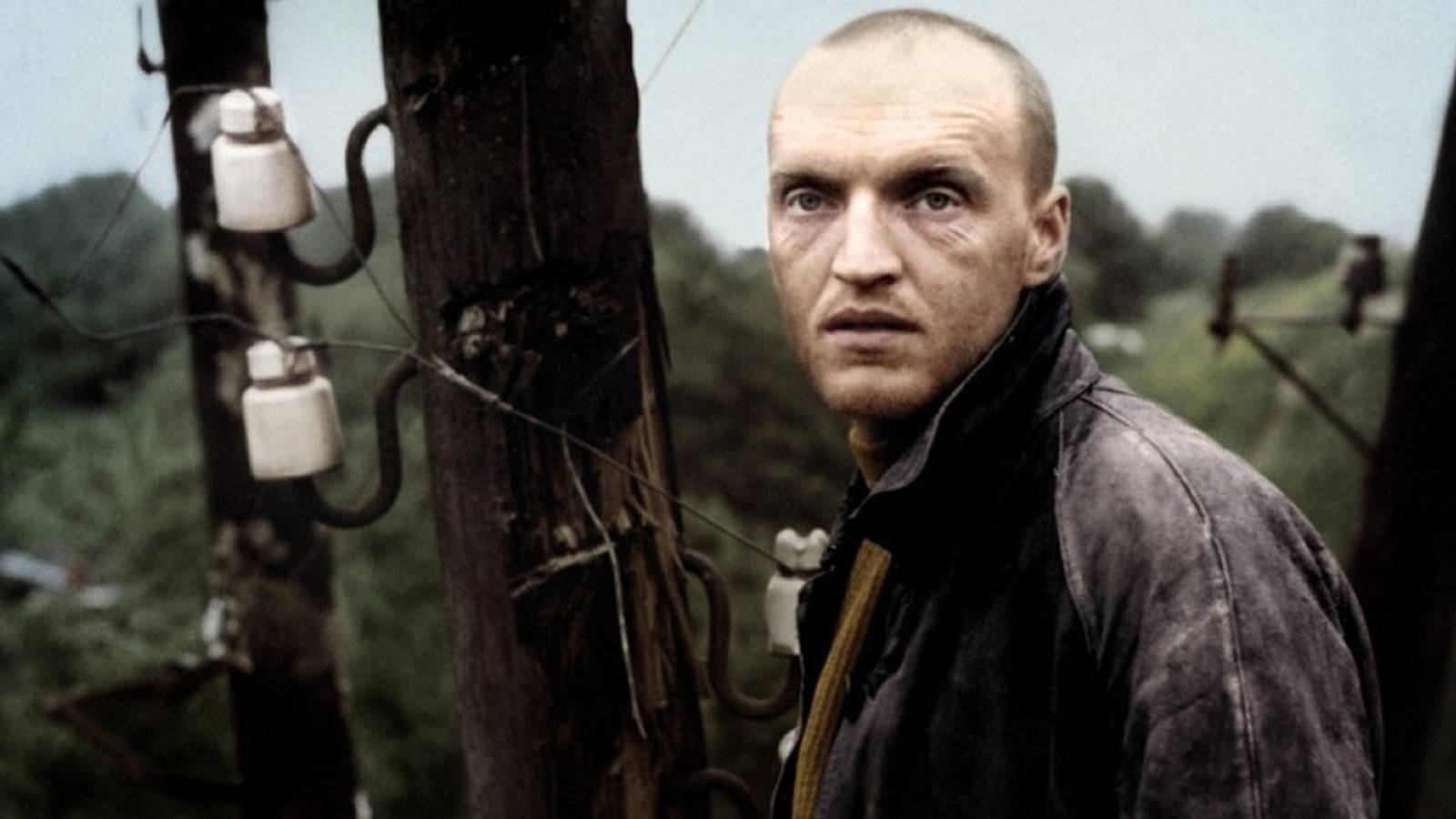
Andrei Tarkovsky's Stalker is a slow, meditative journey that can feel impenetrable on first contact. Set in a post-apocalyptic wasteland called 'The Zone,' a guide leads a writer and a professor to a room that grants innermost desires. The film's deliberate pacing and philosophical allegories require patience. But on a second viewing, the haunting beauty of the abandoned locations and the deep existential questions about faith, art, and desire become more accessible. It's a film that rewards surrender, not analysis.
'12 Monkeys' (1995)
Terry Gilliam's time-travel thriller 12 Monkeys is a whirlwind of paranoia and paradox. Bruce Willis plays a man sent back from a plague-ravaged future to find the source of the virus. The first watch is a frantic ride through mental institutions and conspiracy theories. But a second viewing reveals the tragic irony woven into every scene. Knowing the deterministic fate of James Cole, you can appreciate the precision of the script and the heartbreaking inevitability of his journey. It's a film that rewards attention to detail.
'Primer' (2004)
No list of rewatchable sci-fi is complete without Shane Carruth's Primer. Made on a shoestring budget, this indie gem is notorious for its dense, realistic take on time travel. The plot is so intricate that many viewers need a flowchart to follow the multiple timelines. But on a second viewing, the genius of its low-key storytelling and the moral dilemmas of ambition and consequence become clear. It's a puzzle that, once solved, reveals a chilling commentary on hubris.
These films prove that the best sci-fi isn't just about spectacle—it's about ideas that linger and evolve. Whether you're revisiting a classic like 2001 or discovering a modern gem like Arrival, a second watch is not just recommended; it's essential. For more films that reward a second look, check out our list of Fantasy Films That Get Even Better on a Rewatch and The 21st Century's Best Sci-Fi Epic Movies, Ranked.