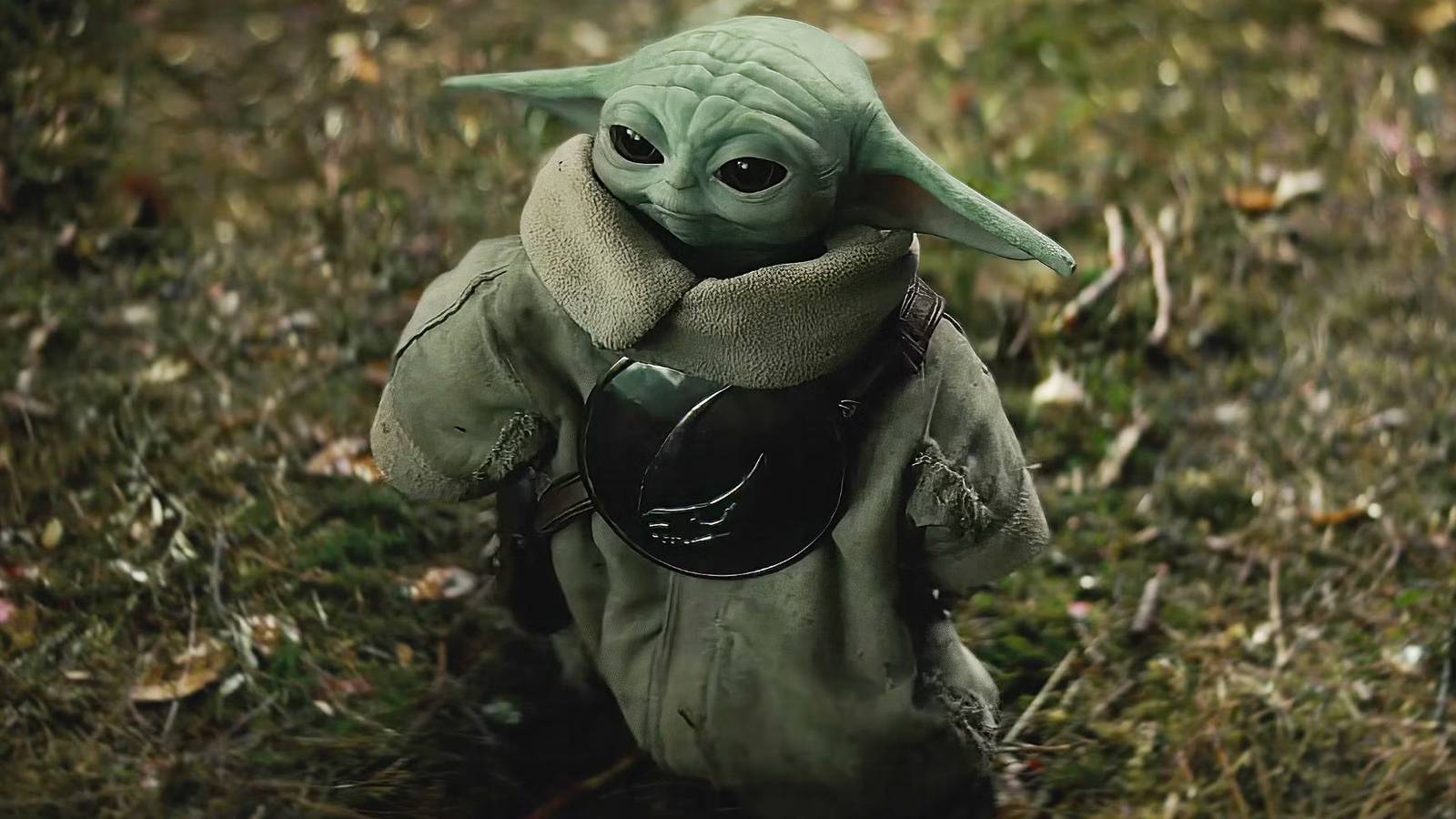
Let's be honest: the announcement of The Mandalorian and Grogu should be a no-brainer for Star Wars fans. It's the franchise's first theatrical release since The Rise of Skywalker, it stars the duo that saved Disney+, and it's set for a massive IMAX rollout on May 22, 2026. Jon Favreau has even promised it'll work for newcomers who haven't binged every episode. That's the optimistic pitch.
But optimism isn't the same as momentum. A growing number of fans and critics are finding it hard to muster genuine excitement—not out of spite, but because of real structural issues in the material Favreau is bringing to the big screen. The story world already felt stretched on TV, the central emotional arc may have peaked, and the lore risks alienating casual moviegoers. It's not that the film can't succeed; it's that the skepticism has solid roots.
Is This Just Season 4 in Disguise?
Favreau has insisted The Mandalorian and Grogu isn't simply a compressed version of Season 4, and he's stressed that a feature film must be accessible in ways a series doesn't have to be. That's the official line, and it's worth taking seriously. Yet the concern lingers because the movie occupies the exact space where fans assumed the next chapter would go. Favreau himself told AP that he wrote both the planned TV continuation and the film simultaneously, so even if the movie stands alone, it carries the shadow of serialized material.
Television teaches audiences to expect detours, side quests, and lore pickups—things that postpone catharsis because another episode is coming. The fear isn't that the movie is literally chopped-up TV; it's that it might feel like TV material inflated into event form. After nearly seven years without a Star Wars theatrical release, fans want lift, not continuity. They want a movie that feels like it had to exist as a movie. Right now, this project still has to prove that.
The Emotional Arc May Be Spent
Perhaps the biggest concern is rooted in the actual emotional architecture of the series. The most dramatic movement in Din Djarin and Grogu's relationship—separation, reunion, and formal father-son recognition—has already happened. Season 2 climaxed with Din handing Grogu over to Luke Skywalker. Then The Book of Boba Fett brought Grogu back, and Season 3 ended with Din adopting him as his apprentice. That's not minor progression; it's the core bond reaching a very full milestone.
So what's the next movie-size emotional move? That's the real question. The duo are still adorable and marketable, but easy to root for isn't the same as dramatically ascending. If the film can't find a new pressure point—a real test of identity, trust, or destiny—it risks feeling like a beautifully engineered encore after the loudest applause has already happened. Familiar affection can carry a season, but a theatrical release needs more.
Season 3 Cooled the Momentum
On Rotten Tomatoes, The Mandalorian Season 1 and 2 both sit at 93% from critics, while Season 3 dropped to 84%. The audience score is even starker: the first two seasons are in the low 90s, but Season 3 sits at 51% on the Popcornmeter. Those numbers aren't the whole story, but they show a broad cooling in consensus.
For many fans, Season 3 felt like the series drifted from its strongest identity. What started as a stripped-down western-samurai adventure with one central relationship became bogged down in Mandalore politics, side-path mythology, and franchise connective tissue. The clean propulsion that made the first run so lovable was diluted. A theatrical leap feels more thrilling when the TV runway ends on a high, but this one ends on debate.
A Rescue Hook That Feels Small
Lucasfilm's public setup for the film involves a rescue mission for Rotta the Hutt—Jabba the Hutt's son. While that might work as an episode, it feels underwhelming for Star Wars' grand theatrical return. After years of galaxy-spanning stakes, a Huttlet rescue doesn't scream "event cinema." It's a premise that could easily have been a two-parter on Disney+, and that's precisely the problem.
For context, other franchises are raising the bar: Lee Pace's Thranduil returns in The Hunt for Gollum, and 007 First Light is generating Game of the Year buzz. Meanwhile, Star Wars is asking fans to get hyped about a baby Hutt. It's not that the story can't be good—it's that the scale feels off.
The Lore Tax on Casual Viewers
Favreau has said the movie will work for newcomers, but the reality is that The Mandalorian and Grogu is deeply embedded in a lore ecosystem that includes two seasons of the show, The Book of Boba Fett, and now references to Hutts and Mandalorian politics. Even if the plot is self-contained, the emotional weight relies on years of investment. Casual moviegoers may feel like they're walking into the middle of a conversation.
That's a risky bet for a theatrical event. Streaming audiences are used to bingeing, but moviegoers want a complete experience in two hours. If the film leans too heavily on prior knowledge, it could alienate the very audience it needs to succeed.
Bottom Line: Hope vs. Reality
None of this means The Mandalorian and Grogu will be bad. Favreau is a talented storyteller, and the duo remain beloved. But the skepticism is earned. The emotional arc has peaked, the TV momentum cooled, and the premise feels small. For a franchise that once defined cinematic events, this return needs to prove it's more than a glorified TV episode on the big screen.
As we wait for May 2026, fans can revisit the show's best moments—like how The Mandalorian became the ultimate sci-fi western—and hope that Favreau has a surprise up his sleeve. But for now, it's hard to care as much as we want to.