Quentin Tarantino has built a career on knowing exactly when to twist the knife. His films are a chaotic blend of explosive violence, razor-sharp dialogue, and darkly comic absurdity, but what truly sets him apart is his mastery of tension. He understands that the most unbearable moments aren't the ones where bullets fly—they're the ones where you're waiting for the first shot to ring out. And nowhere is that more evident than in the opening of Inglourious Basterds, a sequence that, nearly two decades later, still stands as the gold standard for World War II cinema.
A Masterclass in Suspense
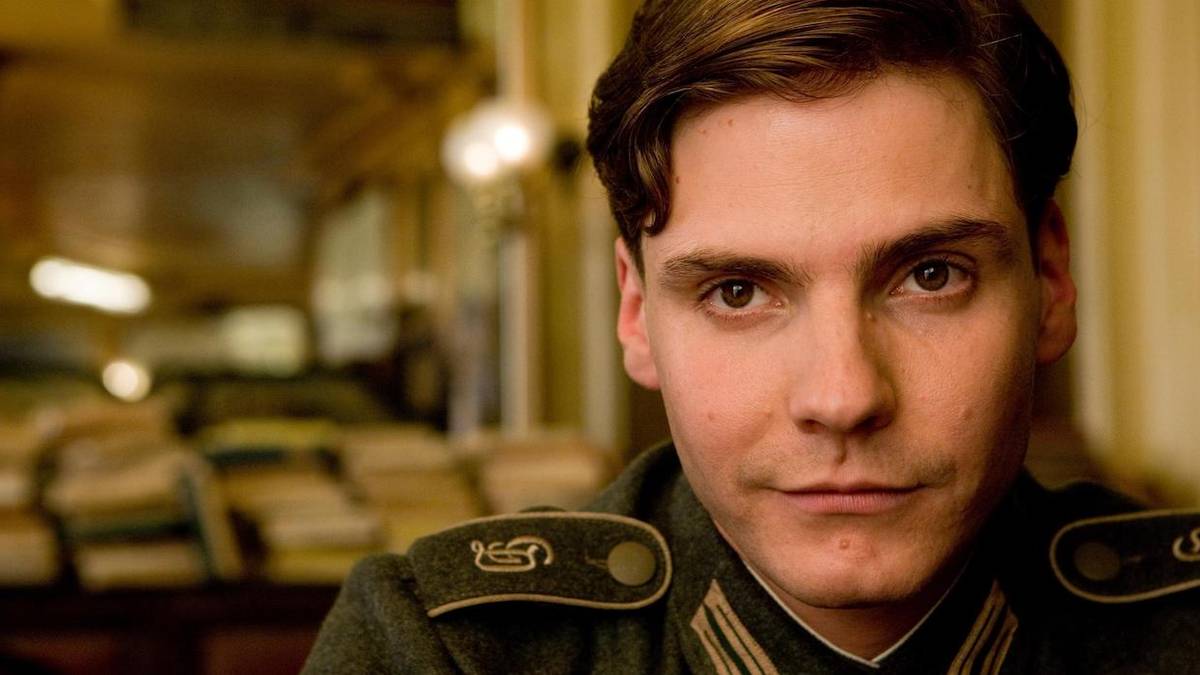
The film's first 20 minutes unfold like a complete story in miniature. We're introduced to Perrier LaPadite, a French dairy farmer living under Nazi occupation, and the infamous Colonel Hans Landa, the 'Jew Hunter,' who pays an unexpected visit. What follows is a tense, multilingual cat-and-mouse game that peels back layers of deception and dread with every passing second. Tarantino's camera lingers on the farmhouse's cozy yet claustrophobic interiors, the three daughters who can't hide their fear, and the seemingly polite interrogation that slowly reveals its true, sinister purpose.
The genius of the scene lies in its restraint. Tarantino, known for his bombastic set pieces, here relies on stillness and silence. The stationary camera, the measured dialogue, the way Landa's courtesy feels like a threat—all of it builds to a devastating reveal. When the floorboards are lifted to expose Shosanna Dreyfus and her family hiding beneath, the audience is hit with a wave of pure, gut-wrenching dread. It's a moment that's almost unbearable to watch, even on repeat viewings.
The Power of Christoph Waltz
While Tarantino's direction is impeccable, the scene's impact rests squarely on the shoulders of Christoph Waltz, whose performance as Landa is nothing short of legendary. Tarantino himself has admitted that he nearly abandoned the film before Waltz auditioned, because he couldn't find an actor who could embody the character's unique blend of charm and menace. Waltz makes Landa a predator who hides behind a mask of civility, using politeness as a weapon to disarm his victims before he strikes. His ability to shift from genial to terrifying in a heartbeat is what makes the scene so unforgettable.
It's a performance that earned Waltz an Oscar and set the stage for the rest of the film. Landa's decision to spare Shosanna isn't born of mercy—it's a whim, a cruel game that sets the entire plot in motion. That moment, with Shosanna fleeing through the grass, covered in her family's blood, is seared into the memory of anyone who's seen it.
Why It Still Matters
Since Inglourious Basterds premiered in 2009, countless World War II films have tried to capture similar intensity, but none have matched the sheer, suffocating power of that opening. Films like Dunkirk and 1917 have their own strengths, but they lack the intimate, character-driven horror that Tarantino achieves in that farmhouse. It's a testament to his skill that a scene with almost no action can feel more visceral than any battlefield sequence.
For fans of Tarantino's work, this opening is a perfect distillation of his talents—his love of language, his ability to subvert expectations, and his unflinching eye for the darkest corners of human nature. It's also a reminder that sometimes the most powerful stories are told in the quiet moments before the storm. If you haven't revisited Inglourious Basterds in a while, it's worth another watch, if only to experience that opening again. And for those who've never seen it, prepare for a masterclass in suspense that few filmmakers can rival.
While other war films may offer grander spectacle or more historically accurate portrayals, none have opened with such a brutal, functional tableau that sets the stage so perfectly. It's a scene that defines not just the film, but an entire genre's approach to tension. And it's why, 17 years later, Inglourious Basterds remains a benchmark for World War II cinema.