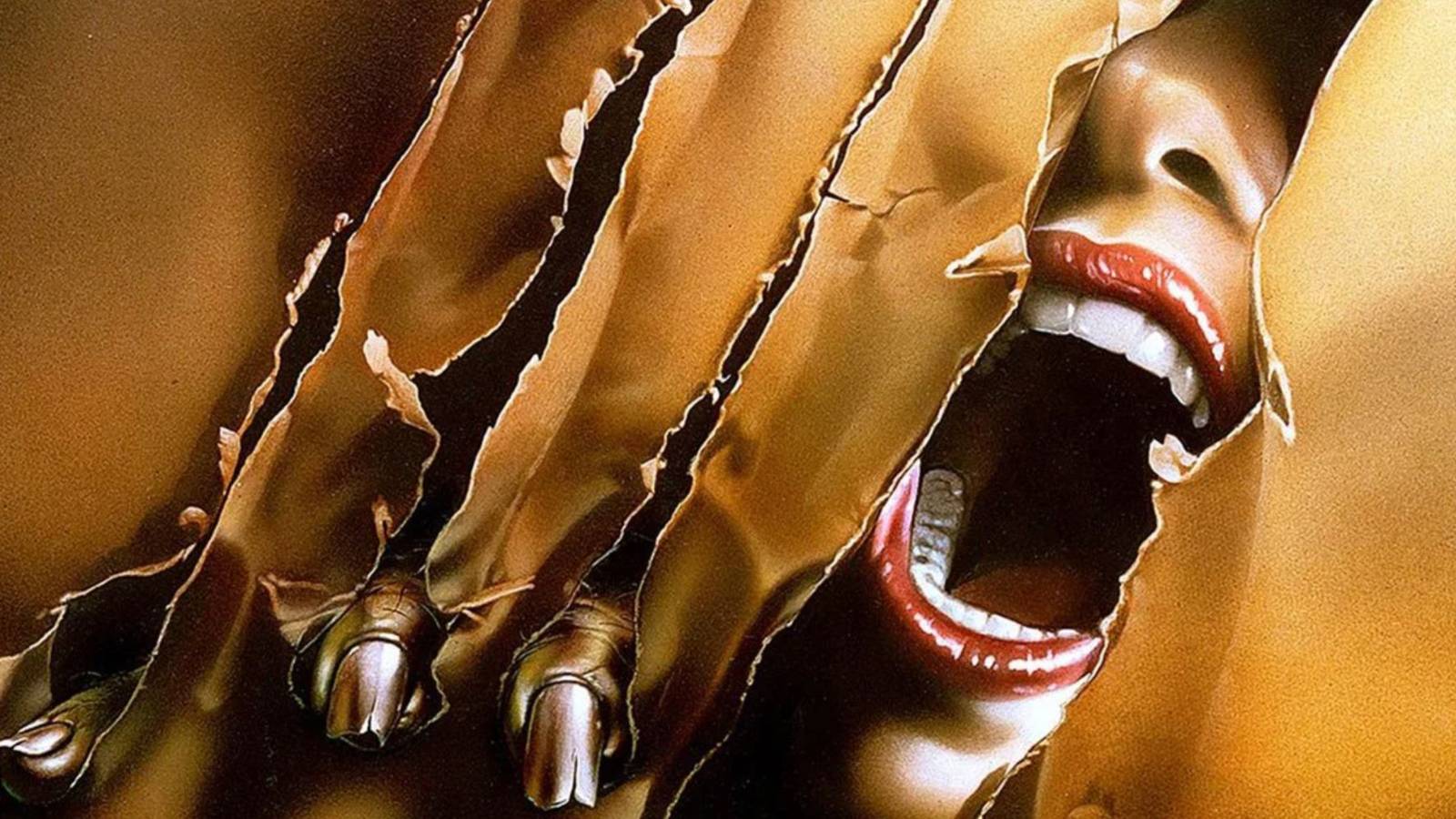
Female werewolves have long been a rare breed in standalone horror fiction. While they frequently appear in paranormal romance alongside vampires and faeries, the she-wolf rarely gets to lead her own monstrous story. Rachel Harrison's Such Sharp Teeth initially seems like a promising exception—a novel about a woman embracing her wild side under the full moon. But for horror fans expecting a creature feature, the book delivers something far tamer: a conventional romance arc that feels more Hallmark than horror.
The werewolf has traditionally been a masculine monster—the very word comes from Old English 'wer,' meaning man. Male lycanthropes dominate folklore and cinema, but the female werewolf is clawing her way into contemporary fiction as more women seek stories that channel the rage of navigating female experience. The she-wolf has become a symbol of liberation, appearing in feminist horror and pop anthems like Shakira's 'She Wolf.' Defined by painful transformation, she's a perfect vehicle for exploring trauma, alienation, and bodily autonomy. Yet many written attempts end up caging her in campy portrayals.
The She-Wolf's Rich Horror History
Mythologically, one of the earliest female werewolf stories comes from Ireland: the daughters of Airitech, three sisters who could shapeshift into wolves. On Samhain, they emerged from a cave called Oweynagat to ravage livestock. Later, she-wolf lore intertwined with witch trials. Heinrich Kramer's Malleus Maleficarum linked lycanthropy to witchcraft, claiming witches could summon wolves or turn into them. Before the early modern period, werewolves were seen as cursed rather than evil, but Europe's werewolf trials show how the myth dovetailed with persecution of women who defied norms. Hannah Priest's scholarly text She-Wolf: A Cultural History of Female Werewolves explores this lineage, showing the she-wolf as a 'manifestation of deep-rooted cultural anxieties.'
This historical weight calls for horror stories of substance—not just creature features. Cult classic Ginger Snaps famously aligns lycanthropy with menstruation, using the werewolf for a deeper coming-of-age story. For more on how horror can elevate the genre, check out our list of the best horror movies based on books.
'Such Sharp Teeth' Can't Decide What It Wants to Be
On paper, Such Sharp Teeth seems poised to continue the she-wolf's legacy. The cover explicitly calls it 'a werewolf novel.' Rachel Harrison's approach is promising: protagonist Rory, seeking transformation, returns to her hometown, moves in with her pregnant sister, and encounters a rogue wolf that upends her life. But beneath that horror blurb lies a predictable rom-com: Rory gets wooed by hunky childhood pal Ian and decides to settle down, ditching her big-city career.
In a book supposedly about women, rage, and control, the neat-and-tidy ending feels jarring. Rory, a successful career woman with a wild streak, becomes a werewolf—and that leads her to suburban domesticity? Horror readers have every right to be angry. The female werewolf is perhaps the strongest vehicle in horror for challenging gender norms, and Such Sharp Teeth doesn't even gesture toward that path. We do learn who the other female werewolf is, but that twist is quickly swept aside for a happily-ever-after with Ian.
The body horror comedy doesn't land either, because Harrison refuses to commit to supernatural tropes the way Organ Meats by K-Ming Chang does with magical realism. When the werewolf element is reduced to quirkiness, it hampers the dark comedy's bite. The novel relies on flat dialogue and doesn't take its horror seriously. Writing werewolf transformations from first-person is tough, but the book fails to make them feel fresh or visceral.
Publishers Keep Diluting the Horror Label
The biggest issue isn't the writing or characters—it's that Such Sharp Teeth isn't the story the publisher marketed. Penguin Random House tagged it as 'Gothic & Horror,' not romance, despite romance driving most of the plot. Marketing a romance as horror does both genres a disservice and signals a broader problem in publishing where the horror label is stretched too thin. For more on how horror can be done right, see our ranking of the most fun horror movies.
Female werewolves deserve stories that honor their feral potential—not ones that cage them in domestic bliss. Such Sharp Teeth had the chance to be a howling success, but instead, it's a missed opportunity that leaves horror fans hungry for something with real bite.