The summer of 2026 has been brutal for big-budget IP movies. From the underwhelming reception of The Mandalorian and Grogu to the outright box-office disaster of Supergirl and Masters of the Universe, what used to be blockbuster season now feels like a graveyard. Meanwhile, fresh original concepts like Backrooms and Obsession, along with nostalgic non-IP sequels like The Devil Wears Prada 2, are winning over critics and audiences alike. It's a clear signal: moviegoers are tired of being sold the same old franchise fare.
But that doesn't mean these beloved worlds are doomed. Far from it. The solution lies in a medium that's already proven its worth: video games. Franchises like Star Wars, Harry Potter, and DC Comics have a rich history of incredible games, but they've always been treated as side dishes to the main cinematic course. With movie fatigue at an all-time high, it's time to flip the script and let games take center stage.

Why Video Games Are the Perfect Fit
Video games offer something movies can't: unlimited runtime and immersive interactivity. While a two-hour film can feel like a marathon, a 100-hour game like Hogwarts Legacy keeps players hooked with deep quests, compelling narratives, and stunning visuals. That game alone revitalized the Wizarding World, letting fans live out their Hogwarts dreams in ways the films never could. Imagine a game that explores the Sith's dark side philosophy or lets you work as an Auror in the Wizarding Community—or even ventures beyond the UK.
Superheroes, too, could thrive. While many recent superhero movies have felt formulaic and taken themselves way too seriously, games like the Batman: Arkham series have delivered nuanced, character-driven stories that surpass most cinematic outings. A game based on Supergirl: Woman of Tomorrow could explore its rich comic-book themes without being crammed into a rushed 108-minute runtime.
Success Stories That Prove the Point
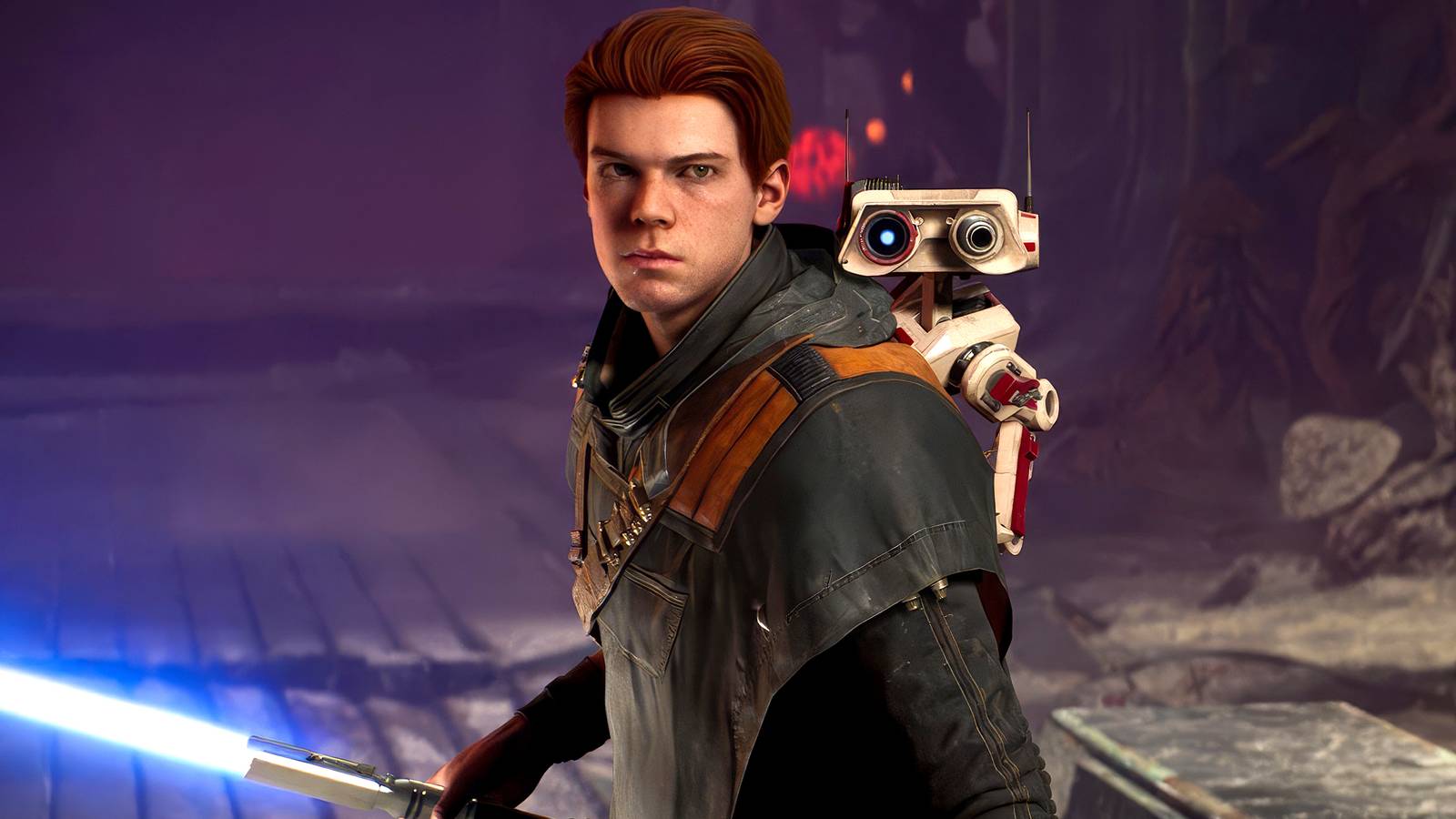
This isn't a radical idea—it's already happening. Star Wars: Knights of the Old Republic remains one of the franchise's best stories, outshining most Disney-era films and shows (except Andor). The Jedi games introduced Cal Kestis, a fan-favorite character more compelling than many live-action heroes. Batman's Arkham trilogy is the definitive modern take on the Dark Knight, offering a depth that cinema hasn't matched in years. And Hogwarts Legacy single-handedly revived the Harry Potter brand after the Fantastic Beasts series stumbled.
These games succeed because they're willing to take risks. They dive into lore, explore moral gray areas, and give fans agency in ways movies rarely attempt. As the entertainment landscape shifts, it's clear that the future of these mega-franchises isn't on the big screen—it's in the controller in your hands.