When Star Trek: The Next Generation first aired, it stumbled out of the gate. Its first two seasons were rocky, but by Season 3, the show found its rhythm and delivered iconic moments like the two-part epic "The Best of Both Worlds." Another Star Trek series had a similar shaky start, but it never recovered. That series is Star Trek: Enterprise, a show that aimed to chart a new course but instead crashed into a black hole of missed potential.
Set before the formation of the United Federation of Planets, Enterprise had a promising premise: explore the early days of Starfleet and humanity's first steps into deep space. On paper, it sounded like a fresh take. But in practice, the show alienated longtime fans and failed to attract newcomers. The result? Dismal ratings, a shelved franchise, and a cautionary tale for future Trek creators.
What Went Wrong: Trying Too Hard to Be Different
From the start, Enterprise seemed embarrassed to be a Star Trek show. It dropped the "Star Trek" from its title for its first two seasons, leaving casual viewers puzzled. The theme song, "Faith of the Heart," felt more suited to a romantic drama than a sci-fi adventure. And the show leaned heavily into grit and sex appeal, particularly with the Vulcan T'Pol (Jolene Blalock), whose character was often reduced to eye candy—a stark contrast to the logical, emotionless Vulcans fans knew.
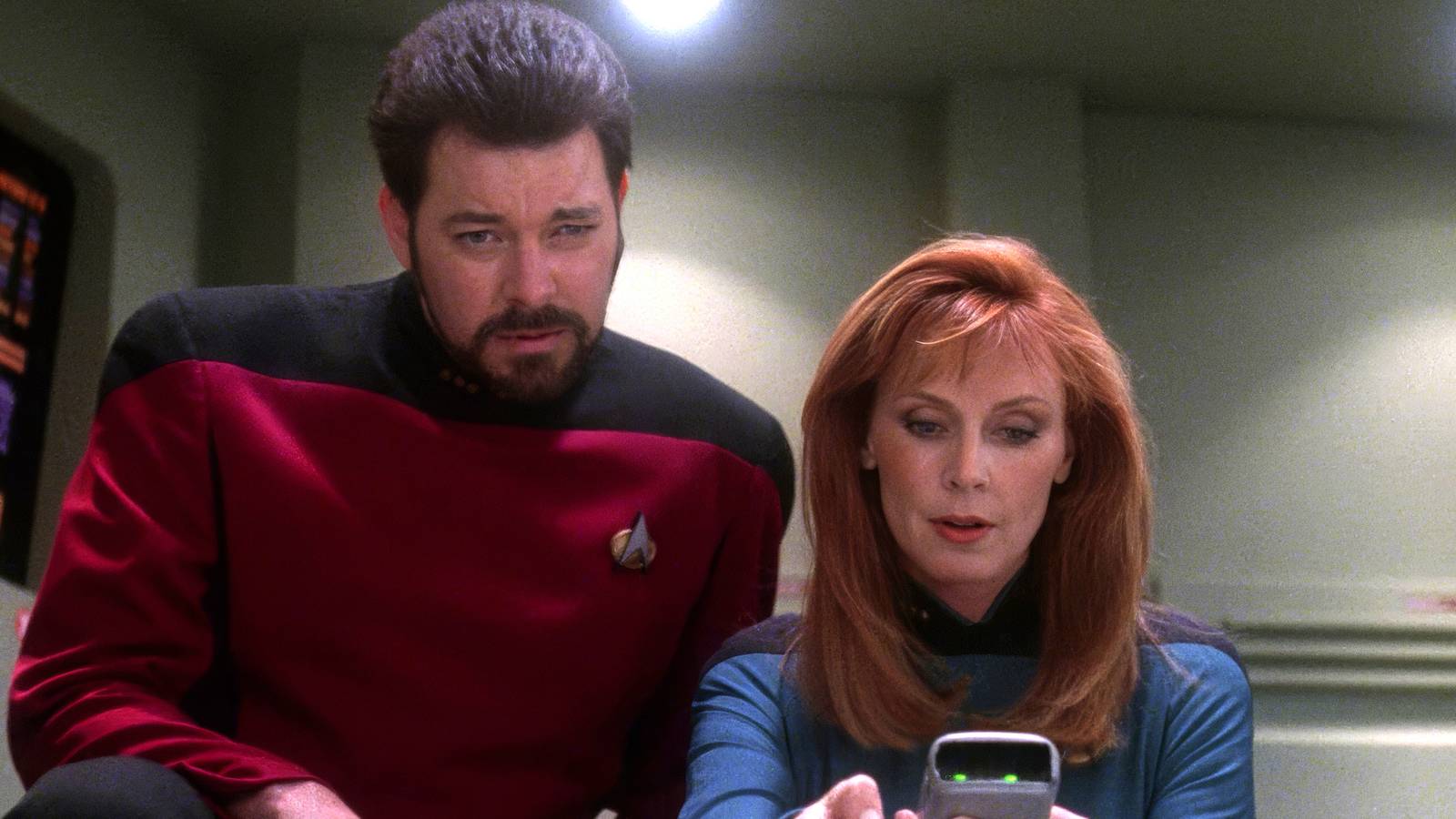
Timing didn't help. By the time Enterprise launched, audiences had been watching Star Trek shows for 14 consecutive years. Franchise fatigue was real, and the disastrous Star Trek: Nemesis had just soured the Next Generation era. Despite a new showrunner and season-long arcs in later seasons, Enterprise hemorrhaged viewers. Its finale, "These Are the Voyages...", was a slap in the face: it focused on William Riker (Jonathan Frakes) reliving a holographic version of the Enterprise's final mission, as if the writers had given up on their own story.
Not All Bad: The Show's Hidden Gems
Despite its flaws, Enterprise contributed some memorable elements to the franchise. Captain Jonathan Archer (Scott Bakula) brought a relatable, everyman quality to the role, often tackling challenges without advanced tech. His bond with his beagle, Porthos, added much-needed warmth. T'Pol eventually evolved into a complex character, sacrificing her Vulcan status to help the crew. The show also introduced the Temporal Cold War, a concept later revisited in Star Trek: Discovery, where Dr. Kovich (David Cronenberg) was revealed to be Agent Daniels from Enterprise. Even Star Trek Beyond paid homage, with the villain referencing the Xindi and the final ship resembling the NX-class.
In the end, Star Trek: Enterprise is proof that great ideas can be ruined by poor execution. It tried to be everything but a Star Trek show, and in doing so, it lost its way. As the franchise prepares for another hiatus after Strange New Worlds and Starfleet Academy conclude next year, let's hope the lessons from Enterprise stick. For more on TV missteps, check out our list of the worst TV shows ever.