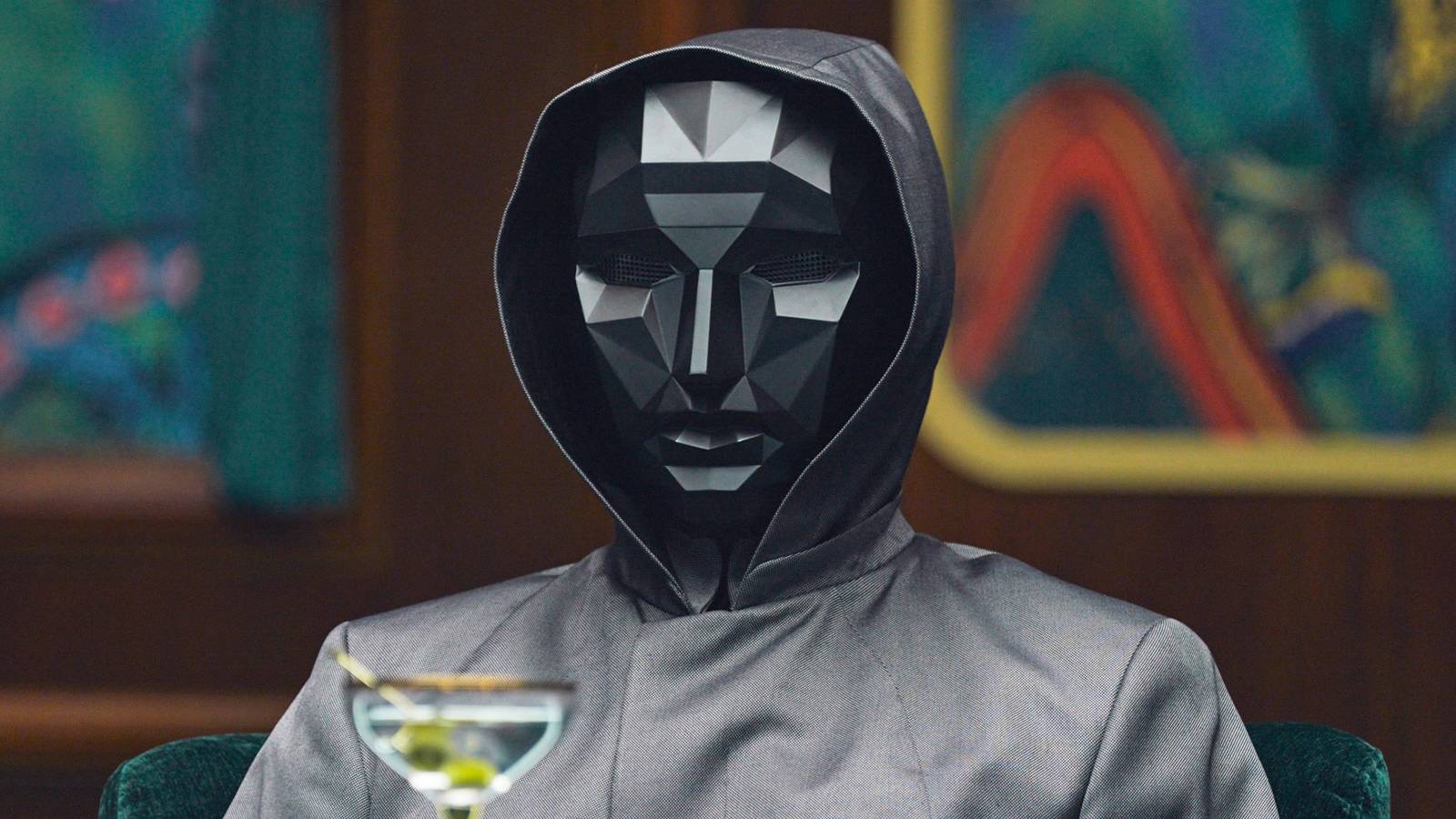
Five years after its debut, Squid Game remains the undisputed king of Netflix, with a viewership record that still seems untouchable. According to the streamer's latest all-time data, Season 1 amassed over 2.2 billion hours watched in its first 91 days—a figure that dwarfs even the platform's biggest English-language hits. Despite Netflix's relentless push for global blockbusters, none have managed to dethrone this South Korean sensation.
A Global Phenomenon Like No Other
When Squid Game premiered in late 2021, it didn't just become a hit—it became a cultural event. The show's simple yet gripping premise—desperate individuals competing in deadly children's games for a life-changing prize—resonated across borders, transcending language and nationality. Netflix's updated numbers show Season 1 at 2.205 billion hours viewed in its first 91 days, with Season 2 adding 1.38 billion and Season 3 pulling in 894.3 million. This sustained dominance is unprecedented in the streaming era.

The show's appeal lies in its universal themes: inequality, debt, and the lengths people will go to survive. It tapped into global anxieties about economic disparity, making it feel urgent and relevant. As Taylor Sheridan's Western thrillers have shown, a strong thematic core can drive massive engagement, but Squid Game took that to another level.
Even 'Stranger Things' Couldn't Catch Up
If any show seemed poised to challenge Squid Game's record, it was Stranger Things. Yet even its most-watched season, Season 4, managed only 1.838 billion hours in its first 91 days. The long-awaited final season finished at 1.39 billion—impressive, but still a significant gap. This highlights that beating Squid Game requires more than just a popular franchise; it demands a show that becomes a shared global moment.
Part of Squid Game's magic was its "watch now or be left behind" urgency. In an era of fragmented streaming, where attention is scattered, it managed to dominate conversations like the watercooler hits of old. The show's visual iconography—pink jumpsuits, geometric sets, and the haunting "Red Light, Green Light" doll—became instantly recognizable, fueling memes, TikTok trends, and even LinkedIn discussions.
Why Traditional Action Isn't Enough
Recent streaming successes often rely on star power or comic book IP, but Squid Game proved that high-concept survival thrillers with a shareable core idea can outperform them all. Its "Red Light, Green Light" clip became Netflix's most-viewed TikTok ever, with over 128 million organic views. This organic social media explosion drove discovery and binge-watching long after release, something traditional action sequences rarely achieve.
The show's success also spawned immersive experiences, merchandise collaborations, and global fan events, cementing its place in pop culture. As Alan Ritchson's 'Reacher' demonstrates, strong viewership can come from a different formula, but Squid Game's blend of accessibility and depth is rare.
What Future Contenders Must Learn
Future shows hoping to surpass Squid Game need more than shock value. The secret lies in combining a universally understandable premise with bold, memorable visuals and themes that resonate globally. Netflix executives noted that the show's voice-of-audience signals—like actors' social followings exploding and content trending on professional platforms—were unprecedented.
As Bong Joon Ho's 'Mother' shows, even acclaimed directors can craft compelling thrillers, but Squid Game's cultural footprint is unmatched. Five years later, no season on Netflix's all-time lists has come close to its 2.205 billion hours. Whatever eventually dethrones it won't just be a hit; it will need to redefine what a global streaming event looks like.