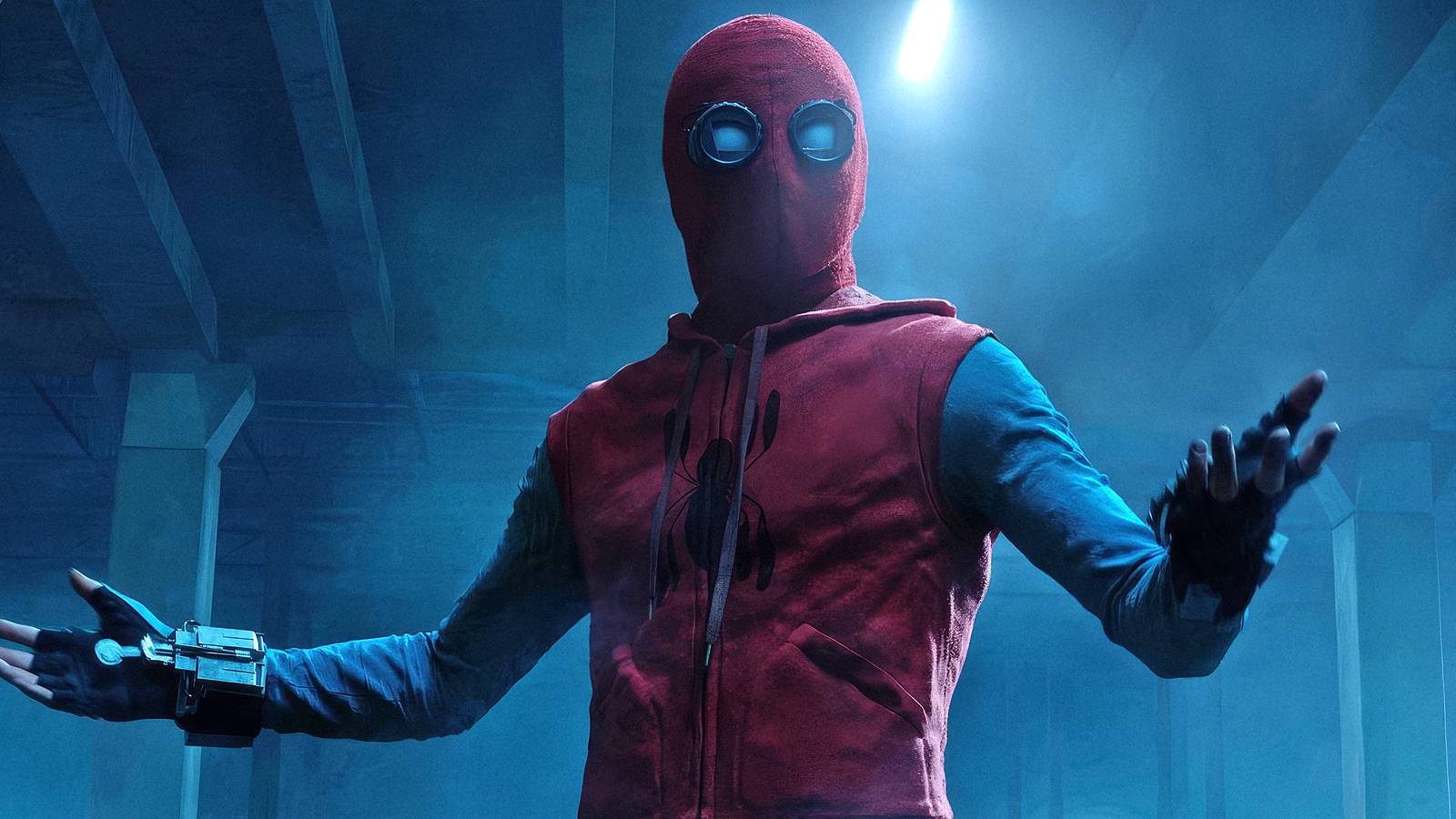
When Tom Holland swung into the Marvel Cinematic Universe in Captain America: Civil War, fans were excited. But when his solo debut, Spider-Man: Homecoming, hit theaters in 2017, it faced its fair share of criticism. Some argued it leaned too heavily on Iron Man as a mentor, or that it didn't feel like a classic Spider-Man story. Yet, looking back, this film is a triumph—a fresh, heartfelt take on the web-slinger that deserves far more credit than it gets.
A Peter Parker for a New Generation
Tom Holland's portrayal of Peter Parker is a breath of fresh air. He's young, awkward, and endlessly enthusiastic—exactly what a teenage superhero should be. The film, directed by Jon Watts, draws heavy inspiration from John Hughes classics, placing Peter squarely in the throes of high school life. This isn't the brooding, world-weary Spider-Man of previous iterations; he's a kid who still believes in the goodness of people and the thrill of heroism. Holland's performance captures both the humor and the heart of the character, making him instantly likable and relatable.

A Supporting Cast That Shines
Spider-Man's world has always been defined by his supporting characters, and Homecoming nails it. Instead of rehashing familiar faces like Harry Osborn or Mary Jane, the film introduces us to Ned Leeds (Jacob Batalon), Peter's loyal best friend, and Liz Allan (Laura Harrier), his love interest. These characters feel authentic, bringing genuine comedic relief and emotional depth to the story. The high school scenes are vibrant and lived-in, avoiding typical movie tropes and instead presenting a diverse, believable group of teens. It's a refreshing change that makes Peter's world feel real.
The Vulture: A Villain We Understand
Michael Keaton's Vulture is arguably one of the best villains in the entire Spider-Man franchise. What makes him so compelling is that his motivations are rooted in real-world frustration. Adrian Toomes is a working-class guy who gets screwed over by the government and Tony Stark's Damage Control, losing his livelihood. His anger is justified, even if his methods aren't. This makes him a villain audiences can empathize with, especially in an era of growing economic disparity. The film cleverly critiques billionaire influence, and Keaton's performance is both menacing and sympathetic. The twist that he's Liz's father only raises the stakes, making the conflict deeply personal for Peter.
A True Spider-Man Story at Heart
Despite the criticism that Homecoming isn't a "real" Spider-Man movie, it actually embodies the spirit of the character perfectly. The core theme of "with great power comes great responsibility" is woven throughout the narrative, even if it's never explicitly stated. Peter learns that being a hero isn't about fancy tech or grand gestures—it's about staying true to yourself and helping others. The film emphasizes the importance of inner strength over external tools, a lesson that resonates deeply. Plus, it keeps Spider-Man grounded in street-level heroics, something fans have been craving ever since. This is the friendly neighborhood Spider-Man we know and love.
Why It Stands the Test of Time
Years later, Spider-Man: Homecoming remains a standout in the MCU. It's a coming-of-age story wrapped in a superhero package, with a perfect balance of humor, heart, and action. The film's success paved the way for Holland's continued journey, including the recent box office smash Spider-Man: Brand New Day, which proves audiences still love this version of the character. If you're one of those who dismissed Homecoming as "Iron Boy Jr." material, it's time to give it another chance. You might just find it's the best Spider-Man movie yet.