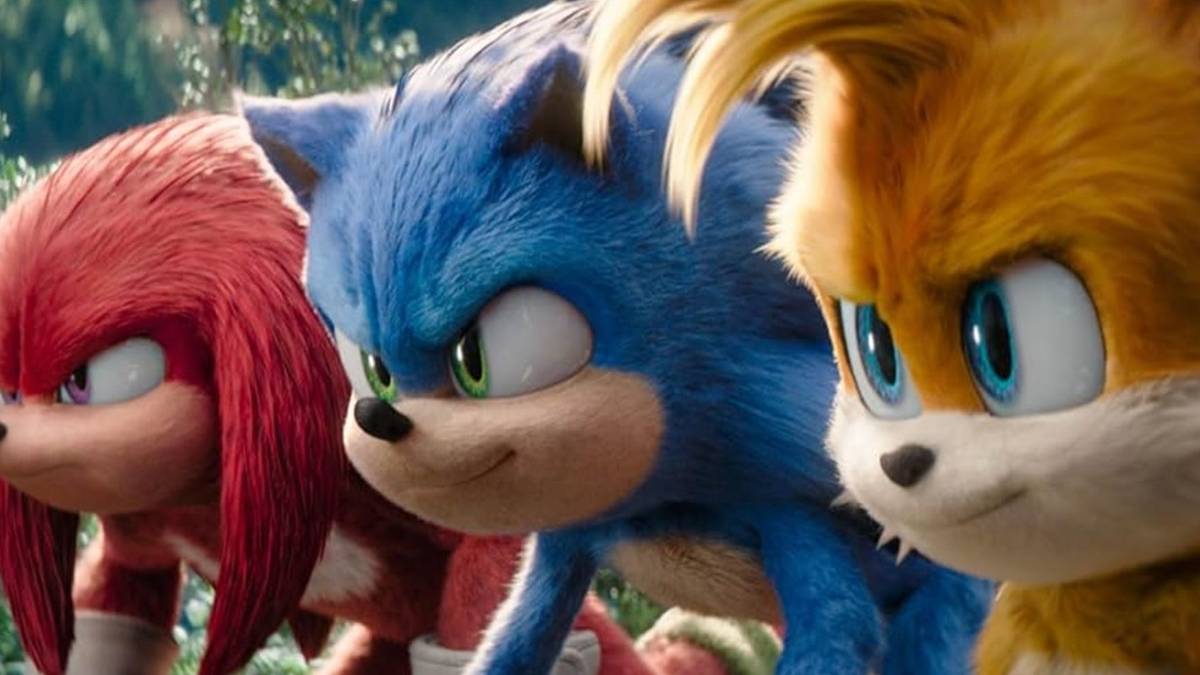
Zach Cregger's Resident Evil has taken the global box office by storm, earning critical acclaim and climbing toward $300 million worldwide. It's the best-reviewed and highest-grossing entry in the franchise's history. Some fans have even started calling it the greatest video game movie ever made. But while Cregger's film deserves credit for its tense survival-horror atmosphere, it still falls short of the true champion: Sonic the Hedgehog 3. That movie, from Sega and Paramount, remains the undisputed king of video game adaptations.
Cregger's Resident Evil takes a bold creative leap, introducing original characters and creatures that barely resemble the iconic monsters from the games. The T-Virus and G-Virus are never mentioned, and the story feels more like a standalone horror flick than a faithful adaptation. In contrast, Sonic the Hedgehog 3 dives headfirst into the beloved lore of the games, bringing to life fan-favorite characters like Shadow the Hedgehog, voiced by Keanu Reeves, and the ever-menacing Dr. Gerald Robotnik, played by Jim Carrey. The film's portrayal of Shadow as a tragic antihero perfectly mirrors Sonic's journey, testing his ideals and what it truly means to be a hero.

One of the biggest differences between the two films is how they handle their source material. Cregger claimed his Resident Evil is set alongside the events of Resident Evil 2, but the movie's modern-day setting and wintery atmosphere contradict the game's September 1998 timeline. It's a disconnect that undermines the authenticity. Sonic the Hedgehog 3, on the other hand, doesn't pretend to be in the same continuity as the games. Instead, it crafts its own narrative while drawing heavily from Sonic Adventure 2 and Shadow the Hedgehog. The result is a story that honors the source material while standing on its own.
Director Jeff Fowler and writers Pat Casey, Josh Miller, and John Whittington masterfully weave elements from the games into the fabric of the movie. Shadow's tragic backstory with Maria, played by Alyla Browne, is handled with emotional weight, giving the film a bittersweet depth that resonates with longtime fans. The action sequences are thrilling, but it's the character moments that elevate Sonic 3 beyond a simple cash grab.
The love for the games is evident in every frame. From the Chao Garden restaurant cameo to the perfectly timed needle drop of "Live and Learn" during the climax, the filmmakers show they're not just checking boxes—they're genuine fans. These references feel organic, not forced, and they enhance the experience rather than distract from it. In contrast, Resident Evil relies on superficial nods like the Raccoon City setting and the Umbrella Corporation logo, but it lacks the deep understanding of what makes the games special.
While Resident Evil works as a standalone survival-horror movie, it borrows more from Paul W.S. Anderson's 2002 film than from the games themselves. Cregger's vision is compelling, but it doesn't capture the essence of the franchise. Sonic the Hedgehog 3, however, achieves a rare balance: it satisfies both casual viewers and die-hard fans. It's a movie that respects its source material while delivering a cinematic experience that stands on its own.
As the debate over the best video game movie continues, Sonic the Hedgehog 3 remains the benchmark. It's a film that understands that faithfulness isn't about copying every detail—it's about capturing the spirit. And in that regard, it's unmatched. For those looking for more great video game adaptations, check out our list of forgotten sci-fi gems or explore Prime Video's perfect weekend trio. And if you're in the mood for horror, don't miss these flawless frights.