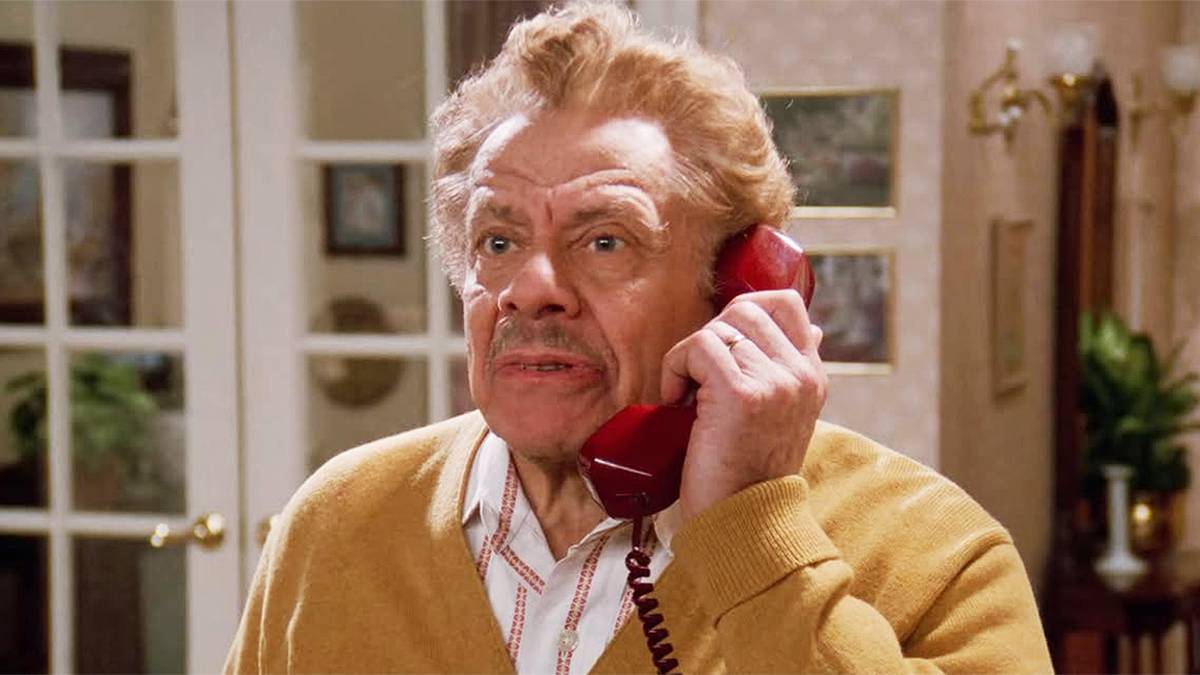
Ask anyone to name their favorite TV show, and you'll hear a wide range of answers. Some swear by The Sopranos, others by Breaking Bad or Game of Thrones. But to be crowned the greatest American TV show ever made, a series must do more than just entertain—it must shatter conventions, influence pop culture, and remain relevant decades later. That's exactly what Seinfeld accomplished. A defining force of the 1990s, it still feels as fresh and vital today as it did when it first aired.
How Seinfeld Revolutionized the Sitcom
When Seinfeld premiered on NBC in 1989, sitcoms followed a predictable formula: warm-hearted characters, tidy resolutions, and lessons learned. Co-creators Jerry Seinfeld and Larry David famously rejected that approach. They wanted a show about nothing—no hugs, no moralizing, just sharp, selfish humor. The premise seemed familiar: a stand-up comedian (Jerry) living in New York, his eccentric neighbor Kramer, his neurotic best friend George, and his ex-girlfriend Elaine. But unlike typical sitcoms, there was no will-they-won't-they romance between Jerry and Elaine. Instead, the comedy came from watching these flawed characters scheme, fail, and get their comeuppance.

This edgy, unpredictable style broke the mold and inspired a wave of later comedies. Shows like Curb Your Enthusiasm, Arrested Development, It's Always Sunny in Philadelphia, 30 Rock, and Veep all owe a debt to Seinfeld's willingness to embrace unlikable characters. None, however, did it first or better. For more sitcoms that push boundaries, check out our list of 10 must-see shows you'll regret not binge-watching.
A Cultural Phenomenon That Defined an Era
Seinfeld wasn't just a TV show—it was the water cooler conversation of the 1990s. Its audience grew season after season, making it the most-watched show in America. Catchphrases like "Yada, yada, yada," "No soup for you!" and "Serenity now!" entered everyday language. The series captured the spirit of a booming, self-assured decade, where selfish desires and social connections coexisted without smartphones or post-9/11 anxieties.
The show's brilliance extended beyond its leads. Supporting characters like George's parents (played by Jerry Stiller and Estelle Harris) and Elaine's boyfriend David Puddy (Patrick Warburton) became iconic, often stranger than the main cast. This depth made the show endlessly rewatchable. Even today, Seinfeld dominates syndication and Netflix charts, proving audiences still crave its unique brand of humor.
Award-Winning Legacy, But Not Without Snubs
Despite its cultural dominance, Seinfeld was sometimes overlooked by awards voters, who favored more traditional sitcoms like Frasier. Over nine seasons, it earned 68 Emmy nominations and won 10, including Outstanding Comedy Series in 1993. Michael Richards won three Emmys for his physical comedy, and Julia Louis-Dreyfus took home one. Yet Jerry Seinfeld and Jason Alexander never won acting trophies—a glaring oversight given their iconic performances.
Still, the show's influence is undeniable. It paved the way for darker, smarter comedies and remains a benchmark for excellence. For more on how great TV shows are made, see our analysis of Apple TV's winning strategy with Silo.
Why Seinfeld Still Matters
Nearly 30 years after its finale, Seinfeld is more than a nostalgic relic. It's a masterclass in comedic writing and timing, a time capsule of 1990s America, and a show that continues to find new fans. In an era dominated by dark dramas and fragmented audiences, Seinfeld reminds us of the power of pure, unapologetic laughter. That's why it remains the greatest American TV show ever made.