Roland Emmerich, the undisputed king of disaster movies, has delivered some of the most iconic spectacles in cinema history. From the alien invasion of Independence Day to the global freeze of The Day After Tomorrow, his films have thrilled audiences with massive destruction and human drama. But even the master of mayhem couldn't save his 2022 sci-fi epic, Moonfall, from becoming a box office bomb. The film grossed less than $70 million worldwide, according to Box Office Mojo, a stunning failure for a director who once ruled the summer blockbuster season.
What Went Wrong with 'Moonfall'?
On the surface, Moonfall had all the ingredients for a hit: a star-studded cast including Patrick Wilson, Halle Berry, and John Bradley, a premise straight out of Emmerich's playbook (the moon is falling out of orbit), and a budget that promised jaw-dropping visual effects. But the film's biggest problem was its need to over-explain its own premise. Instead of letting the simple, terrifying idea of a descending moon drive the story, Emmerich and his co-writers buried the plot in a convoluted sci-fi explanation involving a hollow Dyson sphere, an ancient alien AI, and a rogue star. Audiences didn't need to know that the moon was actually a spaceship built by humanity's ancestors—they just wanted to see it crash into Earth.

This lack of simplicity hurt Moonfall in ways that Emmerich's earlier films avoided. Independence Day didn't waste time explaining why aliens were attacking; it just showed them blowing up the White House. The Day After Tomorrow used climate change as a backdrop for human survival stories. But Moonfall got bogged down in exposition, leaving little room for the emotional beats that made his other disaster movies memorable. The human moments that grounded films like 2012 were replaced with clunky dialogue and a conspiracy theorist character (played by John Bradley) who felt like a dated stereotype.
The Human Element Was Missing
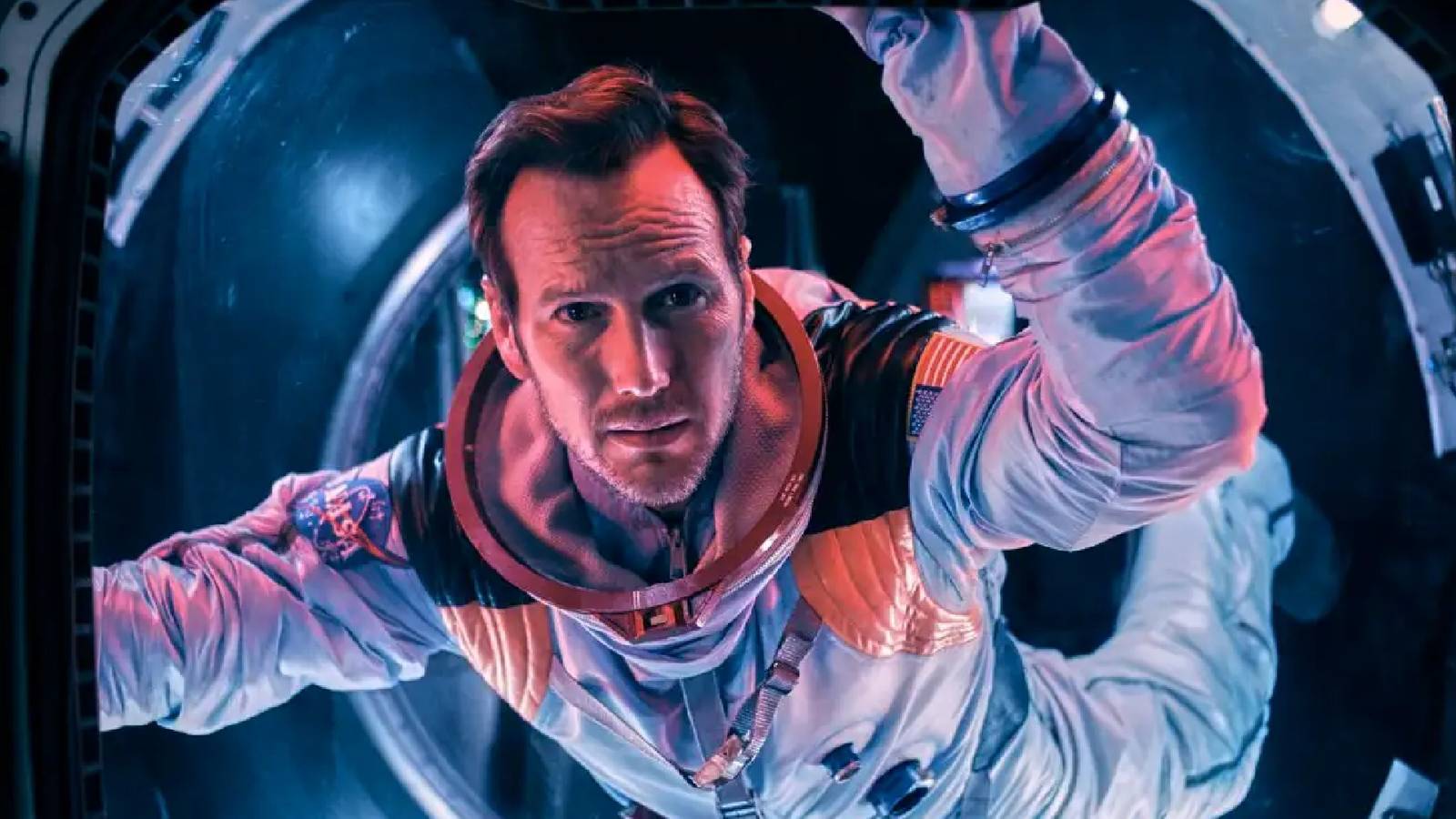
At its core, a disaster movie needs characters we care about. Moonfall tried to deliver with Patrick Wilson's Brian Harper, a disgraced astronaut who witnessed an alien attack years earlier. But his arc—a man struggling to rebuild his career and family—felt rote and uninspired. Halle Berry's NASA executive was similarly underutilized, and the film's attempts at emotional depth fell flat. Compare this to Will Smith's Captain Steve Hiller in Independence Day, who delivered both humor and heart. Moonfall lacked that spark, making the destruction feel hollow.
The film was also hampered by production issues. Shot during the early days of the COVID-19 pandemic, Moonfall lost two weeks of shooting and faced budget cuts due to safety protocols. Emmerich himself admitted that the pandemic cost the film both time and money, which likely contributed to its uneven quality. The result was a movie that felt rushed and disjointed, with effects sequences that lacked the awe-inspiring scale of his earlier work.
A Genre in Need of a Comeback
Despite Moonfall's failure, the disaster movie genre isn't dead. Recent hits like The Mandalorian & Grogu have shown that audiences still crave big-screen spectacle. But Moonfall serves as a cautionary tale: even the king of disaster movies can't rely on nostalgia alone. Emmerich hasn't directed a film since this box office bomb, but if he wants to reclaim his throne, he'll need to remember what made his classics work—simple premises, relatable characters, and a sense of fun. Until then, Moonfall will remain a reminder that even the moon can fall flat.