Five years after its release, Ridley Scott's House of Gucci remains one of the most underrated crime epics of the decade. While it didn't set the box office on fire, this lavish, operatic tale of ambition, betrayal, and murder within the iconic fashion dynasty is ripe for rediscovery. With Lady Gaga delivering a career-best performance and Adam Driver as her brooding counterpart, the film is a stylish, sprawling saga that deserves a second look.
Scott, a director known for world-building and mythic characters, rarely ventures into 20th-century crime territory. But House of Gucci sees him applying his signature gaze to a world of schemers, designers, and heirs. Like Martin Scorsese's Casino, it lays out the blueprint of a glamorous empire before showing how greed and betrayal tear it apart from within. The film's over-the-top '70s and '80s costumes, production design, and killer soundtrack (featuring Blondie and Pet Shop Boys) create a sensory feast that immerses viewers in the era.
The project had a long road to the screen. Scott first began developing it in 2006, but the real Gucci family fought the portrayal, fearing it would be offensive. After years of stagnation, Scott moved on to other projects, including the kidnapping thriller All the Money in the World. Eventually, he earned the family's trust and made an authorized film with full access to their archives. The result is a story that doesn't pull punches, even with the family's blessing.
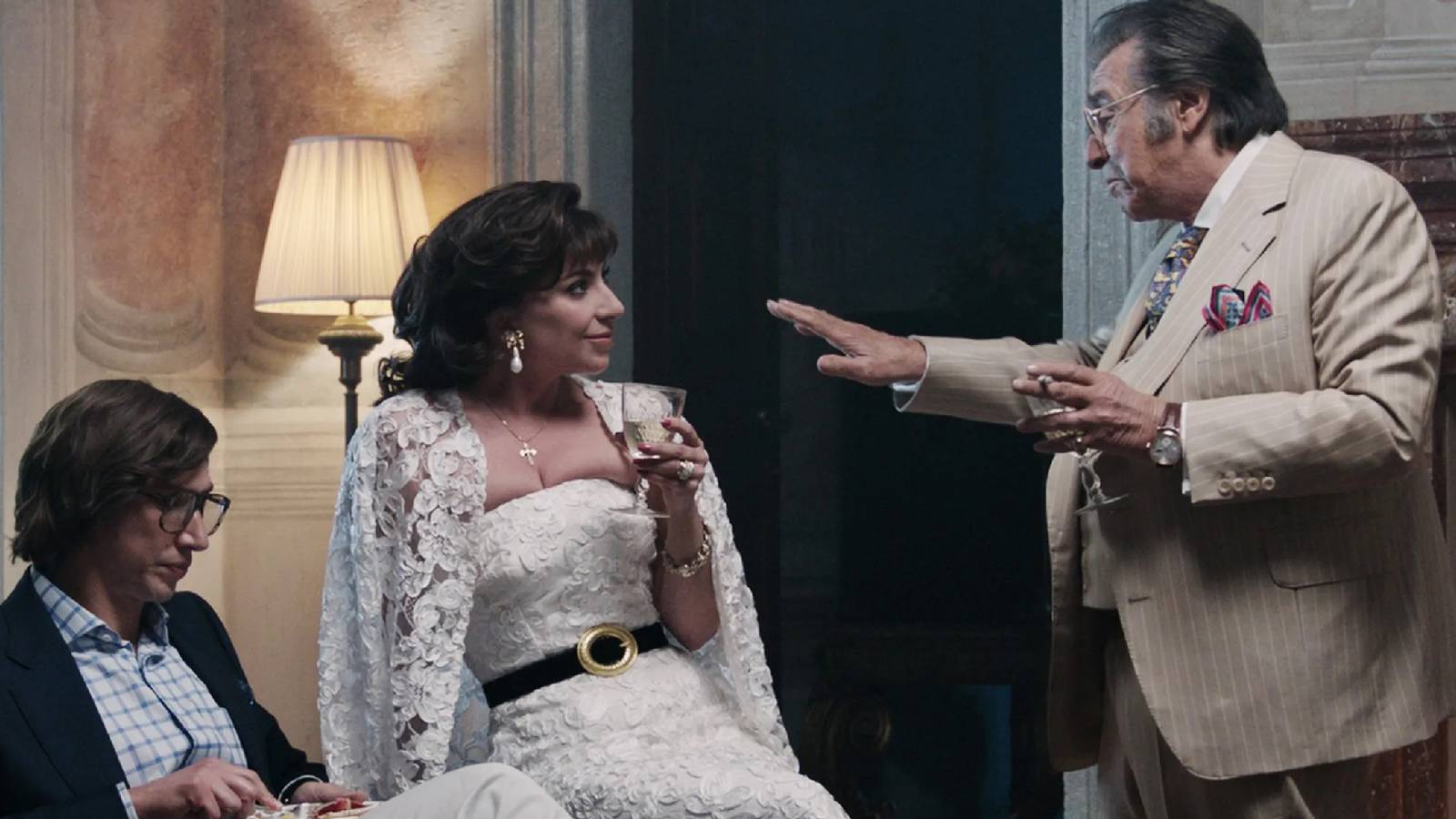
At the heart of the film is Patrizia Reggiani, played with fierce melodrama by Lady Gaga. She's a woman from humble beginnings who seduces and marries Maurizio Gucci (Adam Driver), the quiet heir to the fashion house. Gaga channels her stage persona—dynamic, glamorous, and unhinged—into a character who is both desperate for luxury and genuinely in love. The screenplay, by Becky Johnson and Roberto Bentivegna, centers Patrizia's perspective, making her rise from a trucking company employee to a fashion power player both guileless and calculating.
Scott's direction excels at illuminating the moral quagmires that lead to the film's bloody conclusion. After Maurizio's father Rodolfo (Jeremy Irons) disowns him for marrying Patrizia, she pushes for reconciliation and forges his signature on legal documents. The film's web of alliances and betrayals cuts across century-old family bonds, with characters like Aldo (Al Pacino) and Paolo (Jared Leto in a scene-stealing fat suit) getting caught in the marital game. The pursuit of material wealth takes precedent, and the old guard's death signals the end of the connections that allowed great fashion houses to flourish.
While House of Gucci was criticized for tonal whiplash and its nearly three-hour runtime, it matches its lurid true-crime sensationalism with a stately mood. The performances lean into the broad and cartoony, but the characters have nuances that keep the epic at a human scale. Even before Patrizia plots Maurizio's assassination—the most famous part of the saga—the movie's affairs, stunted man-children, and deceit make it wildly compelling.
For fans of Ridley Scott's other work, like The Martian, or those who love a good crime thriller, House of Gucci is a hidden gem. It's a reminder that even Scott's lesser-known films are worth revisiting. If you're looking for more underrated thrillers, check out Prime Video's hidden action gems or 6 must-watch action thrillers that defined cinema since 2000.